


Adequate ventilation is essential for pet carriers, ensuring safety and comfort during travel. Mesh openings must cover three to four sides, allowing at least 16% of the surface area for airflow. This design helps prevent heatstroke and reduces stress. Carriers should accommodate pets comfortably, enabling them to stand, turn, and lie down. For breeds prone to respiratory issues, enhanced airflow is critical. Proper ventilation matters greatly; understanding these requirements leads to safer journeys for pets.
Key Takeaways
- Mesh ventilation must cover three to four sides of the carrier, ensuring at least 16% air circulation surface area.
- Carriers should allow pets to stand, turn, and lie down comfortably to facilitate good airflow and ease stress.
- Utilize durable materials like reinforced mesh to enhance airflow while providing comfort and minimizing stress during travel.
- Conduct pre-travel checks for ventilation effectiveness and ensure compliance with airline regulations to prioritize pet safety.
- Consider the specific ventilation needs of different breeds to optimize comfort and prevent respiratory issues during transport.
Importance of Adequate Ventilation
Adequate ventilation in pet carriers is essential for ensuring the safety and comfort of traveling pets. Without proper airflow, internal temperatures can skyrocket, risking heatstroke in confined spaces. Ventilation reduces stress, preventing anxiety and discomfort in pets. Well-ventilated carriers facilitate breathable air, which is vital during airline travel. Airlines mandate mesh ventilation on three to four sides, covering 16% of the carrier’s surface. Multiple mesh windows or panels improve visibility and airflow, creating a more pleasant environment for pets during travel. Prioritizing ventilation impacts not only travel experience but also pets’ overall well-being. When selecting a pet carrier, consider these ventilation requirements carefully. After all, a happy pet makes for a smoother journey!
IATA Guidelines for Ventilation

Understanding the importance of proper ventilation in pet carriers is essential for safe air travel. The International Air Transport Association (IATA) outlines key guidelines. A pet carrier must feature mesh ventilation on at least three or four sides. At least 16% of the total surface area must consist of ventilation openings. This guarantees adequate ventilation and allows for comfortable air circulation. IATA compliance also means that the carrier must provide enough room for pets to stand, turn, and lie down comfortably. Carrier dimensions are typically designed to fit under the seat in front during flights. With proper mesh ventilation, pets can breathe easily, reducing stress and preventing heat-related issues. Remember, a well-ventilated carrier is a happy carrier! Ensure all documentation is ready before traveling to avoid any issues with airline compliance.
Key Features of Well-Ventilated Carriers

Well-ventilated pet carriers consistently offer essential features that provide pets remain comfortable during travel. These features guarantee adequate airflow, vital for pet well-being.
Key Features Include:
- Mesh Panels: Carriers should have mesh panels on at least three to four sides, allowing a minimum of 16% surface area for airflow, adhering to IATA guidelines.
- Breathability: The design must enable pets to breathe freely, reducing stress in confined spaces while promoting ease of breathing.
- Durable Materials: Reinforced mesh and quality stitching enhance ventilation effectiveness, increasing the carrier’s longevity and comfort.
- Multiple mesh panels contribute to optimal ventilation and ensure pets remain calm through proper air circulation during transit, minimizing overheating on long trips.
Recommended Products

A solid plastic base with a cushioned floor and walls helps pets feel safe and relaxed during your rides - Extra plush dog bed accessory is also available (sold separately)

2-in-1 bike trailer and stroller with included 1-Wheel Stroller Kit and adjustable handlebar

Customized installation: Van Safety Partition Bulkhead Fit 2015-2024 Ford Transit 150 250 350 Mid-Roof Full Size Van,with Door Lock & Acrylic Panel & Removable handle.Easy installation with all necessary hardware included.
Mesh Ventilation Requirements

When selecting a pet carrier, proper mesh ventilation serves as a cornerstone for guaranteeing pet comfort and safety. Adequate airflow is essential, as recommended by the International Air Transport Association (IATA), which states that mesh ventilation should cover three to four sides of the carrier. This design promotes air circulation that accounts for at least 16% of the carrier’s total surface area. Additionally, the right carrier size is fundamental. A well-ventilated carrier reduces the risk of overheating and stress during travel. Choosing materials like reinforced double-weave polyester mesh enhances durability while maintaining airflow. This guarantees that pets remain comfortable and safe, particularly on long journeys. Many carriers include removable, washable mats or soft pet beds, contributing to overall comfort and accommodating pet preferences. Remember, happy pets make for much more pleasant travels!
Recommended Products

Durable and Secure Design: Heavy-duty plastic and robust metal doors with grids ensure safety and durability during travel. Non-corrodible fastener nuts and bolts and interlocking wire steel doors provide an added layer of protection. The escape-proof design ensures your pet's safety throughout the journey.

Editors' Choice Award Winner of 2020 Dogster & Catster Magazines ★ 3-IN-1 TRAVEL SYSTEM ★ Versatile, luxurious pet stroller has a detachable carrier and also works as a car seat for maximum convenience. Easy fold/unfold operation lets you take it wherever you go. (Pet Carrier is not for AIRLINE IN-CABIN Travel)

Ultimate Capacity for Large Breeds: Designed specifically for large dogs up to 79.2 lbs (36 kg). The DEEMEED motorcycle dog bag Capsule XL is the most spacious carrier on the market, ensuring your large companion travels in total comfort without feeling cramped.
Effects of Poor Ventilation on Pets

Inadequate ventilation can be a serious issue for pets traveling in carriers. Without proper airflow, pets are at a higher risk of heatstroke, particularly in temperatures exceeding 80°F.
- Elevated stress levels can occur due to enclosed spaces with limited ventilation.
- This discomfort may result in increased heart rates and even respiratory problems.
Additionally, a lack of ventilation can cause a buildup of carbon dioxide, leading to oxygen deprivation during longer journeys. It is crucial to ensure carriers have breathable mesh panels to facilitate adequate airflow and enhance the safety and comfort of pets during travel. The IATA guidelines recommend that the ventilated area of pet carriers be at least 16% of the total surface area to guarantee sufficient airflow. Guaranteeing proper ventilation is essential for the health and comfort of pets during transit, helping to prevent potentially life-threatening situations.
Common Ventilation Mistakes to Avoid
Many pet owners unknowingly overlook common ventilation mistakes that can have serious repercussions during travel. Ensuring proper airflow is essential. Here are key mistakes to avoid:
- Inadequate Ventilation Areas: Failing to provide mesh openings on three to four sides can lead to heatstroke and discomfort. Aim for at least 16% of the carrier’s surface area to be ventilated for compliance and safety.
- Ignoring Air Circulation: Not considering temperature can cause pets to experience stress and health issues.
- Using Weak Materials: Thin mesh panels that collapse under pressure limit airflow, compromising comfort.
- Neglecting Pre-Travel Checks: Not verifying ventilation can create stifling conditions, impacting your pet’s overall travel experience. Protect your furry friend by addressing these common errors.
- Overlooking Airline Approval: Choosing a pet carrier that does not comply with airline regulations can lead to travel complications and potential safety hazards for your pet.
Testing Ventilation Effectiveness
Testing the effectiveness of ventilation in pet carriers is an essential step for ensuring a safe and comfortable travel experience. To evaluate ventilation, a 60-second airflow test can be conducted using an anemometer and a sealed carrier filled with 5 lbs of rice, simulating pet weight.
Recommended Products

Effortless Strolls: Engineered with foam-filled rubber tires and bearings in all four wheels, the Wadabuggy Pet Cart ensures a smooth ride, providing maximum comfort for your pet on any terrain.

WALK-IN STYLE CAT CAGE Outdoor cat enclosure with 64" tall that you can walk into the cat house to observe and interact with the kitty, and it is also convenient for you to clean and feed to enhance your relationship with the cat
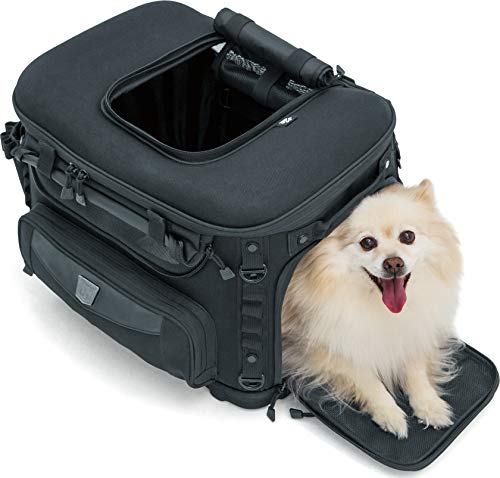
Internal frame with rigid structural support offers peace of mind knowing your pet is protected; UV-rated weather-resistant 1200 denier textile material with removable rain cover
Key Testing Points:
- Ensure Adequate Airflow: Measure airflow drop during the test with the anemometer.
- Materials Matter: Look for double-weave polyester mesh and reinforced stitching.
- Indicators of Quality: Features like bar-tacks and reverse-coil zippers can indicate a carrier’s ability to maintain airflow.
- For hiking enthusiasts, lightweight design is crucial for easy transport and ensuring comfort during long journeys, as seen in top-rated carriers like the Osprey Poco SLT.
Identifying High-Quality Materials
Choosing the right materials for pet carriers is essential for ensuring safety and comfort. High-quality materials, such as rigid plastic, metal, or wood with a metal grated end, provide necessary durability and prevent escape. Effective ventilation is paramount; hence, double-weave polyester mesh offers superior airflow, promoting temperature control and reducing overheating risks. Key features to reflect on include:
- Reinforced elements: Look for bar-tacks and reverse-coil zippers that enhance durability against thermal stress.
- Breathability: Materials must combine temperature control with effective airflow to prevent moisture buildup.
Thinner mesh (under 0.5mm) can impair airflow and should be avoided. Selecting robust materials not only supports safety but also enriches your pet’s travel experience markedly. To enhance your pet’s comfort during travel, consider carriers with cozy sherpa bedding which adds an extra layer of warmth and softness.
Recommended Products

Travel Carrier: Built-in straps that allow safe connection to a seatbelt; Easy to set up and fold flat in seconds; Pad cover is removable and washable

OPENINGS AND CLOSURES - Features a velcro-secured top mesh opening for better ventilation, a top opening for stress-free entry/exit, and snag-free hook & loop closures that won’t catch on or collect pet hair

🐶【2-IN-1 DESIGN】Wakytu Outdoor Pet Carrier can be used as a large pet cage for medium dogs or split use as 2 pet carriers for 2 pets. Combined Size: 35.43" * 16.92" * 13.77"; Split Size: 17.32" * 16.92" * 13.77" * 2 PCS.
Seasonal Ventilation Challenges
Seasonal temperature extremes present unique challenges for pet carriers, directly impacting their ventilation effectiveness. In high heat, mesh panels may collapse, reducing airflow by up to 62%. This diminished ventilation can pose serious safety risks, leading to heat-related health issues like heatstroke in pets confined inside. Cold weather also presents risks. Carriers can suffer structural failures at temperatures below -10°F, resulting in cracks that allow frigid air to infiltrate, endangering pet safety. To ensure pet safety, it’s crucial to choose carriers with breathable mesh panels that provide adequate airflow regardless of weather conditions. To mitigate these challenges, pet carriers should adhere to IATA guidelines, ensuring that at least 16% of their surface area remains ventilated. Incorporating features such as double-weave polyester meshes and reinforced stitching can enhance airflow performance across fluctuating temperatures. Consequently, maintaining adequate ventilation is essential for pet safety year-round.
Ventilation and Comfort for Specific Breeds
When considering ventilation for specific dog and cat breeds, understanding their unique anatomical and physiological needs is fundamental. For brachycephalic breeds like Bulldogs, enhanced ventilation is vital to prevent respiratory distress. Their carriers should meet IATA requirements, providing at least 16% of the total surface for airflow. Long-haired breeds, such as Persians, benefit from carriers with multiple mesh panels to promote airflow and reduce overheating. Key considerations include: Adequate ventilation on all sides to manage temperature fluctuations. Monitoring internal temperature for comfort during travel. Selecting larger carriers for breeds sensitive to respiratory issues. Mesh panels enhance visibility and cooling, contributing to the overall comfort of pets during travel. These steps guarantee that pet carriers provide appropriate ventilation, promoting the overall well-being and comfort of specific breeds.
Ensuring Ventilation During Travel
Guaranteeing adequate ventilation during travel can feel overwhelming, especially for pet owners new to transporting their furry friends. Effective airflow is critical in pet carriers to enhance comfort and prevent health complications.
- Carriers should have mesh openings on at least three to four sides.
- The ventilated area must account for at least 16% of the total surface to comply with IATA regulations.
During air travel, pets need enough room to stand, turn, and lie down comfortably. Proper ventilation is vital to meet these needs effectively.
For vehicle travel, choosing a hard-sided carrier with strategically placed ventilation holes guarantees proper airflow and minimizes the risk of overheating. Ultimately, pet owners must prioritize ventilation to guarantee a safe and comfortable journey.
Choosing the Right Carrier for Ventilation
Choosing the right pet carrier for ideal ventilation is crucial for guaranteeing a comfortable travel experience. Selecting a carrier with mesh ventilation on three to four sides promotes adequate airflow, which is necessary for pets’ well-being.
Key considerations include:
- Ventilation Area: The mesh area should be at least 16% of the total surface area to meet IATA guidelines.
- Airflow Dynamics: Proper airflow keeps internal temperatures stable and helps prevent heatstroke.
- Material Quality: Verify the mesh maintains tension without sagging under heat to optimize ventilation performance.
Recommended Products
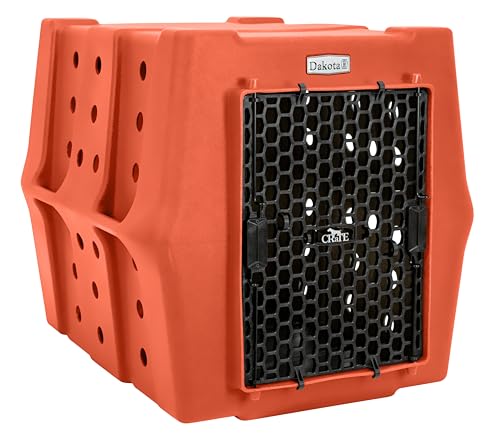
Heavy-duty, rugged construction from military-grade polyethylene

Frequently Asked Questions
What Are the Requirements for an Airline-Approved Pet Carrier?
Airline-approved pet carriers must include size specifications ensuring comfort, adhere to airline safety regulations, and feature rigid materials for security. Adequate ventilation promotes pet health considerations while providing comfortable travel solutions for pets during flights.
What Is the IATA Requirement 82?
IATA Requirement 82 outlines ventilation types and carrier size to ascertain animal welfare and travel safety. Compliance mandates at least 16% surface area for openings, guaranteeing adequate airflow for safe pet transportation across various travel conditions.
How Much Ventilation Does a Dog Crate Need?
Dog crates demand diligent design, with diverse crate ventilation types ensuring proper airflow principles. Choosing the right crate, constructed from suitable dog crate materials, enhances safe travel tips, facilitating comfort and safety for pets during transit.
What Does TSA Require for Pets?
The TSA requires pet travel carriers to meet airline regulations ensuring safety standards, adequate ventilation, and pet comfort. Important travel tips include securing pets in approved carriers and keeping them clean and hazard-free during journeys.


