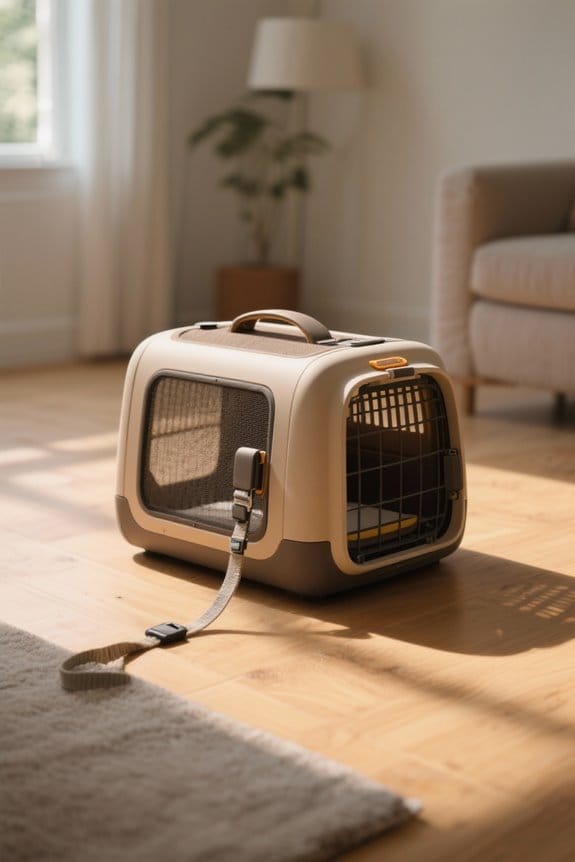
When identifying allergens in common pet bed fabrics, it’s important to know which materials can harbor irritants. Synthetic fabrics like nylon and polyester often trap dust mites and chemicals. In contrast, natural options like 100% cotton and hemp are hypoallergenic and resist allergens. Faux fur collects dander, increasing allergy risks. Memory foam is comfortable but needs regular cleaning. Understanding these materials helps in managing pet allergies effectively. Stay with us to discover more about maintaining a pet-friendly environment.
Key Takeaways
- Synthetic fabrics like nylon and polyester can trap allergens and contain allergenic chemicals, worsening allergy symptoms in pets.
- Natural materials, such as 100% cotton and hemp, are hypoallergenic and less likely to harbor dust mites and allergens.
- Faux fur and suede fabrics tend to collect dander and dust, increasing the risk of allergic reactions in pets.
- Regular washing of pet bedding in hot water helps remove accumulated allergens and enhances overall cleanliness.
- Opting for OEKO-TEX certified fabrics ensures that pet bedding is free from harmful substances and allergens, promoting a healthier environment.
Understanding Pet Allergies and Their Triggers
What causes allergies in pets? Pets often experience allergic reactions triggered by common allergens like house dust mites, mold, and pollen. These allergens can hide in pet’s bedding, particularly in non-hypoallergenic materials, leading to issues such as itchy skin and excessive scratching.
House dust mites thrive in pet beds, feeding on dander and dead skin cells, which can exacerbate a pet’s allergy. Additionally, synthetic fabric dog beds frequently harbor allergens, resulting in skin irritation or dermatitis.
To minimize allergic reactions, pet owners should consider hypoallergenic beds made from materials like 100% cotton or tightly woven microfiber. Regular washing of pet’s bedding is essential to reduce allergen exposure and keep pets comfortable. After all, a happy pet is a healthy pet.
Common Fabrics Used in Pet Beds

When selecting a pet bed, fabric choice plays an important role in both comfort and health. Common fabrics include:
- Synthetic materials like nylon and polyester, known for durability but capable of harboring allergens and causing skin irritation.
- Hypoallergenic options such as 100% cotton and hemp, which help minimize allergic reactions by resisting dust mites and other irritants.
- Faux fur and suede, often chosen for softness, can collect dander and dust, increasing allergy risk.
Memory foam beds provide excellent support but require regular cleaning to prevent allergen buildup. Some synthetic fabrics may contain chemical treatments that lead to sensitivities, making material selection crucial for pets prone to allergies. A thoughtful approach guarantees both comfort and safety for furry companions. Consider pet beds with OEKO-TEX or CertiPUR-US certifications, which ensure the use of non-toxic materials, enhancing pet safety.

Addressing Joint Pain Through Bed Selection
Recommended Products

Cloud-Like Comfort: Sink into luxury with our cloud-style cushions, filled with plush cotton and high-density foam for a soft yet supportive seating experience. Whether you’re relaxing after a long day or enjoying family time, the deep seats and overstuffed back pillows create a cloud-like feel that wraps you in comfort from head to toe

CLOUD-SOFT SMARTFOAM COMFORT: 100% Premium Ultrasoft SmartFoam creates a pillowy, sink-in feel with supportive hold that keeps its shape—perfect for everyday lounging and long movie nights.

Spacious & Comfortable Seating: This oversized couch features 11.8'' upholstered 2-layer seat cushions with high-resiliency foam,thick removable armrests, and a 26.5" deep seat, which provides a cloudy seating experience
The Problem With Synthetic Materials


Antimicrobial Treatments in Modern Pet Fabrics
Synthetic materials present a range of challenges for pet owners seeking the best possible sleeping environment for their furry friends. Common options like nylon and vinyl often contain allergenic chemicals that can irritate pets with sensitive skin. These fabrics can trap pet dander and dust mites, leading to allergic reactions such as itchy skin. Additionally, while synthetic fillings resist mold, they can still harbor allergens if not cleaned regularly. Some pets may even develop sensitivities to specific dyes or finishes in these materials, compounding skin issues. Choosing natural materials, like 100% cotton or hemp, is a healthier alternative that can help minimize allergic reactions, providing a more comfortable bed for pets. When selecting pet carriers, it’s important to consider durable, scratch-proof materials like polyester and oxford fabric to ensure both longevity and safety for pets during travel.
Recommended Products

COVER & FILLING: The Cover Fabric of this Summer Silk Duvet - Premium Quality Silk, Ultra Soft and Smooth; Filling- 100% Real and Soft Top Grade Long Strand Silk Floss

WATERPROOF & EASY TO CLEAN: Mielmoon Vinyl is a synthetic material that is naturally waterproof, making it ideal for use in mattresses. This means that spills or accidents can be easily wiped away without soaking into the mattress and potentially causing damage or staining.

【365-Night Trial RV Mattress & Risk-Free Comfort】Life on the road can be unpredictable, but choosing your bed mattress shouldn't feel uncertain. Try the Grbsy short queen mattress (60" x 75") for a full year across weekend getaways, national park visits, campground stays, and family vacations. Backed by a 10-year warranty and 24/7 customer care, this hybrid mattress helps you buy with confidence from day one. No rush, no stress—just find the right fit for your RV lifestyle and enjoy every journey with complete peace of mind
Benefits of Cotton and Hypoallergenic Fabrics

Cotton and hypoallergenic fabrics offer several advantages that make them ideal choices for pet beds, especially for pets prone to allergies. Cotton is naturally hypoallergenic, reducing the risk of allergic reactions. Hypoallergenic dog beds often feature tightly woven covers that prevent allergens from penetrating. These fabrics are breathable and moisture-wicking, curbing humidity that can lead to mold growth. Additionally, many hypoallergenic options resist chemical treatments, which can irritate sensitive skin. Regular washing in hot water is also beneficial. This process effectively removes allergens, making for a healthier sleeping environment. To sum up, opting for cotton and hypoallergenic fabrics can greatly enhance comfort for allergy-prone pets, ensuring they enjoy their sleep without undesirable irritants. Many cotton dog beds are OEKO-TEX certified, ensuring they are free from harmful substances and safe for pets.
Recommended Products
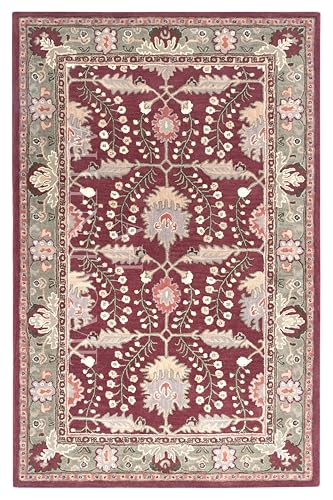
RUGS OF QUALITY: Allen Home Wool Area Rug is crafted with utmost care and precision. The Handcrafted Wool Rugs are made from 100% Wool Pile and are Yarn-dyed and washed which provides you with a layer of exceptional softness and immaculate quality. In addition, the back of the rugs is made from 100% Cotton with Natural Latex/Latex adhesive backing helping your rugs maintain their shape and also giving off a vibrant, lasting color to your area rugs.

Content: 100% GOTS Certified Raw Cotton Fiber

Premium 100% Cotton Matelassé: Made from high-quality 100% cotton with a richly textured matelassé weave that delivers a soft, quilted look and an elevated hand feel without heavy weight.
The Impact of Dust Mites on Pet Health

Dust mites, microscopic creatures that thrive in household environments, notably impact pet health, especially in the context of pet beds. These pests enjoy warm, humid conditions and feed on dead skin cells, dander, and hair. Unfortunately, they can trigger allergic reactions in pets, resulting in skin allergies that manifest as itchy or inflamed skin.
- Common allergy symptoms include:
- Redness and irritation
- Dermatitis
To help pets, regular cleaning and bed replacement can notably reduce exposure to dust mites. While complete eradication is impossible, consistent preventive measures can alleviate allergy symptoms, enhancing overall pet health. A machine-washable cover is recommended as it simplifies cleaning and helps reduce allergens. Taking these steps could mean the difference between a content pet and one constantly scratching, leaving many owners wondering who’s really in charge!
Choosing the Right Dog Bed for Allergy Management
Selecting the right dog bed is a pivotal decision for pet owners, especially those concerned about allergies. Hypoallergenic dog beds made from natural materials, such as 100% cotton or tightly woven microfiber, can notably reduce allergens. These materials are less likely to harbor dust mites, a common trigger for allergic reactions.
Consider these features when choosing a dog bed:
- Removable, machine-washable covers: Regular cleaning minimizes dust mite populations and protects your dog’s skin.
- Denser foam fillings: Memory foam discourages dust mites by providing less surface area for them to thrive.
- Impermeable covers: These prevent allergens from penetrating the bed, limiting your pet’s exposure to irritants.
- Waterproof materials prevent damage from accidents, ensuring longevity and ease of maintenance.
Recommended Products

Waterproof Liner: The bed has a waterproof liner for easy cleaning and protection from spills or accidents.

PRESSURE RELIEF: Experience a health-enhancing slumber. By alleviating pressure on sensitive body areas, the topper ensures a tranquil sleep environment. Bid farewell to discomfort and welcome restful nights.

Removable & Machine-Washable Cover OEKO-TEX Certified Fabric Premium Quality Zippers & Hardware Hypoallergenic Filling Orthopedic Support Durable Upholstery-Grade Materials
Best Practices for Maintaining a Clean Pet Environment
To maintain a clean pet environment, owners must prioritize regular cleaning practices that effectively reduce allergens. Following these best practices can create a healthier space for pets and their humans.
- Regularly Wash Pet Bedding: Clean pet beds in hot water (at least 130°F) to eliminate dust mites and allergens.
- Vacuum Weekly: Use a HEPA filter vacuum to reduce your dog’s exposure to dust mites and dander in carpets and upholstery.
- Use Hypoallergenic Cleaning Products: Choosing the right cleaning agents minimizes the risk of irritants that can trigger allergic reactions.
- Designate Play Areas: Hard surfaces are easier to clean, limiting allergen accumulation.
- For a cleaner and more comfortable environment, consider pet beds with waterproof liners that protect against spills and accidents, extending the bed’s lifespan.
Implementing these weekly pet health tips fosters a cleaner environment for pets while supporting their overall well-being.
Recommended Products

Durable Ripstop Ballistic Cover: The heavy-duty cover will withstand scratching, digging, and occasional mouthing. Great for dogs that like to get a little rough with their beds!

Dri-Tec Moisture-Wicking Fabric: Advanced performance fabric pulls moisture away from the body and disperses it for faster evaporation, helping keep your sleep surface cool and dry

Premium Orthopedic Support: One-piece CertiPUR-US memory foam provides therapeutic pressure relief for joints, hips, and spine. Ideal for senior dogs and IVDD-prone xl & xxl breeds that need arthritis pain relief. The plush, fluffy bolster, filled with a blend of feather silk cotton and PP cotton, gently cushions the neck and head without sagging.
When to Consult a Veterinarian for Allergy Issues
Recognizing when to consult a veterinarian for allergy issues in pets is crucial for their health and well-being. If a pet displays persistent symptoms such as excessive scratching, hair loss, or inflamed skin, veterinary guidance is necessary. Document Symptoms: Keeping track of these symptoms, including their timing and severity, can help the veterinarian identify potential allergens. Allergy Testing: A vet may suggest allergy testing to detect specific environmental triggers, including materials in pet bedding. Many hypoallergenic beds utilize CertiPUR-US foam to ensure safety from harmful chemicals. Consult a veterinarian if symptoms worsen or remain unchanged despite basic care. Early intervention can prevent complications, like secondary infections, from itchy skin. Remember, it’s always better to address allergy concerns sooner rather than later to guarantee the pet’s comfort and overall health.
Frequently Asked Questions
What Are the Most Common Fabric Allergies?
Common fabric allergies in pets often include reactions to synthetic materials, wool, and treated fabrics. Symptoms include itching and inflammation. Hypoallergenic options like cotton and tightly woven microfiber help manage pet allergies and prevent irritations.
What Fabrics Can Dogs Be Allergic To?
Dogs may experience allergies from synthetic fabrics such as nylon and vinyl, leading to skin reactions and pet dermatitis. Choosing hypoallergenic materials like cotton or hemp enhances pet comfort and mitigates environmental factors contributing to allergies.
Can Dog Beds Cause Allergies?
Dog beds can cause allergies due to certain materials that harbor allergens, but hypoallergenic options exist. Pet owners report allergy symptoms like skin irritation, and regular washing with effective fabric treatments aids in dust mite prevention.
What Are Allergens in Bedding?
Allergens in bedding often coincide with common household irritants, including pet dander, dust mites, and pollen exposure. Opting for hypoallergenic materials, fabric treatments, and diligent cleaning practices can greatly enhance allergen reduction for sensitive individuals.