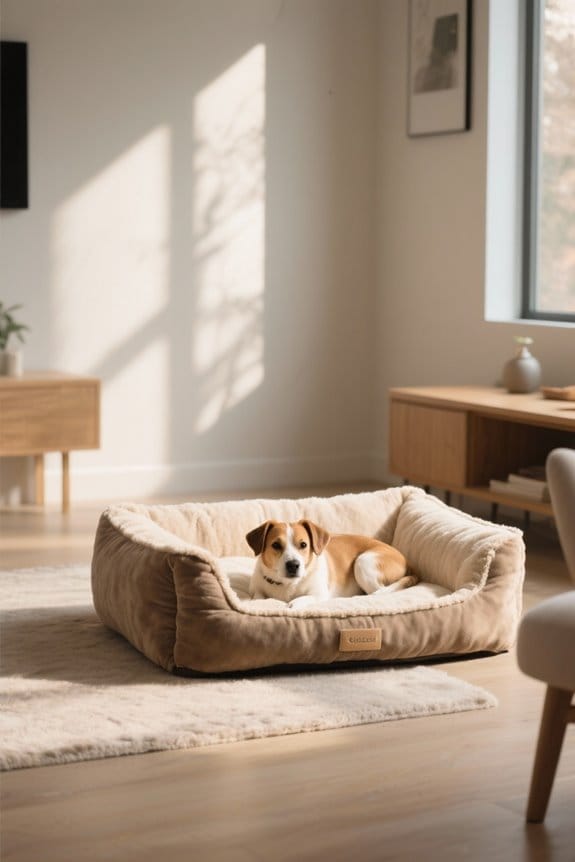
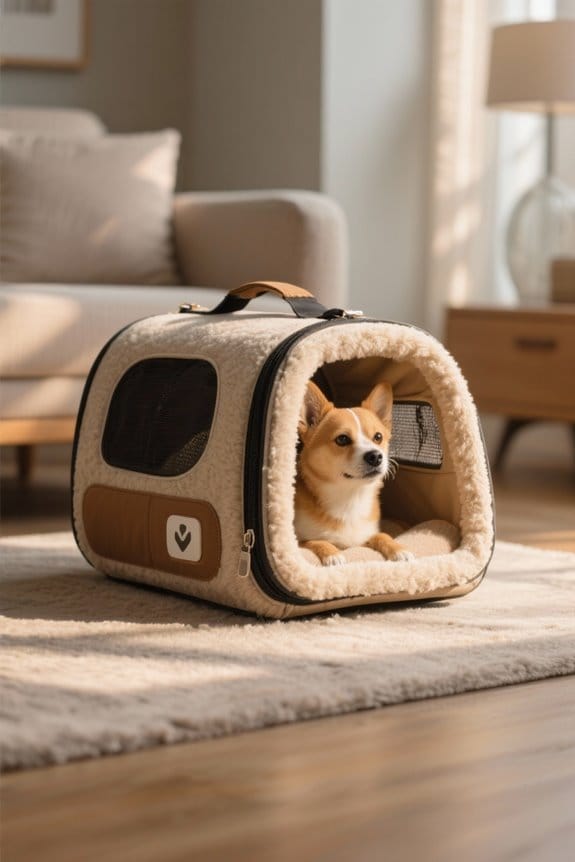
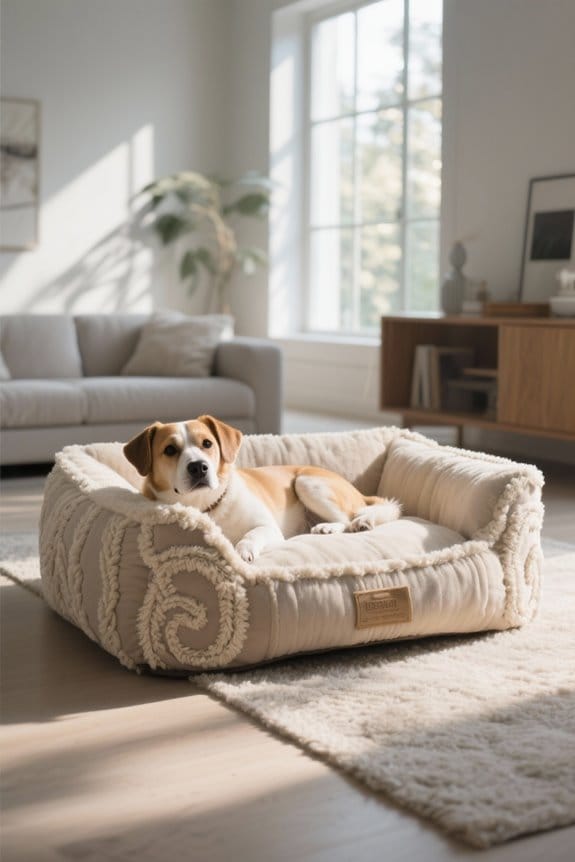
Introducing an anxious pet to a new carrier requires a gradual and thoughtful approach. First, place the carrier in a familiar location. Allow the pet to explore it with treats and toys. Next, gradually increase time spent inside. Monitor stress signals like pacing or excessive vocalization during this process. Use familiar bedding for comfort. If anxiety persists, consider consulting professionals for tailored strategies. There are more insights and techniques available to make this change smoother.
Key Takeaways
- Introduce the carrier in a calm environment, allowing your pet to explore it at their own pace without pressure.
- Use familiar bedding, toys, and treats inside the carrier to create positive associations and enhance comfort.
- Gradually increase the time your pet spends in the carrier, rewarding calm behavior with treats or praise.
- Practice closing the carrier door briefly while nearby, reinforcing a sense of security and calmness.
- Ensure the carrier is the right size and well-ventilated to promote comfort during exploration and travel.
Understanding Your Pet’s Anxiety
Anxiety in pets can be a perplexing puzzle for many pet owners. Many pets display signs of anxiety, such as excessive vocalization, pacing, and drooling, particularly when confronted with carriers. Recognizing these signs is vital for alleviating stress. Common symptoms include refusal to enter the carrier and attempts to escape. To help pets become comfortable, gradual acclimation is essential. Positive reinforcement techniques, like offering treats or toys, can create a more inviting association with the carrier. Loft beds with integrated storage solutions can also offer a quiet and organized space, which might help reduce anxiety in a pet’s environment. Tailoring training strategies to fit a pet’s unique anxiety triggers allows owners to improve their comfort and reduce overall stress. Understanding these dynamics offers a pathway for owners to transform a carrier from a source of anxiety into a safe haven for their pets.
Preparing the Carrier for Exploration
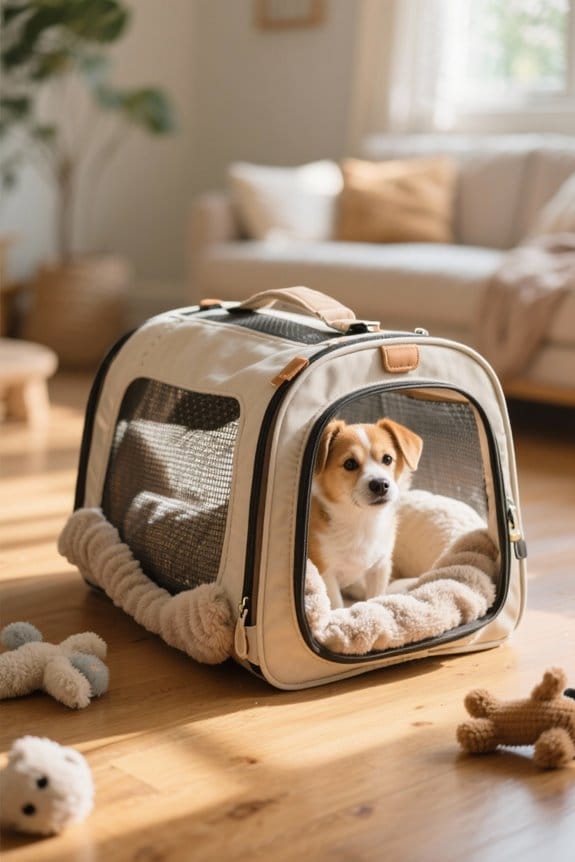
Preparing the carrier for exploration can greatly ease a pet’s anxiety about traveling. Start by introducing the carrier in a calm environment, allowing your pet to explore at their own pace.
- Familiar Items: Place a favorite blanket or toy inside the carrier to create comfort.
- Rewards: Use treats or food-filled toys, reinforcing a positive experience when your pet enters.
Encourage exploration by regularly engaging in short sessions. Gradually practice closing the carrier door with your pet inside, initially for brief periods and then increasing the duration. This will help your pet adjust to their new space without feeling pressured. Observing your pet’s comfort level throughout this process is essential for building a positive relationship with the carrier. Using breathable mesh for air circulation ensures your pet stays comfortable during travel, reducing potential anxiety.
Recommended Products

Durable and Secure Design: Heavy-duty plastic and robust metal doors with grids ensure safety and durability during travel. Non-corrodible fastener nuts and bolts and interlocking wire steel doors provide an added layer of protection. The escape-proof design ensures your pet's safety throughout the journey.

As an affiliate, we earn on qualifying purchases.

TAKE YOUR PET ANYWHERE - Always make sure your pet is comfy with the Hercules 2.0 Pet Stroller for cats, medium dogs and large dogs from ibiyaya! This dog stroller is heavy-duty and ergonomic, so it is ideal for children and elderly users. This 2-in-1 jogger and trailer even lets you bike with pets with a specially designed tow bar (not included)!

1.Instant One-Second Folding Auto-fold technology with one-hand operation. Stands upright and compact—easy to store and transport.
Creating Positive Associations

Creating positive associations with a carrier is essential for reducing stress during travel. Implementing strategies that nurture comfort and security can greatly enhance the experience.
- Explore the Carrier: Place the carrier in a familiar area of the home, allowing pets to explore at their own pace.
- Positive Reinforcement: Use treats or toys to reward interactions, making each encounter enjoyable.
- Feeding Inside: Gradually acclimate pets by offering meals or snacks inside the carrier, reinforcing the sense of safety.
- Familiar Scents: Add a favorite blanket or toy to introduce comforting smells.
- Well-ventilated carriers enhance comfort during travel by ensuring proper airflow, which can also help reduce anxiety for your pet.
Recommended Products


Perfect for Large Pets: Sized at 35" L x 21" W x 27" H, this hard sided dog crate provides a secure space for large dogs up to 50 kilograms or roomy comfort for medium dogs and cats

SPACIOUS & SUPPORTIVE: Comfortably fits small dogs and cats up to 20–25 lbs and with a maximum back length of 16 inches. Pets can sit or lie down inside for full comfort and support. Measures 14.5" W x 10" D x 18.5" H. Backpack weight is 3.5 lbs.
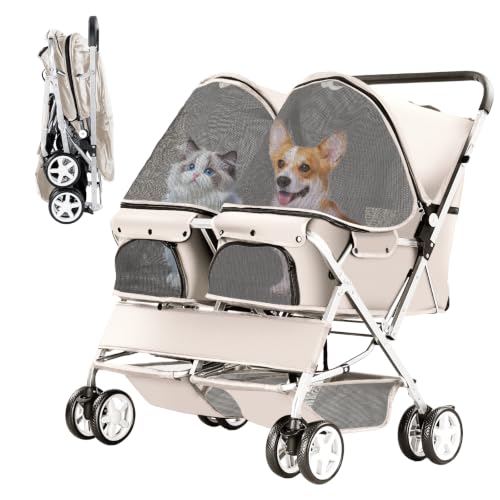
Separate Cabins for Two Pets: The side-by-side design gives each dog or cat an independent enclosed space, helping reduce crowding while keeping both companions together during walks, errands and vet visits.
Gradual Introduction to the Carrier
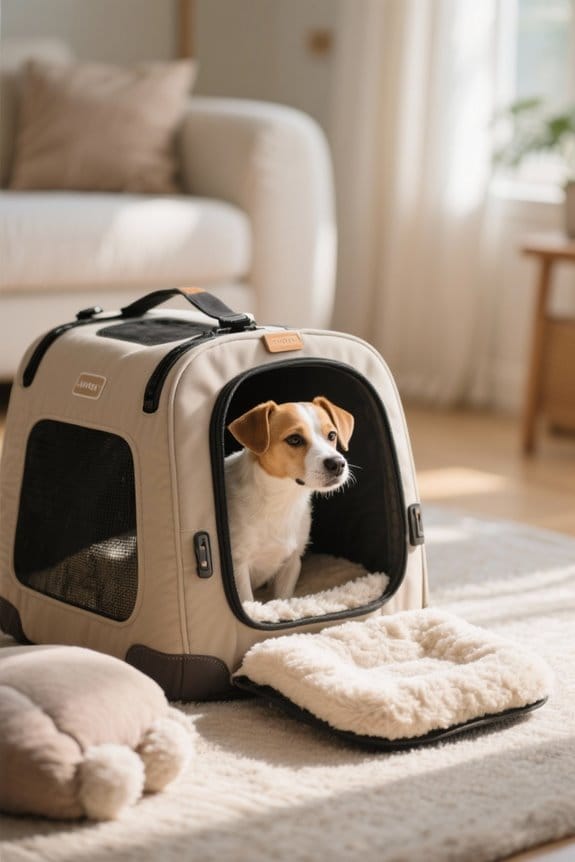
Introducing a pet to a carrier can be a gradual process that helps ease them into this new experience. Start by placing the carrier in a familiar area of the home. This setup reduces initial anxiety about the new space.
- Incorporate familiar bedding, toys, or treats inside the carrier to promote positive associations.
- Gradually increase the time spent inside, rewarding calm responses with treats.
- Begin with short sessions, and extend the duration as they become more comfortable.
Consider practicing closing the door briefly while nearby. This reinforces their calm response and alleviates fear related to confinement. By creating a cozy environment, pets can find security and comfort, making future travels much smoother. It’s important to ensure the carrier matches your pet’s size and weight for maximum comfort and safety during travel.
Recommended Products

Statement-Making Abstract Design: Crafted with a modern, art-inspired pattern that adds dimension, movement, and visual intrigue to any space—perfect for creating a polished, designer-quality look in living rooms, bedrooms, dining areas, and entryways without overpowering existing décor.

Multiple Functions - These pet pads are more than just potty training supplies.These pee pads are great for housebreaking,dogs playpen,cat litter box, dog litter box,provides protection to crates and kennels, pet carriers.They are ideal for protecting carpet,woodfloor,sofa,furniture,car seat and car trunk during travel.Place one under food and water bowls for messy eaters, or use as a puppy whelping or training pad when welcoming your newest family members

[SUBSTANTIAL & ROBUST]: Up to 5x more material by weight than comparable rugs, offering enhanced durability and comfort; The added weight means more material, improving its ability to withstand everyday wear
Practice Trips to Build Comfort
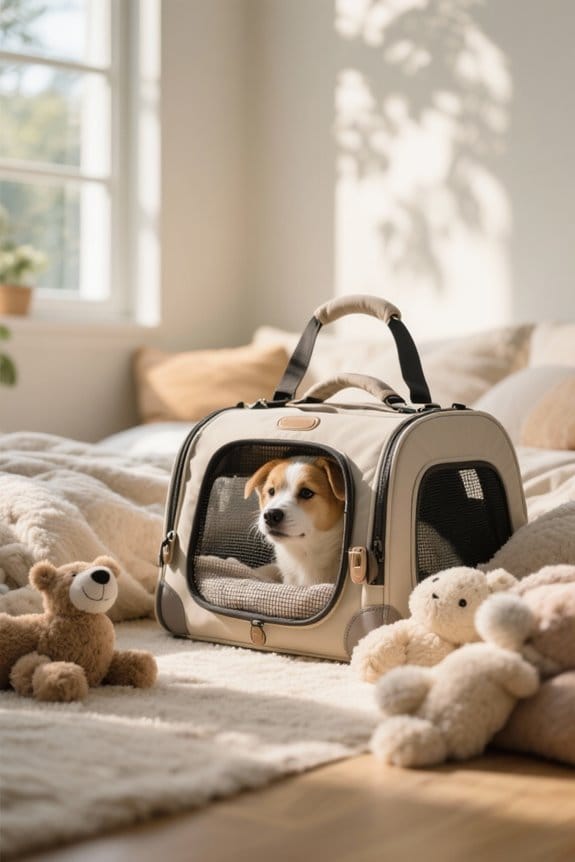
Once a pet feels comfortable with their carrier at home, practice trips become a valuable tool for building familiarity and reducing anxiety. These trips should start short and progressively increase in duration. Familiar Bedding: Include their favorite blanket or toy in the carrier for added comfort. Positive Associations: Reward your pet with treats during these trips to reinforce a sense of safety and enjoyment. Stable Environment: Keep the carrier in a stable location to minimize motion, helping reduce stress and distraction. For durable materials, consider carriers made from tear-proof nylon and Textilene mesh to ensure longevity and protection. Carefully monitor your pet’s reactions, adjusting the approach as necessary to guarantee a positive experience. Each successful practice trip enables the pet to form stronger positive associations, ultimately leading to reduced anxiety on longer journeys.
Recommended Products

COOLING COMFORT FOR WARM DAYS: PupChill Cooling 4-Bolster Dog Bed - Arctic Sand gives dogs a breathable resting place designed for everyday lounging at home or after outdoor play.

[SUBSTANTIAL & ROBUST]: Up to 3x more material by weight than comparable rugs, offering enhanced durability and comfort; The added weight means more material, improving its ability to withstand everyday wear

SAFETY: The My Duque COOPER dog buggy is ideal for very young, older or debilitated pets. Adding quality of life. With the zippered entry and exits, your pet is safe and protected at all times.
Using Familiar Items for Security
To ease an anxious pet’s adjustment into a new carrier, incorporating familiar items can serve as a powerful tool for comfort. These items, such as a favorite blanket or toy, can foster a sense of security during the change. Familiar scents from bedding remind pets of home. Gradual introduction encourages exploration without fear. Positive reinforcement, like treats and praise, enhances their willingness to enter. Using items that carry your pet’s unique scent greatly improves training effectiveness. Hypoallergenic options can also be considered to ensure sensitive pets remain comfortable during travel. These familiar items establish a comfortable environment, making the new carrier feel less intimidating. As dogs and cats engage more with these cherished belongings, their anxiety diminishes, paving the way for a smoother, more relaxed experience in their new travel space.
Monitoring Stress Signals
Monitoring stress signals is vital for guiding pets through the introduction of a new carrier. Understanding your pet’s anxiety helps guarantee they remain comfortable during the acclimation process. Common stress signals include:
- Excessive panting or vocalization can indicate discomfort.
- Flattened ears, tucked tails, or rapid tail wagging often signify anxiety.
- Refusal to enter the carrier or attempts to escape suggest your approach may need adjustment.
Frequent monitoring of eating and drinking habits is also important. Anxious pets may refuse food, displaying behavioral changes. Documenting these observations allows for effective modifications to training methods, reducing overall anxiety. By keeping a close eye on your pet’s reactions, owners can create a more positive carrier experience, leading to happier, more relaxed pets. A crucial aspect of easing your pet’s transition involves selecting durable materials for the carrier, ensuring it withstands any stress-related actions during acclimation.
Adjusting Travel Plans When Necessary
Adjusting travel plans may be necessary when a pet demonstrates anxiety during the introduction of a new carrier. Extending the acclimation period can greatly enhance a pet’s comfort level. Here are key strategies to review:
- Gradual Introduction: Increase the time your pet spends in the carrier gradually, without travel. This non-stressful setting helps reduce anxiety.
- Positive Reinforcement: Use treats and praise during the process to make the carrier a friendly space.
- Consultation: If anxiety persists, consult with your veterinarian. They may suggest travel schedule modifications, including breaks for desensitization or anxiety medications.
- Consideration of Comfort: Just as with selecting the correct bed size for comfort, choosing an appropriately sized carrier can help reduce stress and improve the pet’s travel experience.
Helpful Tools for Travel Anxiety
Travel anxiety can be a significant hurdle for pets and their owners alike, but fortunately, various tools and strategies can alleviate this issue. To help pets feel more comfortable during travel, consider these approaches:
- Familiar Items: Include bedding or toys with your pet’s scent inside the carrier. This familiarity can provide comfort and reduce anxiety.
- Pheromone Products: Use products like Dog Appeasing Pheromone (Adaptil) to create a calming environment around the carrier. These can help soothe an anxious pet.
- Positive Associations: Gradually introduce the carrier by allowing pets to explore it freely. Use treats and praise to build a positive connection.
- Short Practice Stays: Encourage your pet to spend short periods in the carrier while rewarding good behavior, helping them adjust to travel.
- Crash-tested Designs: Consider using a crash-tested soft carrier that ensures safety and security during travel, which can mitigate anxiety for both pets and owners.
Recommended Products

CRASH-TESTED & TUV CERTIFIED SAFETY — The only dog & cat car seat carrier independently tested and approved by TUV, Europe's most rigorous safety authority. Protects small pets up to 33 lbs on every trip — from quick vet visits to long road adventures. Swiss-engineered for maximum protection.

CRASH-TESTED & TUV CERTIFIED SAFETY — The only dog & cat car seat carrier independently crash-tested and approved by TUV, Europe's most rigorous safety authority. Protects small pets up to 33 lbs on every trip. Box Only — pair with our ISOFIX connector (sold separately) or use the built-in seat belt attachment. Swiss-engineered for maximum protection.

CRASH-TESTED & TUV CERTIFIED SAFETY — The only dog & cat car seat carrier independently crash-tested and approved by TUV, Europe's most rigorous safety authority. Protects small pets up to 33 lbs on every trip. Box Only — pair with our ISOFIX connector (sold separately) or use the built-in seat belt attachment. Swiss-engineered for maximum protection.
Seeking Professional Help if Needed
When persistent anxiety towards a carrier affects a pet, seeking professional help can be a beneficial step. Owners may consider consulting their vet first to address potential underlying health issues that could affect pet health. A professional dog trainer or animal behaviorist can provide tailored strategies for gradual acclimatization. Additionally, anxiety workshops offer specialized training sessions to equip owners with effective techniques. These workshops focus on easing anxiety and making travel easier for pets. Engaging a pet psychologist may also help uncover the root causes of anxiety, leading to a more sustainable resolution. Utilizing these services can transform carrier-related stress into a manageable experience, ultimately benefiting both the pet and owner. Furthermore, temperature regulation is crucial for ensuring comfort and promoting restful sleep, which can help reduce anxiety in pets.
Frequently Asked Questions
What Is the 3-3-3 Rule for Dog Anxiety?
The 3-3-3 Rule for dog anxiety outlines adjustment phases, where anxiety triggers may arise. It emphasizes calming techniques, gradual exposure, crate training, and socialization tips as essential behavior modification methods over three days, three weeks, and three months.
What Is the 7 7 7 Rule for Dogs?
The 7-7-7 rule for dogs outlines a three-phase adjustment process: seven days for initial acclimatization, seven weeks for routine establishment, and seven months for full integration, emphasizing positive reinforcement and gradual exposure to reduce stress signs and improve canine communication.
How to Help an Anxious Dog in a Crate?
To help an anxious dog in a crate, utilize crate training techniques with gradual exposure methods. Prepare the crate environment with calming treats and anxiety relief products, reinforcing positive behaviors through consistent positive reinforcement strategies.
How Do I Introduce My Anxious Dog to a New Puppy?
Introducing puppies to an anxious dog requires safe introductions through gradual exposure. Utilize positive reinforcement to encourage calm behavior, while closely monitoring behavioral signs. Schedule supervised interactions, allowing each animal to feel secure and comfortable.