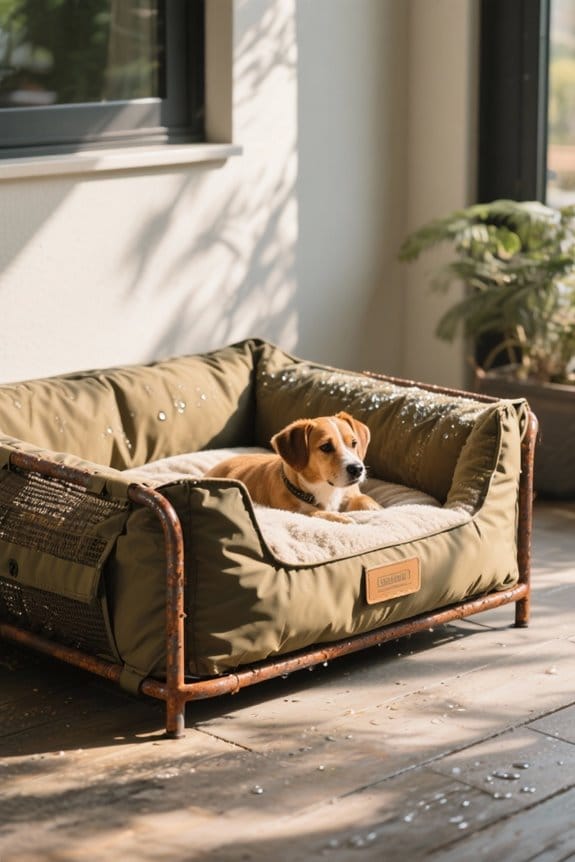
Denier is a measurement unit in textiles, indicating fiber thickness through the weight of 9,000 meters in grams. Higher numbers, like 1000D, indicate thicker, more durable fabrics suitable for tactical gear. These ratings affect overall durability, with common examples including 600D for everyday use and 1680D for extreme conditions. Various factors, such as material type and weave, can also influence performance. Understanding these specifications is key to selecting the right gear for specific needs. More insights on denier applications await.
Key Takeaways
- Denier measures fabric thickness by weight, with higher numbers indicating thicker, more durable materials.
- Tactical gear typically uses 600D to 1000D fabrics for a balance of durability and performance.
- 1000D fabric offers superior abrasion resistance, making it suitable for heavy-duty tactical applications.
- Other factors, such as material type, weave, and coatings, affect the overall durability and functionality of carrier materials.
- Understanding denier ratings helps in selecting the right gear for specific environmental and operational needs.
What Is Denier?
Denier is an essential measurement in the textile industry and plays a significant role in fabric selection. Defined as a unit of measurement, it quantifies the thickness of fabric fibers by indicating the weight of 9,000 meters of the material in grams.
- Higher denier numbers signify thicker and more durable fabrics, suitable for heavy-duty applications.
- Lower denier fabrics are lighter, often used for less demanding purposes.
For example:
- 600D fabric is considered medium weight and durability.
- In contrast, 1000D fabric is classified as heavy-duty.
Understanding denier helps consumers balance fabric strength and intended use, ensuring the right choice for clothing or gear. Therefore, denier serves as a key indicator of a fabric’s performance and longevity. Durable materials like tear-proof nylon are crucial for secure travel carriers to ensure longevity and protection.
Why Denier Matters for Tactical Gear

When selecting tactical gear, understanding fabric characteristics is essential. Denier ratings play a significant role in determining the durability of gear. Higher denier fabrics, like 1000D, offer superior abrasion resistance, making them ideal for high-stress environments. Conversely, fabrics like 600D provide a good balance between affordability and durability, suitable for everyday use. Tactical gear needs to withstand wear and tear, especially during intensive activities. When making informed decisions, one should consider how weight and flexibility vary with denier ratings. Higher denier materials are generally heavier but more durable. Lower denier options allow for better movement but may not withstand rigorous use. Ultimately, the choice of denier affects both performance and budget, underscoring its significance in tactical gear selection. It’s important to note that non-slip bottoms in calming cat beds ensure stability during use, much like how denier ratings ensure the durability of tactical gear.
Recommended Products

❇️ Xtreme Sight Line ~ MADE IN THE U.S.A. - Las Vegas, Nevada

VESATILE DESIGN: The Eberlestock G2 Gunslinger II Pack is a mid-sized tactical pack with a full-width scabbard that accommodates larger cross-sections or bulky optics. Perfect as a laptop or military radio compartment, it fits short-barreled rifles when scabbard is folded up.

INCLUDES ALL SUPPLIES: The full contents of the kit are shown and listed in the pictures to the left
Common Denier Ratings and Their Uses

Understanding the various denier ratings is essential for anyone selecting tactical gear, as each rating boasts unique properties suited to different needs.
- 210D Fabric: Lightweight and used in liners or small backpacks for low-stress settings.
- 420D Material: Balances durability and weight, suitable for everyday bags.
- 600D Fabric: Popular in everyday tactical gear, offering affordability and resilience for outdoor activities.
- 1000D Fabric: Ideal for heavy-duty gear such as vests and backpacks, built to endure high-stress conditions.
- 1680D: The most rigid denier rating, engineered for maximum durability in industrial and professional gear.
In understanding denier, it’s clear that the higher the denier, the more durable the fabric, ensuring users find the right fit for their needs. Additionally, some waterproof dog beds utilize durable materials like 600D oxford fabric to withstand various outdoor conditions, highlighting the importance of material selection for different applications.
Recommended Products

❇️ High-quality 600 Denier PVC Backed Waterproof Polyester Fabric for maximum durability and longevity

SLED (Structural Load Equalizing Deck) System for increased durability and handling in the harshest of conditions

✅ PREMIUM NORTHGYM WEIGHTED VEST – Built with durable 600D Oxford nylon, our adjustable weighted vest is breathable, sweat-resistant, and designed to withstand intense workouts and tactical training. Each vest includes two powder-coated steel plates (5.75 lb, 8.75 lb, 13.5 lb, or 20 lb) to create a total vest weight of 14, 20, 30, or 42.4 lbs. Integrated MOLLE webbing allows for easy attachment of accessories, pouches, and gear.
Beyond Denier: Other Factors to Consider

Choosing the right fabric goes beyond just checking the denier rating. While the denier rating provides useful information about a fabric’s thickness, various other factors come into play for peak performance.
- Material Type: Options like nylon or polyester affect strength and flexibility.
- Weave: Tighter weaves can enhance durability and abrasion resistance. Looser weaves may improve breathability.
- Coatings: Treatments like polyurethane (PU) or PVC considerably increase water resistance, making them ideal for outdoor gear.
- Specific Needs: Consider your intended environment. Tactical fabrics often require additional water resistance for varied conditions.
- Ventilation and Comfort: Fabrics with breathable mesh panels ensure comfort and ventilation for pets during travel, enhancing their overall experience.
How We Use Denier in Our Products

In the world of tactical gear and everyday bags, denier ratings play a crucial role in determining product performance. Various materials are selected based on their denier ratings to provide the right balance of durability and functionality:
- 600D Polyester: Ideal for lightweight bags, balancing affordability with durability for daily use.
- 1000D Cordura: Used in tactical vests, guarantees maximum durability and protection.
- 420D or 600D Nylon: Employed in modular pouches for flexibility and moderate strength.
- 1000D or 1200D Fabrics: Chosen for gun bags, enhancing protection against wear.
- 1680D Nylon: Utilized in holsters and belts for extreme durability in high-stress situations.
Understanding these differences illustrates why denier matters. The weight in grams per 9,000 meters varies, impacting the overall product usability. When selecting a dog bed, consider the durability and functionality of the materials used, as they are crucial for ensuring long-term use and comfort.
Partner With LQARMY for Custom Tactical Gear
Partnering with LQARMY to create custom tactical gear opens up a world of possibilities for performance and durability. LQARMY specializes in tailoring gear using specific denier ratings, providing options like 1000D nylon and 1680D fabrics. These materials are excellent for rugged environments.
- Durability & Strength: High-denier options guarantee strength without added weight.
- Environmental Resilience: Choose features like water-repellent coatings for enhanced functionality.
Clients benefit from LQARMY’s expertise in making informed material choices. This optimization increases portability while maintaining durability. Custom tactical gear is designed to meet unique needs, blending performance with practical features. With LQARMY, every tactical challenge becomes more manageable, proving that gear quality genuinely matters. Additionally, considering the recommended bed dimensions for Pit Bulls, similar precision in measurement and design can enhance the functionality and comfort of custom gear.
Recommended Products

WAIST/FLEX SYSTEM FOR A PERFECT FIT: The Striker XT Gen 3 uses the UF PRO Waist/Flex System – a velcro underbelt, high-stretch side panels, and a 3D lower back pad – delivering a custom-like fit that adapts as your body moves all day. Reinforced belt loops support under-belt carry for law enforcement and military. Stretch panels give full mobility without bulk. Anarchy Outdoors is your authorized UF PRO dealer.

WAIST/FLEX SYSTEM FOR A PERFECT FIT: The Striker XT Gen 3 uses the UF PRO Waist/Flex System – a velcro underbelt, high-stretch side panels, and a 3D lower back pad – delivering a custom-like fit that adapts as your body moves all day. Reinforced belt loops support under-belt carry for law enforcement and military. Stretch panels give full mobility without bulk. Anarchy Outdoors is your authorized UF PRO dealer.

CARPENTER SET - Make your workday more comfortable, efficient, and productive with our versatile Carpenter Set.
Frequently Asked Questions
Which Is Better, 300 or 600 Denier?
In denier comparison, 600 denier excels in fabric durability, making it ideal for demanding applications. While 300 denier is lighter, texture differences affect moisture resistance. Hence, for heavy-duty use, 600 denier is superior.
Which Is Thicker, 20 or 40 Denier?
In the domain of fabric, a 40 denier material stands thicker than its 20 denier counterpart. Denier comparison charts reveal that durability factors play an essential role in practical applications, especially when choosing lightweight fabrics.
What Is the Difference Between 600D and 1000D Fabric?
The difference between 600D and 1000D fabric includes durability, with 1000D being more robust. Weight comparison shows 600D is lighter; common uses vary, as does water resistance, texture differences, and overall cost analysis for specific needs.
What Is the Difference Between 40 Denier and 75 Denier?
The denier explanation reveals that 40 denier fabric offers lightweight comfort, ideal for mobility, while 75 denier fabric provides enhanced durability and material thickness, making it suitable for harsher applications and frequent outdoor use.