


Preventing mold growth in humid climates is essential for healthy living spaces. Mold thrives in humidity above 60%, especially in areas like bathrooms and kitchens. To keep mold at bay, homeowners should maintain indoor humidity below 50%, using dehumidifiers and proper ventilation. Regular leak inspections and sealing of cracks can also help. Selecting mold-resistant materials further supports a mold-free environment. There is much more to understand about effective strategies and long-term solutions for mold prevention and maintenance.
Key Takeaways
- Maintain indoor humidity levels below 50% to inhibit mold growth effectively.
- Utilize air conditioning and dehumidifiers to manage moisture and keep humidity between 30-50%.
- Ensure proper ventilation in moisture-prone areas by installing exhaust fans.
- Regularly inspect and repair leaks in plumbing, roofs, and walls to minimize moisture intrusion.
- Use mold-resistant materials and educate occupants on identifying and preventing mold.
Understanding the Humidity-Mold Connection
Mold and humidity share a close relationship, almost like two dance partners moving in sync. Understanding this connection is vital for preventing mold growth in homes. When indoor humidity exceeds 60%, it creates a perfect breeding ground for mold, especially in warm environments. Mold thrives where moisture is plentiful, particularly in bathrooms, kitchens, and basements. To combat this, controlling moisture is key. Ventilation: Guarantee proper airflow to reduce stagnant moisture. Dehumidifiers: Using these devices can considerably lower indoor humidity levels. Hypoallergenic materials in some dog beds can help reduce mold growth by preventing moisture absorption. Ignoring high humidity can lead to health risks, including respiratory issues, and can weaken building materials, causing structural damage. By actively managing indoor humidity, homeowners can create an environment that discourages mold growth. Keeping moisture in check is vital for a healthy home.
Ideal Conditions for Mold Growth

Humidity and warmth create a cozy atmosphere, but not just for people. Mold thrives when humidity levels are between 62% and 93%, particularly in humid climates. The mold growth is often fueled by organic matter such as wood, paper, and fabrics found indoors, resulting in moisture problems. These conditions can lead to several health issues, including allergic reactions and respiratory distress. Common indoor molds, like Alternaria, Aspergillus, and Stachybotrys chartarum (black mold), flourish in this environment. Their presence is usually indicated by a distinct, unpleasant odor. Recognizing these ideal conditions is essential to prevent mold growth, improve indoor air quality, and avoid costly water damage in homes. To mitigate mold growth, consider using non-toxic materials in building and furnishing your home, as they can contribute to a healthier living environment.
Proactive Strategies for Mold Prevention

When considering mold prevention in humid climates, taking proactive measures is essential for maintaining a healthy indoor environment. Key strategies include:
- Maintaining Humidity Levels: Aim for indoor moisture below 50%. Use humidity gauges for accurate monitoring.
- Air Conditioning and Dehumidifiers: These systems greatly lower indoor moisture, helping to prevent mold development.
- Proper Ventilation: Install exhaust fans in bathrooms and kitchens. They expel moisture-laden air, creating drier conditions.
- Leak Management: Regularly inspect for leaks or water damage in plumbing, roofs, and walls to prevent moisture accumulation.
- Use Mold-Resistant Materials: Choose mold-resistant building materials and paints during renovations for extra protection.
- Durability Features: Opt for building materials with chew-resistant properties to enhance longevity and resistance to wear and tear, which can be beneficial in maintaining a mold-free environment.
Recommended Products
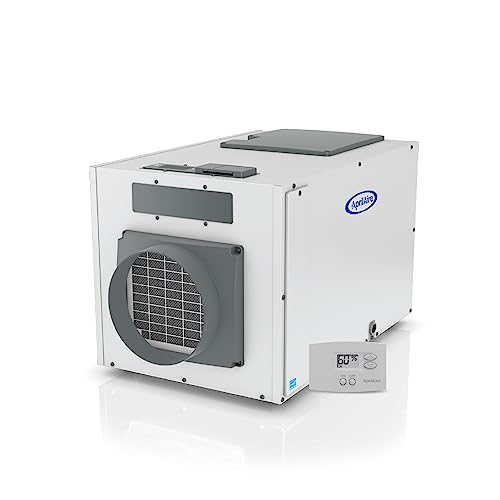
BALANCED HUMIDITY FOR HEALTH AND HOME PRESERVATION – Help prevent mold, mildew, dust mites, and odors caused by excess moisture to improve overall wellness. Help protect your home's foundation and woodwork from rot, termites, and fungus that thrive in high humidity

PROTECT YOUR HOME – The E100 Dehumidifier is rated ENERGY STAR Most Efficient for 2024. It removes up to 100 pints of moisture per day to help protect your home’s foundation and woodwork from rot, termites, and fungus, and help prevent mold, mildew, dust mites, and odors common in moisture prone areas like crawl spaces and basements

The Ultra Series MD33 is the first true in-wall dehumidifier designed to drain directly into a hub-drain or plumbing line making it truly a hands-off dehumidification system
Utilizing Dehumidifiers Effectively
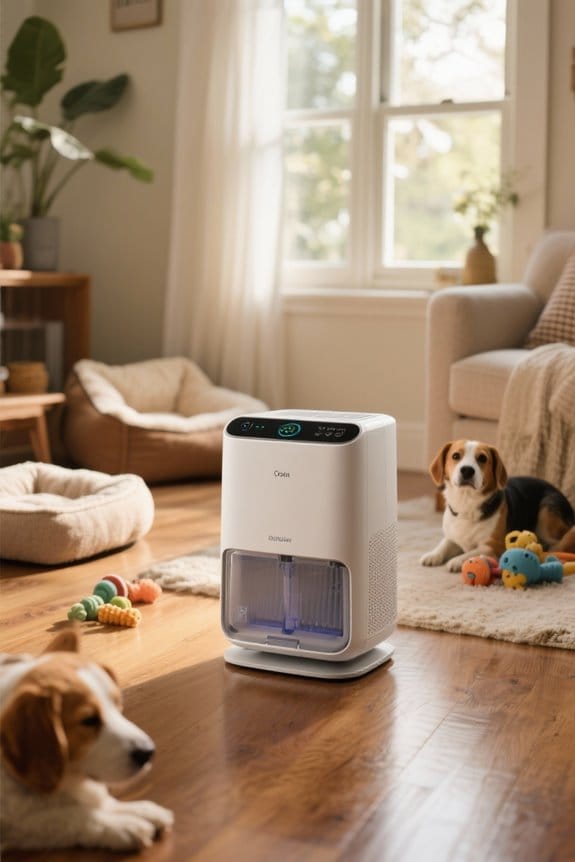
Dehumidifiers serve as vital allies in the battle against excess moisture in homes located in humid climates. These appliances maintain indoor humidity levels between 30-50%, greatly reducing the chances of mold growth. A properly sized dehumidifier can remove 30 to 50 pints of moisture daily.
To achieve ideal performance, place dehumidifiers in damp areas such as basements, bathrooms, and kitchens. Regular maintenance is key—clean the filter and empty the water reservoir frequently to enhance moisture removal.
Using a hygrometer to monitor humidity levels makes it easier to adjust settings, ensuring effective controlling moisture. By prioritizing these practices, homeowners can considerably inhibit the conditions that foster mold growth.
Recommended Products

A combo package Deals of 15pcs 1/3hp Air Mover , 3pcs 500 Hepa 500 Air Scrubber, 3pcs 80pints Compact LGR Dehumidifier

PROTECT YOUR HOUSE - Reduces & controls basement & whole home humidity to help prevent damp carpeting and furnishings, mold, mildew, and odors, and mold, termites, structural wood rot, and odors in a sealed crawl space

✔️ WATER REMOVAL CAPACITY UP TO 15.6 GALLONS PER DAY: XD-125 Commercial Dehumidifier Removes up to 125 Pints of water per day under fully saturated conditions (90°F/90% RH) and 9.5 gallons /76 Pints of water per day at AHAM (80°F/60% RH). The XD-125 dehumidifier is equipped with a self-purging water pump that can also be manually purged through a 20 FT drain hose which can drain 15 ft. vertically
Importance of Proper Ventilation

Proper ventilation is essential for maintaining a healthy indoor environment, especially in humid climates. It plays a key role in moisture control and helps keep indoor humidity levels between 30% and 50%. This range is vital for preventing mold growth.
To achieve proper ventilation, consider these methods:
- Use Exhaust Fans: Install fans in bathrooms and kitchens to remove excess humidity.
- Enhance Airflow: Open windows and doors to promote cross-ventilation when the weather is suitable.
- Maintain HVAC Systems: Regular check-ups help prevent moisture buildup in ducts.
- Utilize Dehumidifiers: These devices can greatly reduce indoor humidity levels, making the space less inviting for mold.
Incorporating these practices will effectively manage indoor humidity and deter mold growth in humid climates. Additionally, using rain covers with breathability options like mesh panels and side vents can help maintain proper ventilation in specific areas, like when protecting children in carriers.
Recommended Products
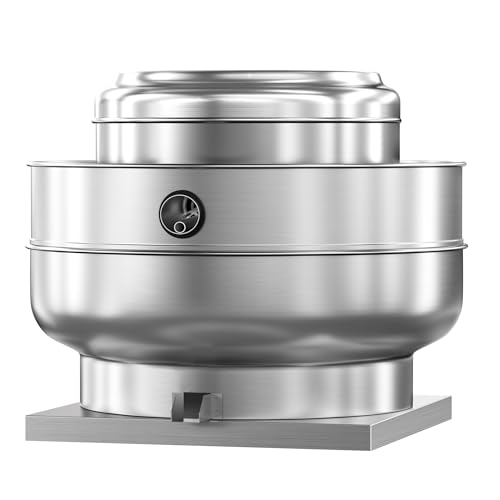
High-speed direct-drive centrifugal upblow fan for restaurant grease & general venting.

High speed direct drive centrifugal upblowing exhaust fan for restaurant grease and general ventilation applications.
High speed direct drive centrifugal upblowing exhaust fan for restaurant grease and general ventilation applications.
Sealing Leaks and Cracks
Sealing leaks and cracks is a vital step in preventing moisture intrusion that contributes to mold growth in humid climates. By using high-quality sealants or caulking, homeowners can effectively block gaps around windows, doors, and plumbing fixtures, minimizing water entry and creating a controlled indoor environment. Consider using hypoallergenic options for sealants to ensure safety for sensitive individuals.
Routine Maintenance:
- Regularly inspect roofing, siding, and flashing for damage.
- Address leaks promptly to avoid moisture buildup.
Waterproofing:
- Apply waterproof coatings to exterior surfaces and basement walls.
- This creates an additional barrier against moisture penetration.
Conducting these routine checks helps maintain ideal humidity levels between 30-50%. This not only reduces the risk of mold growth but also promotes a healthier living space.
Recommended Products

100% WATERPROOF: This 100% silicone formula offers ultimate protection from water damage, providing a reliable seal in areas prone to consistent water exposure

100% Waterproof and Weatherproof Silicone Caulk Protection: This silicone caulk clear provides waterproof and weatherproof protection for window and door, ensuring protection against water damage providing exception seal

Monitoring Indoor Humidity Levels
After addressing potential entry points for moisture through sealing, monitoring indoor humidity levels becomes another important aspect of mold prevention in humid climates. Keeping relative humidity between 30% and 50% is ideal to prevent mold growth. A hygrometer is essential for accurately measuring indoor humidity, allowing homeowners to take action if levels exceed 50%. Consider using hypoallergenic and pet-safe materials for items within the home to further protect against allergens and maintain a healthier environment. To manage moisture levels:
- Utilize dehumidifiers to reduce humidity, particularly in bathrooms and kitchens.
- Regularly check and maintain ventilation systems to enhance airflow, reducing stagnant air that can trap moisture.
Employing Mold-Resistant Materials
Employing mold-resistant materials can greatly enhance a home’s defense against mold growth, especially in humid climates. These materials are designed to resist moisture accumulation, effectively minimizing mold proliferation. Some key options include: – Mold-Resistant Drywall: Contains additives that inhibit mold growth. – Mold-Resistant Insulation: Helps prevent moisture buildup in walls. – Moisture-Resistant Flooring: Vinyl or tile is ideal for areas prone to spills. – Non-Porous Surfaces: Materials for cabinetry and countertops that do not trap humidity. – Vapor Barriers: Installed to block moisture from seeping into building materials. Additionally, using CertiPUR-US certified materials in furniture and bedding can ensure a safe environment by preventing chemical emissions that could contribute to mold growth.
Recommended Products

Includes one pallet of 60 cases (720 tiles/2880 sq ft); Versatile; The no-fuss smooth texture and color allow for seamless integration into any room or design scheme; Perfect for office buildings, restaurants, and home improvement
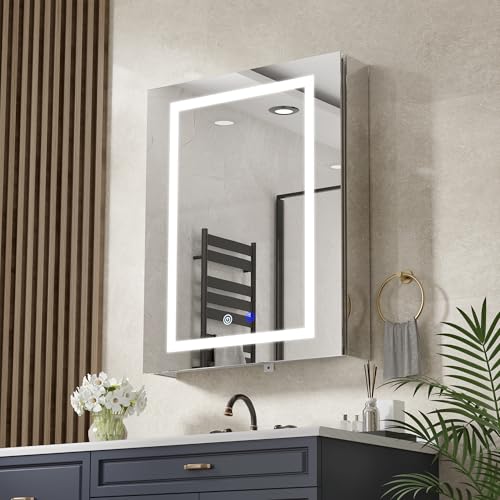
【Superior Durability & Package】This 24-In wide x 30-In high lighted medicine cabinet with mirror is designed with an IP44 waterproof aluminum frame and premium copper-free silver mirror. The medicine cabinet with mirror and lights is carefully wrapped in pearl cotton and foam on all six sides to ensure it stays intact during transit.

Stunning Aesthetic: Transform your space with a leaf wall that creates a vibrant fake plant wall; perfect for enhancing any garden wall or indoor area
Frequently Asked Questions
Can Mold Grow in Cold Climates?
Yes, mold can grow in cold climates where moisture levels are sufficient. Various mold species thrive at low temperatures, particularly with inadequate insulation methods and poor ventilation systems, leading to frost damage and compromised air quality indoors.
How Quickly Can Mold Develop After Water Exposure?
In a race against time, mold can develop within 24 to 48 hours after water exposure. High humidity levels and damp environments fuel rapid growth, highlighting the need for effective prevention strategies and vigilant home inspections for indoor air quality.
Is All Mold Harmful to Health?
Not all mold types are harmful; however, certain toxic molds can trigger allergic reactions, respiratory issues, and affect indoor air quality. Exposure involves contamination sources and alters the immune response, necessitating effective prevention strategies to mitigate health effects.
How Do I Identify Hidden Mold in My Home?
To identify hidden mold, homeowners should conduct a thorough home assessment, looking for visual clues like musty odors, damp areas, and moisture sources. Regular mold inspections and awareness of mold symptoms can aid in effective mold detection.
Are There Natural Remedies to Eliminate Mold?
Natural remedies for mold elimination include vinegar solutions, baking soda benefits, and hydrogen peroxide application. Additionally, essential oil uses, tea tree oil, activated charcoal, citrus extracts, natural antifungal sprays, and salt effectiveness are effective mold prevention techniques.


