


Stain removal varies markedly across fabric types. For delicate fabrics, use mild detergents and cold water rinses to protect fibers. Cotton withstands warm washing, while polyester often requires solvent-based removers for grease stains. Wool needs cooler settings and gentle care to avoid damage, and silk typically benefits from dry cleaning. The right approach is essential to maintain fabric integrity and appearance. Learn more about specific techniques and preventative measures to enhance your garment care routine.
Key Takeaways
- For delicate fabrics, use mild detergents and rinse with cold water to prevent damage while treating stains gently.
- Cotton stains should be rinsed with cold water first, followed by warm machine washing for effective removal.
- Polyester requires rinsing under warm water and employing solvent-based stain removers for grease stains before machine washing.
- Stubborn stains on delicate fabrics can benefit from soaking in diluted white vinegar prior to washing.
- Always test any cleaning solution on hidden areas of fabric to ensure it won’t cause damage before full application.
Understanding Fabric Types and Their Properties
When discussing fabric types, it is essential to understand their unique properties and how these influence stain removal practices. Different fabric types require different stain solutions and cleaning techniques.
- Cotton: Highly absorbent and durable; tolerates bleach and hot water, making stain removal easier.
- Wool: Sensitive to heat; prefers cool washing methods and gentle detergent to prevent damage.
- Silk: Extremely delicate; often requires dry cleaning to maintain texture and color.
- Synthetic Fabrics (e.g., polyester, nylon): Resist water but attract oil, necessitating specialized stain treatments.
- Delicate Fabrics (e.g., lace): Need mild solutions and low heat, highlighting the importance of understanding fabric types for effective stain removal.
For pet owners, selecting OEKO-TEX certified options for dog beds ensures that the materials are safe and non-toxic, providing additional peace of mind while maintaining fabric integrity.
General Stain Removal Techniques

Effective stain removal begins with understanding the right methods. Address stains promptly, as fresh stains are easier to remove. Start by rinsing the stained area with cold water from the backside to prevent pushing the stain deeper into the fabric.
Next, pre-treat stubborn stains with liquid laundry detergent or a specialized cleaning solution. Apply the detergent directly to the affected area and let it sit for a few minutes. Some stain-resistant fabrics are designed to prevent stains from setting in as quickly, making the removal process more manageable.
After this, launder the fabric according to its care instructions. Typically, cold water suffices for regular stains, but warm or hot water may be necessary for tougher ones. If residue remains post-wash, repeat the steps without drying the fabric until complete stain removal is achieved.
Stain Removal for Delicate Fabrics


Care Instructions for Heated Bed Electrical Components
Stains on delicate fabrics, such as silk and wool, require careful attention and specific techniques for effective removal.
- Gentle Handling: Always test stain removal solutions on a hidden area first.
- Pre-Treat Stains: Use mild detergents or enzymatic cleaners, applying with a gentle touch.
- Cold Water: Rinse the fabric with cold or lukewarm water to avoid damaging the fibers.
- Stubborn Stains: Consider soaking the item in diluted white vinegar or a gentle detergent solution.
When handling delicate fabrics, it’s crucial to ensure sufficient airflow around the fabric to prevent mold and mildew during the drying process.
It’s essential to avoid aggressive methods like bleach or heavy scrubbing. For particularly challenging stains, seeking professional fabric cleaning services can prevent damage. Delicate fabrics deserve special care; after all, they can be as sensitive as a cat in a bathtub!
Recommended Products

Braid Chair with a Boho Vibe: The transfer-printed wood-like finish metal frame perfectly replicates the natural feel of wood. Hand-woven paper rope adds a unique tactile feel to the armrest, giving it a chic and precious quality. It brings a natural touch to any interior style and easily complements various aesthetics. The delicate and soft fabric provides a comfortable and warm tactile experience.

Deep clean, no residue: cuts through sticky spills, grease and bathroom buildup using only water; safer choice around kids and pets
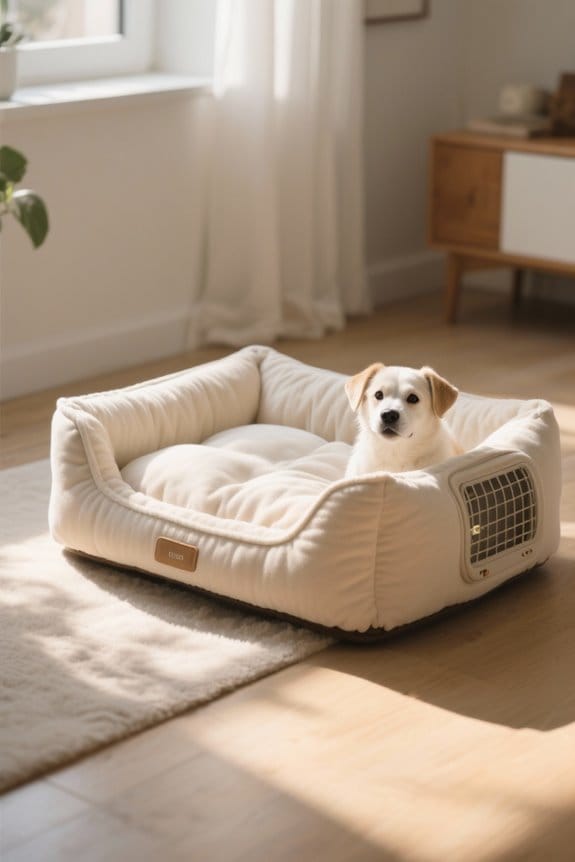
Disinfecting Carriers Between Travel Sessions
As an affiliate, we earn on qualifying purchases.

SWEET PEA PRINT FLORAL OVAL TABLECLOTH SIZE 68"x98" (68 inches wide by 98 inches long). Sewn with a 0.5 inch hem - fits perfectly on Knoll Saarinen Tulip 78” dining tables. One piece - no seams. We recommend a drop of approx. 6-12 inches on all sides of the table.
Stain Removal for Cotton and Polyester
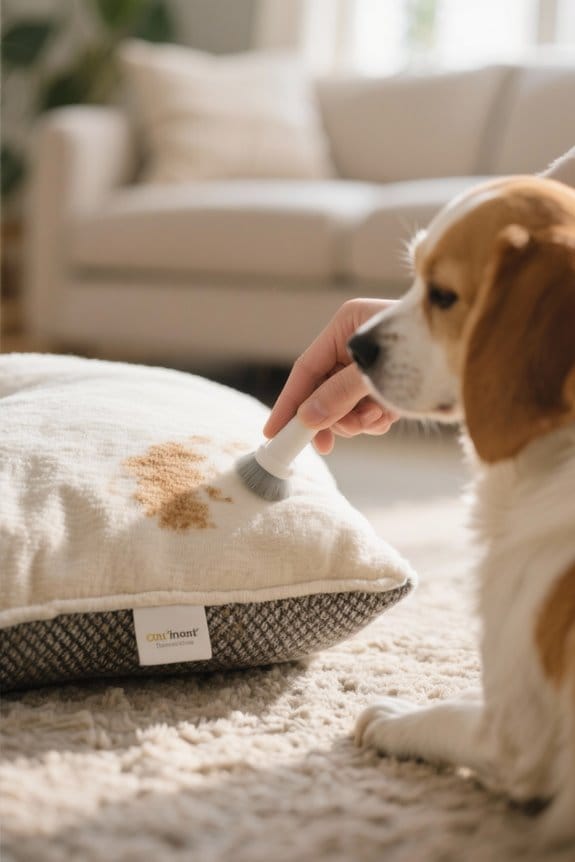
Cleaning cotton and polyester fabrics takes a knowledgeable approach, as these common materials each have unique characteristics. Cotton is highly absorbent, making it prone to stains. Quick treatment with cold water is critical to prevent permanent marks.
For polyester, which isn’t as absorbent but can attract oil, pre-treating stains with a synthetic fabric detergent is essential. Here are some useful tips for effective cleaning:
- For cotton: Always rinse protein-based stains with cold water first; hot water can set the stain.
- For polyester: Rinse under warm water, and use a solvent-based stain remover for grease.
Both fabrics can usually handle machine washing in warm water, but always check care labels. This guarantees proper cleaning without damage. Consider using hypoallergenic materials when dealing with sensitive skin or allergies, as they are designed to minimize allergic reactions.
Recommended Products

Mid-Century Swivel Stylish: Curled upholstery back that serves as both back and armrest, combined with soft seating and sturdy tapered wood legs, our stool perfectly balances function and style. The durable synthetic leather or soft cotton-look fabric offers a pleasant touch. A solid black footrest and smooth 360-degree swivel mechanism provide comfort for extended conversations.

Liquid Built Detergent that Breaks Up Tough Stains

Easy to Use & Fast Wrinkle Removal: The steam station operates a pro boiler that generates 550g/min steam boost at max 8 bar pressure, ensuring deep steam penetration and instant wrinkle removal
Tackling Stains on Wool and Silk

Tackling stains on wool and silk requires a careful and thoughtful approach. Both fabrics are delicate, needing gentle handling to avoid damage. To effectively treat stains, consider these key methods:
- Blotting Technique: Always use a blotting technique instead of rubbing, as this prevents fibers from fraying or pilling.
- Mild Detergents: Use mild detergents and cold water for wool, as alkaline solutions can cause harm.
- Enzyme-Based Cleaners: For protein stains, enzyme-based cleaners can be effective, but verify they’re safe for delicate fabrics.
- Testing Silk: Always test any stain removal solution on a hidden silk area first to prevent discoloration.
- Air Drying: Let wool and silk air dry, as high heat can cause shrinking or damage.
A useful tip for pet owners is to ensure carrier materials are waterproof to avoid stains from pet accidents during travel.
Recommended Products

Material: Available in premium New Zealand wool, viscose, silk, or Wool blends

SILVERWARE SET INCLUDES: 60-piece flatware set includes 12 dinner knife (8.92 inch/2.75 oz), 12 dinner fork (8.31 inch/2.07 oz), 12 dinner spoon (8.11inch/2.64 oz), 12 salad fork (7.01 inch/1.41 oz) and 12 teaspoon (6.9 inch/1.63 oz), service for 12

{FEATURES} Constructed from 100% Long Staple Cotton, our 600 Thread Count sheets are sure to catch your eye. Take a chance on these sheets and sleep restfully every night. Their Sateen Weave provides a strong and sleek sheen finish and a breathable fabric that is guaranteed to keep you comfortable at night. With our well-made elastic, your fitted sheet will remain secure on your mattress the next morning. Prepare to elevate your bedding with our wide selection of color options.
Handling Stains on Synthetic Fabrics
Synthetic fabrics, such as polyester and nylon, are everywhere—from clothing to home decor. Because they repel water and attract oil, addressing oil-based stains immediately is crucial. Use absorbent powders, like baking soda or cornstarch, to soak up the spill.
When treating stains, rinse with warm or cool water. Hot water may damage synthetic fabrics. For protein stains, apply an enzymatic detergent, allowing it to penetrate before washing. Synthetic fabrics typically tolerate these enzyme treatments well.
However, avoid bleach unless indicated on the care label; it can weaken fibers and cause discoloration. Always check the compatibility of the stain-removal product by testing it on a hidden area first. Proper care guarantees synthetic fabrics remain vibrant and intact. Additionally, choosing pet beds made of high-quality materials like faux fur and corduroy fleece can enhance both comfort and longevity, ensuring the fabric remains durable and easy to maintain.
Recommended Products
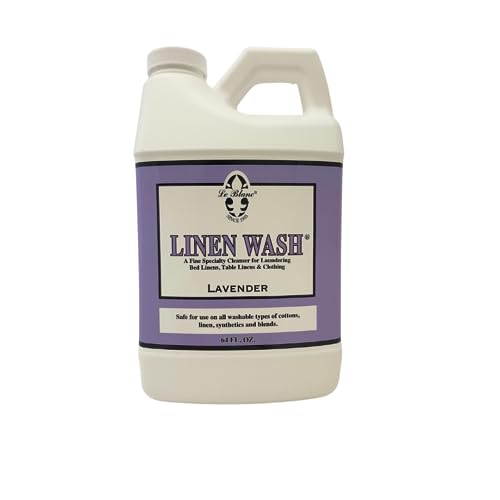
Lavender Fragrance: wild lavender, lily of the valley & warm cedar

Designed For Activewear: Laundry detergent pods formulated for workout clothes, leggings, uniforms, towels, and synthetic fabrics to help tackle sweat, body oils, odor buildup, and everyday stains after training or daily wear

Recommended for spot cleaning carpets, upholstery, textiles, vinyl, leather and synthetics
Specialty Care for High-Performance Fabrics
High-performance fabrics have become essential in modern athletic wear and outdoor gear, offering superior functionality and comfort. These materials often use moisture-wicking and stain-resistant technologies, making proper care critical for longevity. For effective stain removal:
- Use mild detergents: Choose formulas free of fabric softeners and bleach to avoid damaging fibers.
- Spot cleaning: Dab stains with a damp cloth and a little liquid detergent to prevent setting.
- Follow care label instructions: Always wash in cold or warm water cycles to maintain fabric integrity.
- Regular maintenance: Prompt stain treatment and adherence to proper washing methods will greatly extend the lifespan of high-performance fabrics.
In addition, opting for fabrics with moisture-wicking capabilities not only aids in comfort but also reduces the likelihood of sweat-related stains. With these tips, athletes can keep their gear looking sharp and performing well—like a winning team!
Recommended Products

Professional textile cleaning: The Kärcher Puzzi 8/1 C is a professional-grade carpet, upholstery, and textile flooring cleaner designed to deliver effective and thorough cleaning results

✅ SAFER CHOICE CLEANING POWER: Nanoskin Extractor Shampoo is a non-toxic, non-corrosive, biodegradable & 100% organic low foaming carpet cleaner Scented with natural citrus essential oil, this product meets U.S. EPA DfE Product Criteria for a certified safer cleaning choice.

Compact and Portable Design: Lightweight and equipped with casters, the Aqua Pro Vac Extractor is easy to move around, making it perfect for cleaning vehicles, rooms, and other spaces without hassle.
Importance of Fabric Care Labels
Why is the care label on a garment important? Fabric care labels are indispensable for maintaining clothing quality. They provide washing temperature recommendations and guidance on drying methods, ensuring the best practices are followed. Using laundry detergent directly on certain fabrics can lead to deterioration. Labels can signify if a fabric requires special handling, like “dry cleaning only,” protecting delicate materials. Incorrect care can cause color fading or create a fabric with a dull appearance. Understanding material safety certifications can also enhance safety and longevity when caring for garments, as it does for non-toxic pet beds.
Utilizing Professional Stain Removal Services
Utilizing professional stain removal services can greatly enhance the chances of successfully treating stubborn stains. These services assess the fabric type and stain nature to provide effective solutions without causing damage. Expert technicians use advanced cleaning solutions such as oxidative, enzymatic, and solvent-based methods, ensuring optimal removal. They have access to industrial-grade products that outperform typical household cleaners. This tailored, customized treatment allows for thorough inspections and specific strategies based on individual fabric care needs. Relying on professional services can also prevent common DIY stain removal mistakes, like using incorrect temperature water. Such errors can lead to permanent stains, making professional assistance a smart choice for preserving clothing integrity and functionality. Additionally, choosing beds with removable, machine washable covers can simplify maintenance and prevent stains from setting in.
Preventative Measures for Stain Resistance
How can clothing maintain its pristine appearance while warding off inevitable spills and stains? Implementing preventative measures can greatly enhance fabric longevity.
- Choose Stain-Resistant Finishes: Fabrics with built-in stain-resistant treatments reduce the chances of stains setting in.
- Wear Protective Layers: Undershirts can block skin oils and prevent sweat-related stains.
- Use Aluminum-Free Deodorants: These minimize residue buildup that could discolor clothing.
- Regular Application of Fabric Protection: Products like Ultra-Guard help repel spills.
- Practice Prompt Laundering: Washing clothes immediately after staining, especially when visible, prevents lasting damage.
- Consider using machine-washable covers for items like pet beds to simplify cleaning and maintain freshness.
Incorporating these strategies not only simplifies effective cleaning but also transforms ordinary fabrics into resilient, stain-resistant champions.
Frequently Asked Questions
What Are the 8 Stain Removal Techniques?
Eight effective stain removal techniques include understanding stain types, utilizing fabric care tips, applying DIY solutions and commercial cleaners, implementing prevention methods, ensuring appropriate cleaning frequency, minimizing environmental impact, and addressing stubborn stains with household remedies.
How to Get Different Types of Stains Out?
Different stains demand tailored approaches: wine and coffee stains benefit from immediate blotting, while grease and blood stains necessitate enzyme detergents. Conversely, ink and chocolate stains require swift, specialized solutions for ideal removal from fabrics.
What Is the Most Recommended Technique for Stain Removal?
The most recommended technique for stain removal involves immediate attention using eco-friendly household solutions, pre-treatment tips, and DIY techniques. Effectiveness comparison of methods helps address common stains while ensuring proper fabric care and potential professional cleaning options.
How to Remove Stains From Other Fabric?
Studies indicate 70% of households face fabric stains regularly. For various fabric types, using homemade remedies, stain guides, and eco-friendly options, combined with proper washing techniques and pre-treatment solutions, guarantees effective emergency fixes and fabric care.


