


Maintaining hygiene standards for pet beds is essential for preventing infections. Regular cleaning reduces allergens, bacteria, and the risk of skin issues. Recommended practices include washing bedding every 1-2 weeks for indoor dogs, using machine-washable fabrics, and applying waterproof liners for protection. Spot cleaning should address spills immediately, while deep cleaning should occur every three months. When evaluating dog beds, look for signs like discoloration or odors that indicate replacement is necessary. There’s more to explore regarding effective cleaning techniques.
Key Takeaways
- Regularly wash pet beds every 1-2 weeks for indoor dogs and weekly for outdoor dogs to maintain hygiene and prevent infections.
- Use machine-washable fabrics and removable covers for easy cleaning and effective disinfection of pet beds.
- Implement deep cleaning of internal mattresses every three months to reduce dust mites and harmful bacteria.
- Replace pet beds every 1-2 years, especially if discoloration, odor, or damage is present, to ensure a safe sleeping environment.
- Opt for beds with waterproof liners and stain-resistant materials to enhance longevity and prevent spills from contaminating the internal cushioning.
Importance of Maintaining Hygiene for Pet Beds
How often do pet owners consider the cleanliness of their furry friends’ beds? Maintaining hygiene in pet bedding is essential for pet and owner health. A thorough cleaning routine supports a healthy living environment by reducing allergens like pet dander. Regular cleaning can decrease the presence of harmful bacteria, which may be 36% higher in unwashed beds than in carpets. Frequent cleaning minimizes the risk of skin infections and allergic reactions, improving air quality. Washing outer covers every 1-2 weeks and internal fillings every three months is recommended for ideal cleanliness. These practices not only promote a clean dog but also contribute to a more comfortable and enjoyable home for everyone. After all, a fresh bed is a happy bed! Additionally, waterproof liners can help protect the foam from accidents, further supporting the longevity and cleanliness of the pet bed.
Recommended Cleaning Frequency for Dog Beds
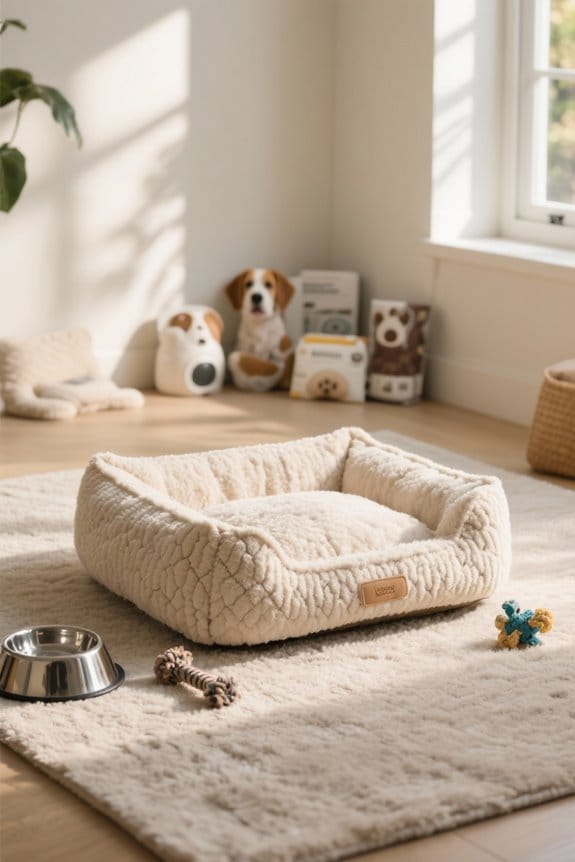
To maintain a healthy environment for pets, regular washing of dog beds is essential. The recommended cleaning frequency varies: for indoor dogs, a wash every 1-2 weeks is ideal, while outdoor dogs may need weekly washes to combat dirt and odors.
- Deep cleaning of internal mattresses is necessary every three months to prevent mold and allergens.
- During seasonal shedding, increase washing frequency to biweekly or weekly.
- Address spills immediately to avoid stains and contamination.
Consistent cleaning and disinfecting practices help improve pet hygiene, reducing the presence of dust mites and health risks such as fleas and ticks. Ultimately, adjusting the cleaning routine to fit the dog’s lifestyle plays a pivotal role in maintaining cleanliness in the pet’s sleeping area. In addition to regular washing, waterproof layers in senior dog beds can help protect against spills and maintain hygiene effectively.
Recommended Products

5-LAYER PROTECTION: These super absorbent pads include 5 layers. First, a non-woven quilted top layer that prevents splatters and tracking around the home. Next, a pulp and polymer sandwich, which instantly turns liquids into a gel, and lastly, a waterproof backing film on the bottom to make cleanup a breeze and protect your precious floors.

✅2XL EXTRA LARGE 28" X 44" COVERAGE – IDEAL FOR LARGE DOGS & MULTI-PET HOMES: Measuring a generous 28" x 44", these dog pee pads extra large provide wide floor protection for large breeds, puppy training, and indoor dog potty setups. Suitable for dogs, cats, rabbits, guinea pigs, birds, and other small pets. Perfect for indoor and outdoor use as potty pads, crate liners, changing pads, or floor protectors.

ENORMOUS XXXL SIZE WITH MULTIPLE COUNT OPTIONS: Includes 600 enormous 37" x 54" pee pads, available in multiple pack sizes to fit your needs. These massive XXXL dog pee pads deliver maximum floor coverage for giant breeds, multiple pets, and heavy use. Ideal for Great Danes, Mastiffs, senior dogs, puppies, cats, and household pets needing dependable indoor protection.
Choosing the Right Materials for Easy Cleaning
Choosing the Right Materials for Easy Cleaning****
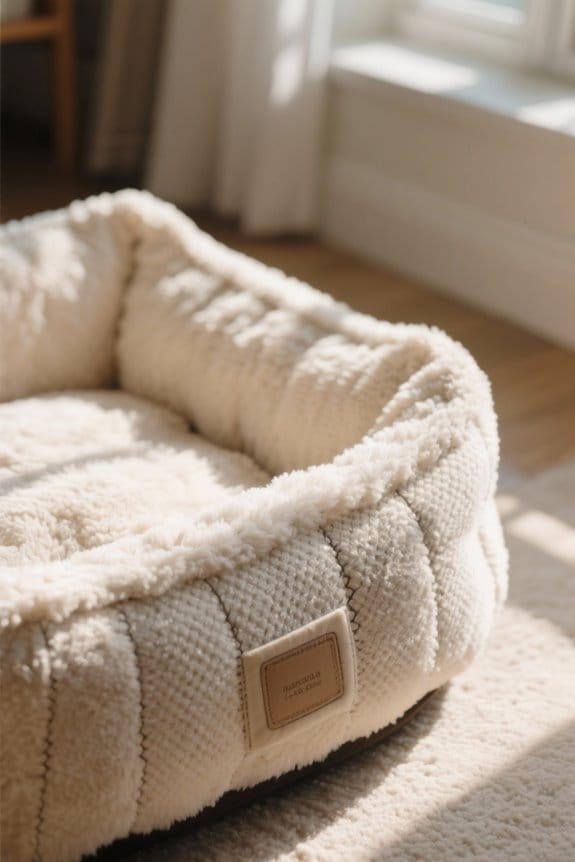
Choosing the right materials for pet beds can greatly impact cleanliness and hygiene. Selecting dog beds made from machine-washable fabrics like polyester, microfiber, or cotton guarantees effective cleaning and odor elimination.
- Removable covers are a smart choice; they make the washing process simpler.
- Look for beds with a waterproof liner to protect the inner cushioning from spills.
- Stain-resistant materials considerably reduce dirt presence.
- Opting for breathable textiles such as cotton or linen helps reduce moisture and odors.
- Additionally, using non-toxic foams, preferably OEKO-TEX or CertiPUR-US certified, fosters a healthier sleeping environment.
- Consider safety certifications such as OEKO-TEX or CertiPUR-US to ensure the materials used are non-toxic and safe for your pet.
Recommended Products

MADE WITH: CertiPUR-US certified orthopedic memory foam for dogs of all sizes! Finally, a dog bed that you can trust and will last for years: the foam has gone through a rigorous process to ensure that it is made without heavy metals like mercury, toxic chemicals like formaldehyde and phthalates

Ultimate Comfort Design: Premium orthopedic dog bed large sized for big dogs; Seven inch thick memory foam provides therapeutic support for joints; Microsuede cover feels soft against fur; Perfect for senior dogs or pets needing extra cushioning

Clinically proven benefits: In a University of Pennsylvania School of Veterinary Medicine study, large dogs showed reduced joint pain and improved mobility after sleeping on a Big Barker orthopedic dog bed.
Step-by-Step Dog Bed Cleaning Process
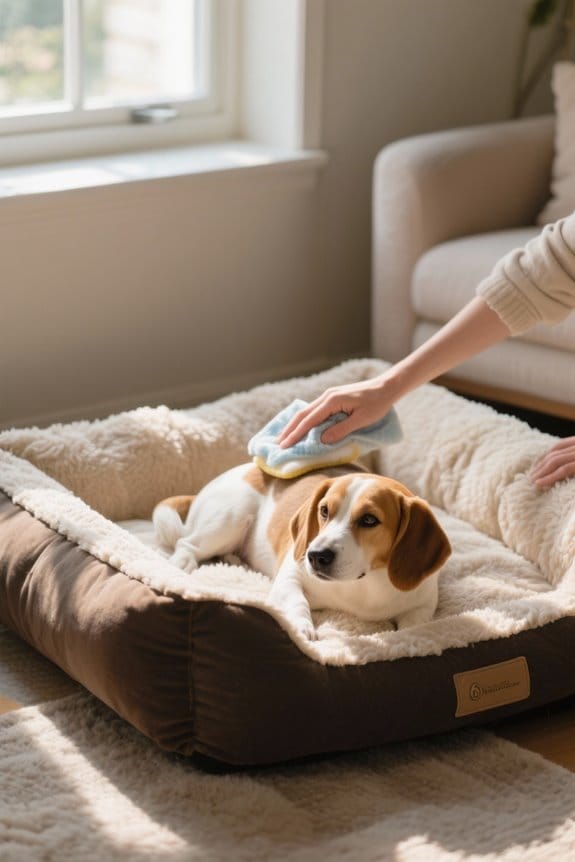
Maintaining a clean dog bed is vital for a pet’s health and comfort. To start, vacuum the dog bed to remove loose hair, dirt, and debris. This greatly reduces the microbial load present. Next, spot clean any stains using a mild detergent while avoiding over-saturation, which can lead to mold growth. For beds with removable covers, wash the cover in hot water (at least 40 degrees Celsius) using a washing machine. This temperature effectively kills bacteria and pests. After washing, thorough drying is important to prevent mold and mildew. Establish a cleaning schedule: wash outer covers every 1-2 weeks and deep clean internal fillings every three months. These steps keep pet bedding fresh and safe for your furry friend. Additionally, consider investing in waterproof liners to safeguard foam inserts and maintain cleanliness.
Recommended Products

Clinically proven benefits: In a University of Pennsylvania School of Veterinary Medicine study, large dogs showed reduced joint pain and improved mobility after sleeping on a Barker Beds orthopedic bed.

Durable Memory Foam Construction: Made with high-density memory foam for comfort and support.

Durable Ripstop Ballistic Cover: The heavy-duty cover withstands scratching, digging, and occasional mouthing or light chewing. Great for dogs that like to get a little rough with their beds! Please note that this is not a chew proof bed and it is not recommended for dogs that chew heavily or constantly on their bedding.
Health Risks Associated With Unhygienic Pet Beds
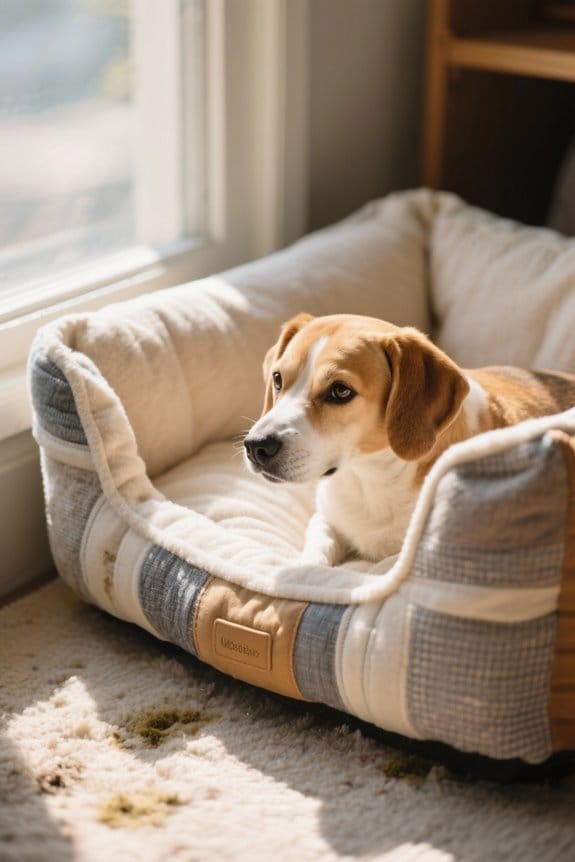
While a thorough cleaning process can greatly improve a pet bed’s hygiene, neglecting regular maintenance can expose pets to various health risks. Unwashed pet beds harbor up to 36% more bacteria than average carpets, increasing the likelihood of infections.
Key health risks include:
- Skin infections, such as rashes and hot spots, due to thriving bacteria and fungi
- Infestations of fleas, ticks, and mites, which can transmit diseases to both pets and humans
- Respiratory issues caused by dust mites that inhabit dirty bedding, aggravating allergies and asthma
Proper hygiene practices are essential on pet beds to safeguard the health of pets and their human companions from these unnecessary dangers. Additionally, machine-washable covers simplify the process of maintaining cleanliness and prolong the life of the pet bed.
Benefits of Regularly Clean Dog Beds
Regular washing of pet beds offers numerous health benefits. These include:
- Reduced Allergens: Cleaning can decrease allergens by up to 40%, which is vital for sensitive dogs.
- Lower Bacteria Levels: Unwashed beds can harbor 36% more bacteria than standard carpets, increasing infections.
- Flea and Tick Prevention: A clean bed helps deter fleas and ticks, which thrive in unwashed environments.
- Enhanced Home Freshness: Regular washing contributes to a fresher-smelling space, minimizing dirt transfer to other surfaces.
Pet owners should consider the ease of maintenance when choosing a rustic pet bed, as removable and machine-washable covers simplify cleaning, ensuring the pet’s living environment remains hygienic. For pet owners, maintaining a clean bed guarantees overall pet well-being, improving both physical health and comfort. Investing time in washing bedding translates to happier, healthier pets—who appreciates a clean bed?
Spot Cleaning vs. Deep Cleaning: When to Use Each
Spot cleaning and deep cleaning serve distinct yet complementary purposes in maintaining the hygiene of pet beds. Spot cleaning is essential for tackling immediate stains, odors, or spills before they lead to bigger problems like stubborn stains or infections. It typically uses a mild detergent but requires caution to avoid oversaturation, which can encourage mold growth. Deep cleaning, on the other hand, is needed every three months or more frequently for heavily used beds. This process eliminates accumulated dirt, allergens, and bacteria that spot cleaning can’t address. Using hot water (40 degrees Celsius or higher) during deep cleaning enhances the hygiene strategy, effectively reducing the risks of infections for pets and their owners. Selecting removable covers for easy cleaning ensures that pet beds can be maintained regularly, minimizing the buildup of harmful pathogens.
Safe Cleaning Products for Pet Beds
Choosing safe cleaning products for pet beds is essential for maintaining a healthy environment for pets and their owners. Opt for non-toxic options certified by OEKO-TEX or CertiPUR-US to minimize allergens and irritants. When selecting products, consider:
- Antimicrobial properties: These help reduce harmful bacteria and germs.
- Pet-safe disinfectants: Use these during regular washes with hot water (at least 40 degrees Celsius) for thorough cleaning.
Eco-friendly cleaning solutions are often gentler on pet skin and respiratory systems. Remember to follow the manufacturer’s instructions for dilution and application. This guarantees effective disinfection while maintaining safety. By selecting appropriate cleaning products, pet owners can create a safer space, effectively shielding their furry friends from potential health risks. Additionally, consider machine washable options for pet beds to ensure easy maintenance and hygiene, as they allow for regular and thorough cleaning to prevent infections.
Recommended Products

KILLS 99.9% OF GERMS, VIRUSES & BACTERIA: Uses electricity to convert tap water plus a capsule of salt, water & vinegar into an organic multi-purpose cleaner, deodorizer, federal EPA registered disinfectant & sanitizer. Effectively kills 99.9% of germs, bacteria and viruses, including Norovirus. (EPA Registration Number: 93040-1, CDPR License #01009)

Effective against Norovirus, RSV, Covid 19, Influenza A Flu Virus, MRSA & Staph, Bird Flu Salmonella, E Coli, Monkeypox (MPOX) and more.
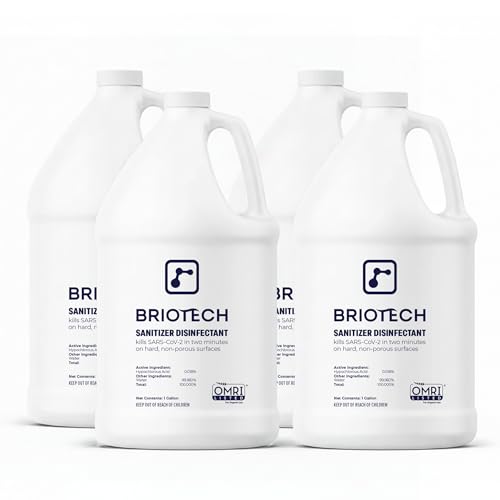
KILLS SARS-CoV-2 IN 2 MINUTES on hard, non-porous surfaces. Antibacterial, antimicrobial, and virucidal. Kills 99.99% of harmful bacteria (Salmonella, E. coli, MRSA, Listeria, Staphylococcus aureus, Klebsiella pneumoniae, Pseudomonas aeruginosa), and virus (Feline calicivirus, SARS-CoV-2).
Understanding Allergens and Their Impact on Pets
How do allergens influence the well-being of pets? Allergens like dust mites, pollen, and pet dander can worsen respiratory issues and allergic reactions, especially in sensitive animals. Unclean bedding can harbor these allergens, leading to symptoms such as itching, skin infections, and gastrointestinal problems. To combat these risks:
- Regular cleaning of pet beds can reduce allergen levels by up to 40%.
- Increased cleaning frequency helps prevent mold and mildew, which negatively affect air quality.
Using hypoallergenic materials and detergents in pet bedding diminishes allergic reactions, fostering a healthier living environment. By being proactive in maintaining a clean space, pet owners can greatly improve their pets’ comfort and health. Scratch-proof dog beds with removable covers simplify the cleaning process and help maintain hygiene.
Signs It’s Time to Replace Your Dog’s Bed
When it comes to maintaining a clean and healthy environment for pets, keeping an eye on their bedding is just as important as understanding allergens. Here are key signs it’s time to replace your dog’s bed:
- Discoloration or Odor: If cleaning fails to improve the appearance or smell, consider a new bed.
- Loss of Shape: A bed that lacks support can lead to discomfort and should typically be replaced every one to two years.
- Wear and Tear: Frequent shedding and visible damage point to a need for replacement.
- Skin Issues: An increase in allergies or skin problems may indicate bacteria or allergens present in the old bed.
Regular assessments of your dog’s bed clean are essential to avoid potential health risks. Additionally, choosing beds with machine washable covers can help maintain hygiene and extend the bed’s life.
Recommended Products

Ultimate Comfort Design: Premium orthopedic dog bed large sized for big dogs; Seven inch thick memory foam provides therapeutic support for joints; Microsuede cover feels soft against fur; Perfect for senior dogs or pets needing extra cushioning

Elegant Premium Finish Cover: Our premium finish fabric is made from our signature 1200 ripstop ballistic material and has all the same durability against punctures and tears from destructive dog behaviors. The premium finish is a coating applied to the surface of the ripstop fabric to give it a woven texture and a softer feel. Ideal for use indoors.

Premium Quality Design: Extra thick seven inch orthopedic foam provides superior joint support; Headrest feature offers additional comfort for your large dog; Soft microsuede cover feels luxurious while standing up to daily use by big dogs
Frequently Asked Questions
What Basic Hygiene Practices Should Be Followed When You Are Around Animals?
A dog owner implemented effective waste management by regularly cleaning their yard. They adhered to animal grooming, hand washing, surface disinfection, and health checks, ensuring ideal hygiene while managing pet feeding and flea control for overall well-being.
How Do I Disinfect My Dog’s Bed?
To disinfect a dog’s bed, maintain clean bedding through regular washing, noting bed material. Implement disinfect routines for odor elimination, stain removal, flea prevention, and to alleviate dog allergies, ensuring a safe environment for pets.
How to Keep Pet Beds Clean?
To maintain pet beds, prioritize regular cleaning frequency. Utilize vacuum techniques, select machine-washable fabrics, and waterproof covers. Implement stain removal practices and odor control with natural cleaners to guarantee a hygienic environment for pets.
Is It Sanitary to Wash a Dog Bed in a Washing Machine?
Imagine a fresh, fluffy cloud; washing a dog bed in a machine can be sanitary. Ideal temperature settings combined with suitable detergent options enhance odor removal, while proper drying methods guarantee fabric durability and minimize pet allergies.


