


Securing pet carriers safely in vehicles is essential for the safety of both pets and passengers. Use sturdy, crash-tested carriers and place them in the back seat or on the floor behind the front seats. Secure the carrier using the vehicle’s seatbelt and consider safety straps for larger carriers. Avoid wire crates and guarantee the carrier allows your pet to move comfortably. Properly securing your pet carrier reduces the risk of injury during travel and enhances the travel experience. Explore more effective strategies for safe pet travel.
Key Takeaways
- Use certified crash-tested carriers, as they are designed to withstand impact forces during accidents and provide safety for pets.
- Secure carriers with seatbelts on the back seat or floor behind front seats to minimize movement and distribute crash forces evenly.
- Avoid using wire crates and opt for sturdy plastic kennels or soft-sided carriers suitable for smaller dogs, ensuring they are spacious enough for comfort.
- Do not place pet carriers in the front passenger seat due to the risk of injury from airbag deployment during collisions.
- Regularly check and tighten the carrier’s security, using additional safety straps or ratchet tie-downs to prevent sliding or tipping while driving.
Importance of Securing Pet Carriers
Ensuring the safety of pets during vehicle travel begins with securing their carriers. The importance of securing pet carriers cannot be overstated. Unrestrained carriers can turn into dangerous projectiles in a collision, increasing the risk of injury for both pets and passengers. A 80-pound dog can exert a force of 2,400 pounds at 30 mph, underscoring the need for safety. The Center for Pet Safety recommends using certified carriers designed for crash safety. Placing carriers on the floor behind front seats can help mitigate potential impact forces. To further ensure safety and comfort during travel, it’s crucial to select a carrier with ventilation mesh that prevents overheating and reduces anxiety for pets.
Hazards of Unrestrained Pets in Vehicles
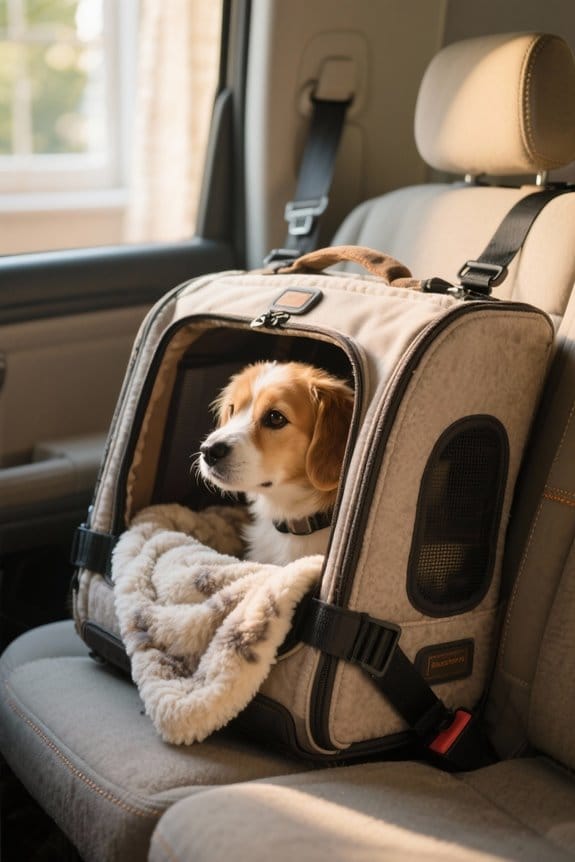
When pets are unrestrained in vehicles, significant hazards emerge that can compromise the safety of all occupants. Approximately 84% of dog owners neglect to use restraints, increasing risks dramatically. An 80-pound dog can become a projectile, exerting up to 2,400 pounds of force in a 30 mph crash. Hazards include:
- Injuries from Airbags: Unrestrained dogs in the front seat face serious injury upon airbag deployment.
- Escape Risks: Loose animals can flee from wrecked vehicles, creating dangers for themselves and other drivers.
- Projectiles: In collisions, unrestrained pets can injure both themselves and human passengers.
Understanding these risks is essential for vehicle safety when traveling with pets. Proper restraints save lives and prevent chaos on the road. For added comfort during travel, consider using durable materials like microfiber for pet bedding or carriers, which provide both comfort and longevity in various conditions.
Recommended Carrier Types for Safety
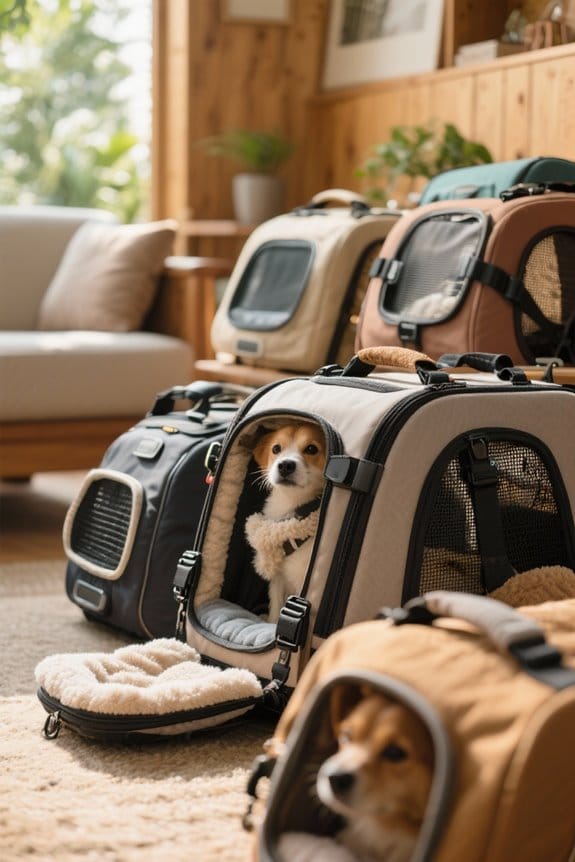
- Soft-sided carriers work well for smaller dogs, providing comfort and easy handling.
- For larger dogs, sturdy plastic kennels are ideal. Make certain they have secure locking mechanisms and adequate ventilation.
- Avoid using wire crates in vehicles, as they typically do not withstand crash forces, putting pets at risk. Additionally, it’s important to choose a carrier that allows pets to stand, turn around, and lay down comfortably. By selecting an appropriate carrier, you not only secure your dog but also enhance their travel experience.
- Ensure that the chosen carrier complies with safety standards similar to those required for infant car seats, providing peace of mind during travel. Safe travels start with the right choices.
Recommended Products

1,500 LBS. LOAD CAPACITY: High-strength, lightweight powder-coated aluminum connected with durable C-beam brackets; total weight capacity of 1,500 lbs.; heavy-duty 4-beam design makes this system solid

The safe, reliable, and easy to use dog car crate that protects both dogs and people

Set Up In 60 Seconds - Set up is nearly instantaneous in less than one minute, no tools required, and when you're done, it collapses for easy stowage! It's truly never been easier.
Choosing the Right Location in Your Vehicle
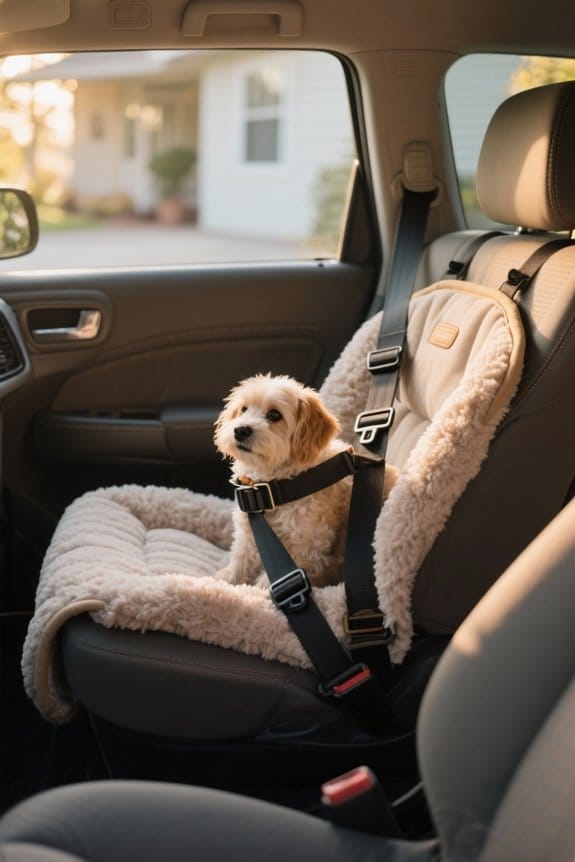
Finding the best location for a pet carrier in a vehicle can greatly enhance safety for both pets and passengers. The back seat is the safest area, as it keeps pets away from front airbags. Positioning the carrier on the floor behind the front seats is ideal. This placement helps reduce movement and distributes crash forces evenly. Avoid placing carriers in the middle seat of the back row. This spot lacks the best protection during accidents. In larger vehicles like SUVs, the cargo area offers additional safety by keeping the carrier away from direct impact zones. Always use a safety harness or seat belts to secure the carrier. Loose carriers can turn into dangerous projectiles during sudden stops or accidents.
How to Secure Your Pet Carrier
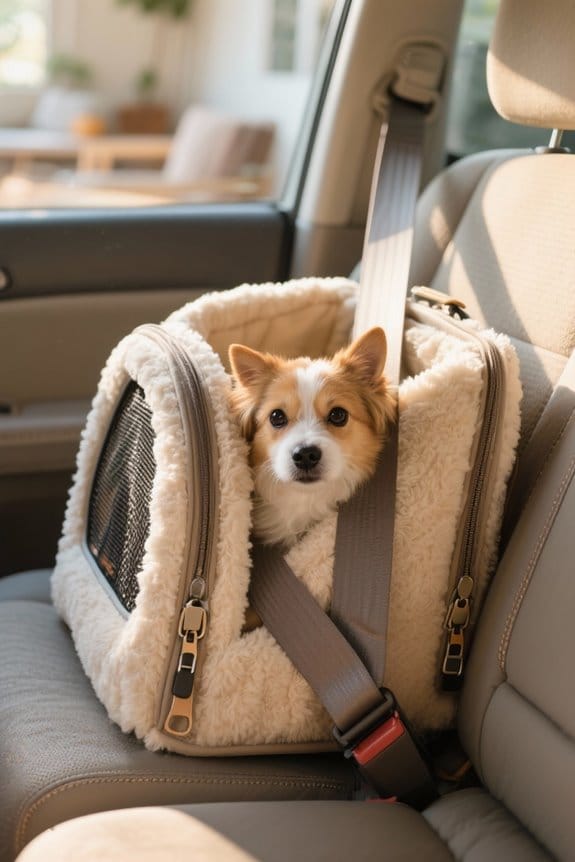
Securing a pet carrier properly is essential for the safety of both pets and passengers during travel. To start, position the carrier on the back seat behind a front seat. Use the car’s seatbelt to securely fasten it, preventing any movement while driving. If the carrier is larger, additional safety straps may be necessary. These straps can be clipped to the carrier and buckled to the seatbelt for extra stability. For improved safety, place the carrier on the floor between the front seats. This arrangement helps distribute impact forces during a collision. Always opt for a CPS certified carrier, ensuring it meets strict standards for crashworthiness. Consider carriers with a 5-star crash test rating for maximum safety during travel. A well-secured pet carrier protects both furry friends and human companions alike.
Recommended Products

CRASH-TESTED FOR CRASH PROTECTION : Our enclosed cat car seat has been independently crash-tested in the USA by the Center for Pet Safety (CPS) and certified with a 5-star safety rating for withstanding a crash force of at least 750lbs (Test with the U.S. child restraint system standard FMVSS 213b). This is the highest safety rating ever awarded for dog car seats for small dogs. Most importantly. Please don’t be misled by the 99% of dog booster car seat and dog seat belt for car that are not crash-tested; while they may claim to keep your pet "safe," their only real function is containment. Our crash tested pet car seat is engineered to actually safeguard your pet’s life during a car crash.

CRASH-TESTED VEHICLE SAFETY HARNESS – Conforms to USA (FMVSS 213) safety standards, providing reliable protection during sudden stops or accidents.

BUILT FOR THE DRIVE. Strength-rated hardware, metal slide buckles, and a universal seatbelt loop keep dogs secure through hard stops, comfortably restraining your co-pilot on any adventure.
Tips for Using Seatbelts With Carriers
When it comes to safely securing pet carriers with seatbelts, several important factors come into play to guarantee a stable ride. First, always choose carriers designed for seatbelt use to make certain they won’t collapse in a crash. Make sure the carrier you choose has breathable mesh panels for airflow and comfort during travel. Position the carrier in the back seat. Use the seatbelt to secure it tightly, creating a secure fit that avoids sliding. Remember, loose carriers can turn into dangerous projectiles during an accident. Avoid placing carriers in the front passenger seat. This area can be hazardous due to deploying airbags. Lastly, always double-check that the seatbelt is fastened properly, not just buckled loosely. This simple step makes certain that the carrier remains stable and secure during sudden stops or unexpected events.
Recommended Products

Safe car seat carrier for small dogs & cats Compact dog and cat car seat carrier for the front or rear seat of your car, SUV or truck – perfect for small dogs and cats up to 33 lbs. Keeps your pet safely contained instead of roaming or sitting on your lap while driving. TUV tested safety up to 33 lbs Premium car travel crate developed by Swiss engineers and independently tested and certified by TUV for pets up to 33 lbs. Gives you peace of mind on every trip, from quick vet visits to long road adventures.

CRASH-TESTED & TUV CERTIFIED SAFETY — The only dog & cat car seat carrier independently crash-tested and approved by TUV, Europe's most rigorous safety authority. Protects small pets up to 33 lbs on every trip. Box Only — pair with our ISOFIX connector (sold separately) or use the built-in seat belt attachment. Swiss-engineered for maximum protection.

CRASH-TESTED & TUV CERTIFIED SAFETY — The only dog & cat car seat carrier independently crash-tested and approved by TUV, Europe's most rigorous safety authority. Protects small pets up to 33 lbs on every trip. Box Only — pair with our ISOFIX connector (sold separately) or use the built-in seat belt attachment. Swiss-engineered for maximum protection.
Understanding Ratchet Tie-Down Straps
Understanding ratchet tie-down straps is essential for any pet owner looking to enhance vehicle safety during travel. These straps securely hold pet carriers in place, preventing unwanted sliding or tipping.
- Ratcheting Mechanism: This feature simplifies tightening and releasing, making it user-friendly.
- Durable Materials: Typically made of strong materials like stainless steel, they guarantee long-lasting reliability.
- Proper Adjustment: When adjusted correctly, they create a snug fit, minimizing movement and enhancing safety.
Pet owners should ensure their pet carriers have secure latches and dual seatbelt straps for maximum safety during transport. Beyond pet travel, ratchet tie-down straps also serve as versatile tools for securing various cargo and equipment. Whether transporting furniture or sports gear, these straps support multiple purposes, making them invaluable for every vehicle owner. Investing in quality straps promotes overall safety during travel with pets.
Recommended Products

CRASH TESTED – 5 star crash test rating, keeping your canine companion safe and secure. Patented design is durable yet light enough to easily transport

CONVENIENTLY STOW — Easily stow bulky items outside of the vehicle and save space while keeping your interior comfortable and organized for passengers and pets
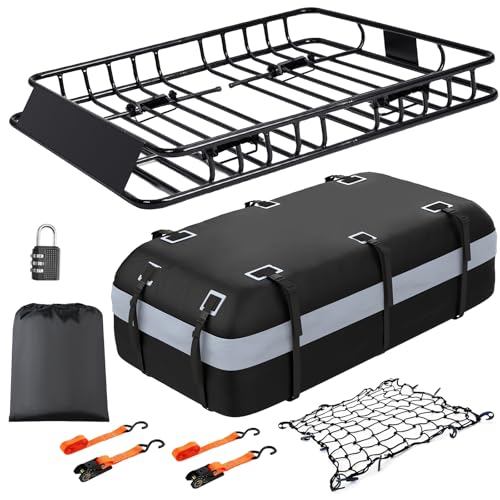
250LB Heavy-Duty Steel Build: Reinforced tubular steel frame with rustproof black epoxy coating ensures durability. Aerodynamic wind fairing reduces noise, boosts fuel efficiency, and protects cargo from weather damage
Ensuring Comfort for Your Pet During Travel
Traveling can be stressful for pets, especially when confined to a carrier for extended periods. Choosing the right kennel size is essential; it should be spacious enough for pets to stand, turn, and lie down comfortably.
To enhance comfort, line the kennel with a soft mat or blanket, creating a familiar space that can ease anxiety. A great addition is to use non-slip bases to improve safety and prevent sliding, ensuring your pet stays secure throughout the journey.
- Verify proper ventilation in the kennel for air quality and temperature control.
- Regularly check on your pet during the journey to address any discomfort.
If traveling long distances, provide fresh water and schedule breaks to allow your pet to stretch and relieve themselves, guaranteeing their safety and comfort. Using a crate or harness can enhance both safety and comfort during travel.
Preparing Your Vehicle for Pet Travel
Preparing a vehicle for pet travel enhances the safety and comfort of both pets and passengers. For pet owners, the first step is to ascertain the crate is appropriately sized. It should allow pets to stand, turn, and curl comfortably. Next, clear the area designated for the crate. Ideally, position it in the back seat behind a front seat, as the middle seat is less safe. Place a non-slip mat or blanket under the crate to prevent movement. To secure the crate, use seat belts or retractable tie-down straps, minimizing unwanted movement. A securely placed crate prevents it from becoming a dangerous projectile during sudden stops. With these preparations, travel can be a safe and comfortable experience for everyone involved. Additionally, airline compatibility standards should be considered if the travel involves flying, ensuring the pet carrier meets necessary regulations.
Recommended Products


Over 50+ Custom Sizes and Shapes to choose from. If you do not see the size or shape that you desire, choose the next size up for you order and message us with your custom specifications.

[EXPERTLY CRAFTED]: Machine-woven by skilled artisans from plant-based sisal fibers for a rich, textured look and natural feel; slight color variations highlight its natural beauty; fabric border provides a clean, finished edge
Emergency Considerations for Traveling With Pets
Emergency situations can occur unexpectedly while traveling with pets, making it important to think ahead. To effectively protect your pet, it is essential to restrain your dog using a secure dog crate or harness. This guarantees safety and simplifies emergency responses.
- Unrestrained pets can complicate access for first responders during accidents, risking human and animal safety.
- Injured pets may act unpredictably, adding chaos to already stressful situations.
- Keeping pets restrained minimizes their panic and fear, allowing better management in emergencies.
In case of a collision, an unrestrained pet might flee the vehicle, creating additional dangers on the road. By securing your pet properly, you can promote faster medical attention and a calmer environment, benefiting everyone involved.
Common Myths About Pet Carrier Safety
Many pet owners hold misconceptions about the safety of pet carriers during vehicle travel, which can jeopardize their furry companions. For instance, many believe that buckling a carrier with a seatbelt guarantees safety. However, most carriers are not crash-tested and may fail during a car accident. Additionally, placing a carrier in the front passenger seat may seem convenient, but an unintended airbag deployment can severely injure a dog. Not all pet carriers offer the same safety; research shows many fail crash tests. Soft-sided carriers can collapse in collisions, making them less safe than rigid ones. Furthermore, simply placing a carrier on a flat surface doesn’t guarantee it can withstand movement. Proper securing is essential for travel safety. It’s important to consider safety mechanisms, like fixed leashes and breathable mesh, to ensure your pet’s security and comfort during travel.
Additional Safety Measures for Pet Travel
Traveling with pets can be both enjoyable and stressful, but guaranteeing their safety during the journey is paramount. Here are some additional safety measures for pet travel:
- Placement of Pet Carriers: Always position pet carriers on the car floor behind the front seats. This helps distribute impact forces evenly and reduces the risk of ejection during a crash.
- Securing the Carrier: Use safety straps or ratchet tie-downs to tightly secure pet carriers. This prevents sliding or tipping, adding stability.
- Crash-Tested Carriers: Invest in carriers certified by organizations like the Center for Pet Safety. These guarantee maximum structural integrity during transport.
- Regular Checks: The driver should periodically inspect the security of the pet carrier before and during travel to avoid any movement that could compromise safety.
Frequently Asked Questions
How Do You Secure a Pet Carrier in a Car?
To secure a pet carrier in a car, utilize appropriate carrier types, ensuring tight seatbelt placement or safety straps. Prioritize pet safety by selecting suitable vehicle accessories and applying effective travel tips for a secure journey.
Where Is the Safest Place to Put a Pet Carrier in a Car?
The safest place for a pet carrier in a car is behind a front seat. Considering space and pet safety, using a secured car seat area reduces risk during travel, ensuring a stable environment for your pet.
What Is the Safest Way to Transport Pets in a Car?
The safest way to transport pets in a car involves ensuring healthy travel with secure carriers, prioritizing pet comfort, incorporating emergency preparedness strategies, and taking frequent breaks to alleviate stress and promote well-being.
What Is the Safest Dog Restraint in the Car?
Choosing crash-tested carriers or high-quality dog harnesses guarantees unparalleled safety during travel. Effective pet travel gear can greatly reduce injury risks, while proper travel safety tips enhance every journey, safeguarding beloved furry companions from unforeseen dangers.


