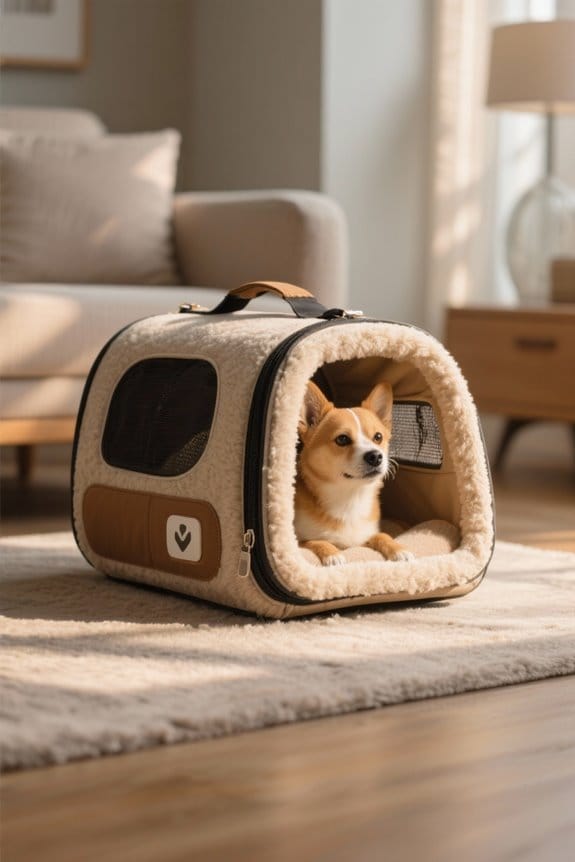

Using a cat carrier as a safe space during veterinary visits is vital for feline comfort. A well-constructed carrier should have both front and top access for easy entry and exit. Soft bedding and familiar toys can make the inside feel secure. Gradual acclimation to the carrier helps the cat view it positively. This approach minimizes stress and promotes a smoother vet experience. For more tips on enhancing this process, exploration of further resources may be beneficial.
Key Takeaways
- Choose a sturdy carrier with top and front access to minimize discomfort during veterinary visits.
- Use familiar bedding and toys inside the carrier to create a comforting space for your cat.
- Place the carrier in common areas at home to allow your cat to explore and develop positive associations.
- Employ calming pheromone sprays to enhance your cat’s sense of security during visits.
- Ensure the carrier is airline-approved and meets safety standards for versatile and stress-free travel.
Choosing the Right Cat Carrier
Selecting the ideal cat carrier is essential for a stress-free visit to the veterinarian. The right carrier can greatly reduce stress and anxiety for both the owner and the cat.
Recommended Products

Safe car seat carrier for small dogs & cats Compact dog and cat car seat carrier for the front or rear seat of your car, SUV or truck – perfect for small dogs and cats up to 33 lbs. Keeps your pet safely contained instead of roaming or sitting on your lap while driving. TUV tested safety up to 33 lbs Premium car travel crate developed by Swiss engineers and independently tested and certified by TUV for pets up to 33 lbs. Gives you peace of mind on every trip, from quick vet visits to long road adventures.
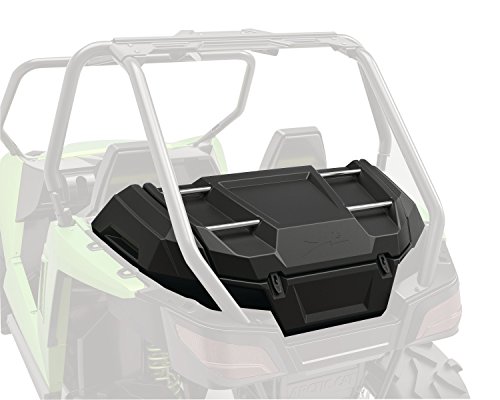

IATA AIRLINE COMPLIANT TRAVEL CRATE: Compliant with the standards specified in the 51st Edition of the IATA Live Animal Regulation for safe, secure air travel—The Kennel features a durable hard-sided exterior plastic shell, steady airflow and visibility built-in, accident moat pulls spills away from your pet’s body, airline-required tie-down holes for added security, reinforced metal hardware, and a strong secure door latch to keep dogs and cats safely contained during air travel.
Key Features to Assess:
- Sturdy Construction: A hard plastic carrier offers easy cleaning and support during transport.
- Access Options: Carriers with both front and top openings allow for easy access, minimizing disruption.
- Detachable Designs: These allow examinations while keeping the cat in a familiar safe space, reducing their stress levels.
- Large Front Doors: This feature guarantees safe entry and exit, preventing uncomfortable removal.
- Comfort: Including soft bedding and familiar items can help the cat feel secure during their journey to the vet.
- Ventilation: Robust ventilation with mesh panels ensures proper airflow, enhancing the comfort of the cat during travel.
Choosing carefully can transform a stressful trip into a manageable one.
Creating a Safe Carrier Haven
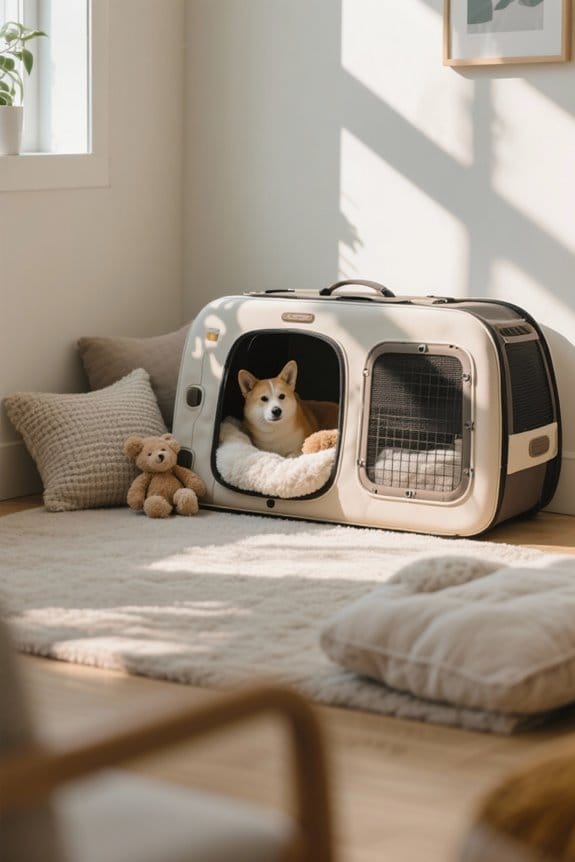
Creating a safe haven within the cat carrier can markedly alleviate anxiety during vet visits. This process begins by turning the carrier into a familiar and inviting space. Soft bedding and familiar toys can encourage comfort and security. Keeping the carrier in a common area of the home helps your cat explore and develop a positive association. Utilizing calming pheromone sprays inside the carrier can enhance a sense of safety during transport. Make certain the carrier is sturdy, with top and front openings for easy examinations while minimizing stress. Ensuring the carrier is airline-approved and meets safety standards not only makes it versatile for travel but also provides peace of mind regarding its quality and durability. Implementing these measures aligns with the Fear Free philosophy, helping to create a calmer experience for both pet and owner.
Recommended Products

FELIWAY Optimum is a patented* pheromone discovery developed by the #1 vet recommended brand to help reduce common signs of stress in cats such as: scratching, urine spraying, conflicts between cats, and excessive hiding.

HELPS REDUCE SIGNS OF STRESS USING A PATENTED PHEROMONE: FELIWAY Optimum is an advanced cat pheromone diffuser that helps reduce signs of stress in cats and helps ease tension between cats.*
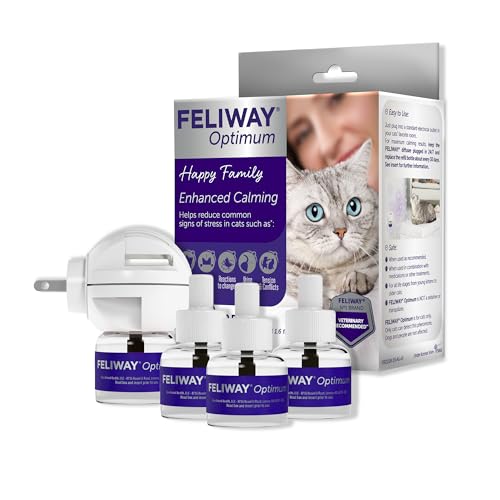
REDUCES COMMON SIGNS OF CAT STRESS: FELIWAY Optimum helps reduce common signs of cat stress such as urine spraying, scratching, fears, and tensions & conflicts. Cat owners reported a 77% reduction in urine spraying, 72% reduction in tension and conflicts, a 73% reduction in scratching, and a 70% reduction in fearful reactions to changes*
Regular Wellness Visits Are a Must
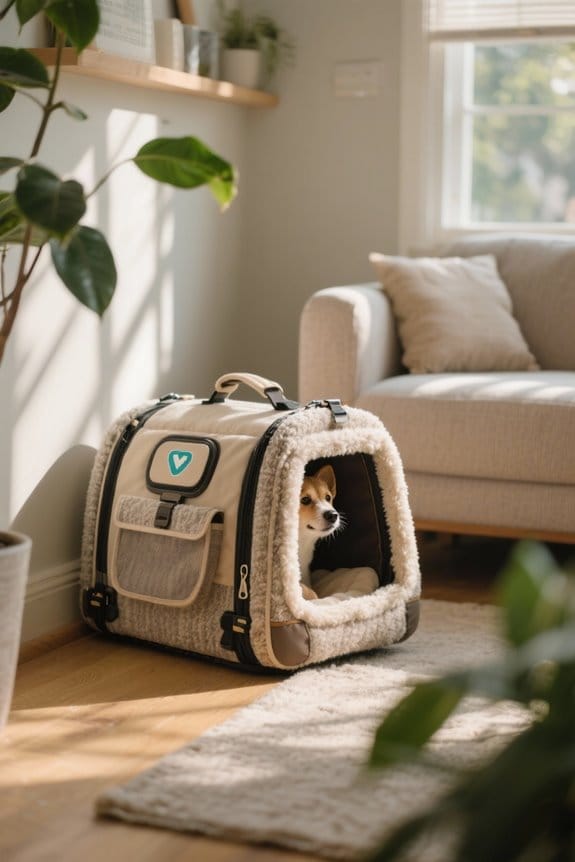
While ensuring a safe and inviting environment inside the carrier is important, the necessity of regular wellness visits cannot be overlooked. Routine check-ups are essential for a cat’s long-term health. Veterinarians recommend at least two visits a year. These visits help identify health issues early and provide vital preventive care, including vaccinations and dental check-ups. Benefits of regular wellness visits include: – Early detection of health problems – Reduced risk of diseases – Establishing positive associations with going to the vet. Moreover, visits help manage stress. Cats that visit the clinic only when sick often develop anxiety. To make the carrier a familiar space, introducing it at home and using it for outings can create a calmer experience when it’s time for the vet. Additionally, ensuring that your pet’s sleeping environment is both comfortable and supportive can contribute to their overall well-being, much like the benefits provided by orthopedic dog beds.
Why Early Cat Illness Detection Is Key
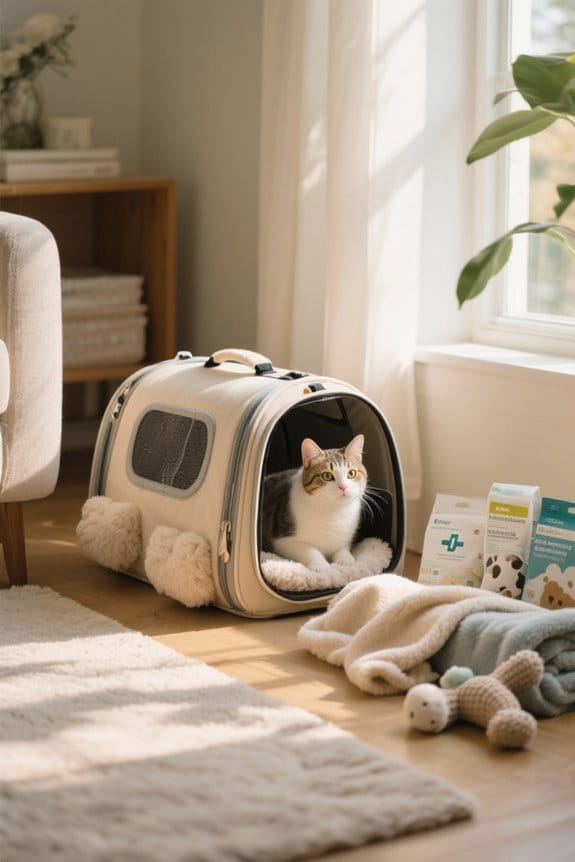
Early detection of cat illness is essential for maintaining a cat’s overall health and well-being. Regular veterinary visits help examine your cat for subtle signs that may signal serious health issues. Some of these signs include:
- Changes in appetite
- Weight loss or gain
- Lethargy
Bringing your cat in for routine check-ups establishes a health baseline. This makes it easier for veterinarians to notice any troubling changes. Early cat illness detection allows for prompt treatment, potentially improving a cat’s lifespan. Additionally, using plush filling in cat beds can provide comfort and support, contributing positively to a cat’s overall well-being. Building a partnership between pet owners and veterinarians enhances overall health management. Regular visits facilitate that your beloved feline receives the care they need, fostering a happier and healthier life.
How Can I Get My Cat to the Vet Without a Struggle?
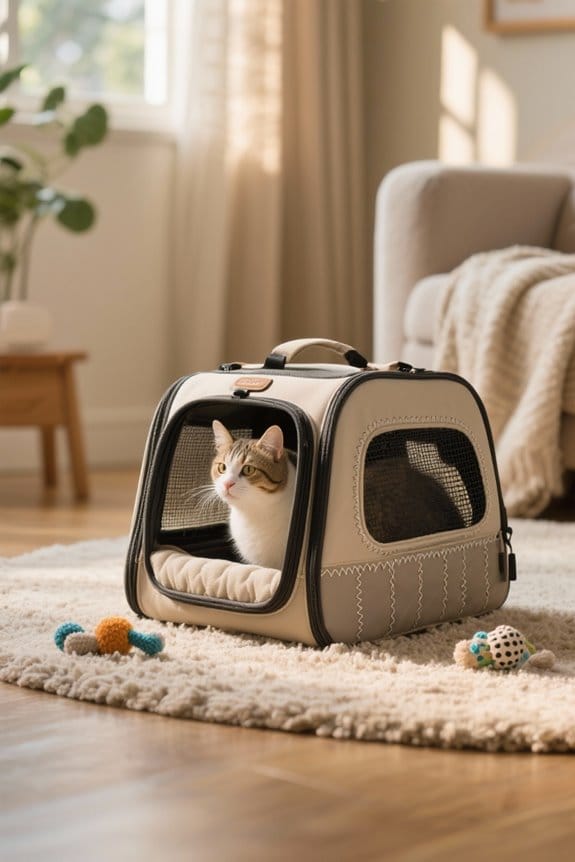
How can a cat owner make a vet visit less stressful for their feline friend? The key lies in preparation. Gradual acclimation to the carrier is essential for getting your cat comfortable. Make the Carrier Accessible: Allow your cat to explore the carrier as a safe space at their own pace. Use Positive Reinforcement: Reward them with treats when they enter, creating a relaxed association. Establish a Routine: Consistent vet visit schedules will help your cat know what to expect. Additionally, consider calming aids like pheromones or soft music to mitigate anxiety. Remember, the goal is to lessen the chances that your cat will become stressed during transport. A little preparation goes a long way in making vet trips smoother and more manageable. For optimal safety during travel, consider using pet carriers with a 5-star crash test rating to ensure your cat’s security.
Recommended Products

IMPROVE YOUR CAT'S BEHAVIOR: The Comfort Zone Diffuser for cats reduces stress and unwanted behaviors like excessive scratching, urine marking, and other disruptive behaviors; Most cats show improved behavior as soon as 1 week

Number 1 veterinarian-recommended cat probiotic brand to support calm behavior (Kantar Veterinary Tracker, 2021), making it an excellent cat supplement

REDUCE MULTI-CAT CONFLICT: Use to reduce aggressive behaviors between cats like swatting, scratching, biting, fighting, hissing, growling, spitting, screaming, non-playful staring, stalking, chasing, and blocking. Most cats saw improved behavior as soon as 1 week
Frequently Asked Questions
Where Is the Safest Place in the Car for a Pet Carrier?
The safest sanctuary for a pet carrier rests on the floor behind the front passenger seat. Carrier placement tips emphasize securing it tightly, enhancing vehicle safety measures with stable pet travel gear for a worry-free journey.
Should I Bring My Dog in a Carrier to the Vet?
Bringing a dog in a carrier to the vet is advisable. Various carrier types provide security, while calming techniques and thorough vet preparation enhance the experience, minimizing anxiety and promoting a smoother visit for both dog and owner.
What Are Some Specific Safety Concerns in a Vet Clinic Setting?
In the chaotic vet clinic, sharp barks echo as unfamiliar scents swirl, creating pet anxiety triggers. Hazards arise from shared spaces, increasing infection transmission risks, leaving sensitive animals feeling vulnerable amidst sterile equipment and bustling staff.
Does My Cat Have to Be in a Carrier to Go to the Vet?
Yes, a cat should be in a carrier for vet visits to guarantee safety. Alternatives exist, but using a carrier is recommended. Incorporating calming techniques and following vet visit tips can further ease the experience.