


Crash testing standards for pet travel carriers are essential for ensuring pets’ safety during car rides. These tests simulate accidents at about 30 MPH, evaluating how well the carriers protect pets. The Center for Pet Safety (CPS) conducts these tests to assess structural integrity and occupant containment. Only five crates have earned CPS certification, showcasing their reliability. Selecting a crash-tested carrier can reduce injury risks for pets and keep both pets and drivers safe. Learn about the different types and their uses next.
Key Takeaways
- Crash testing for pet travel carriers is essential for safety, simulating accidents to evaluate structural integrity and occupant containment.
- The Center for Pet Safety (CPS) conducts standardized crash tests specifically designed for pet carriers and crates.
- Only five carriers and crates have achieved CPS certification, indicating they meet rigorous safety performance requirements.
- Properly securing carriers and crates reduces the risk of injury during accidents, preventing pets from becoming projectiles.
- Understanding the differences between carriers and crates helps consumers make informed choices for pet transportation safety.
What Is Crash Testing?
When it comes to ensuring the safety of pet travel carriers, crash testing plays an essential role. This process simulates vehicular accidents, typically at around 30 MPH, to evaluate how well pet carriers protect animals during sudden stops. The Center for Pet Safety conducts independent testing, focusing on:
- Structural Integrity: How strong and durable a carrier is during a crash.
- Occupant Containment: The carrier’s ability to keep pets secure, preventing them from becoming projectiles.
Different testing methods are used based on whether carriers are placed in back seats or cargo areas. With no U.S. crash-test standards currently in existence for pet carriers, the safety evaluations by CPS help guide consumer decisions regarding safer pet travel options.
Selecting a carrier with auto-locking zippers ensures that pets remain secure even in the event of a crash, providing an additional layer of safety and peace of mind.
Why Crash Tested Crates Are Important
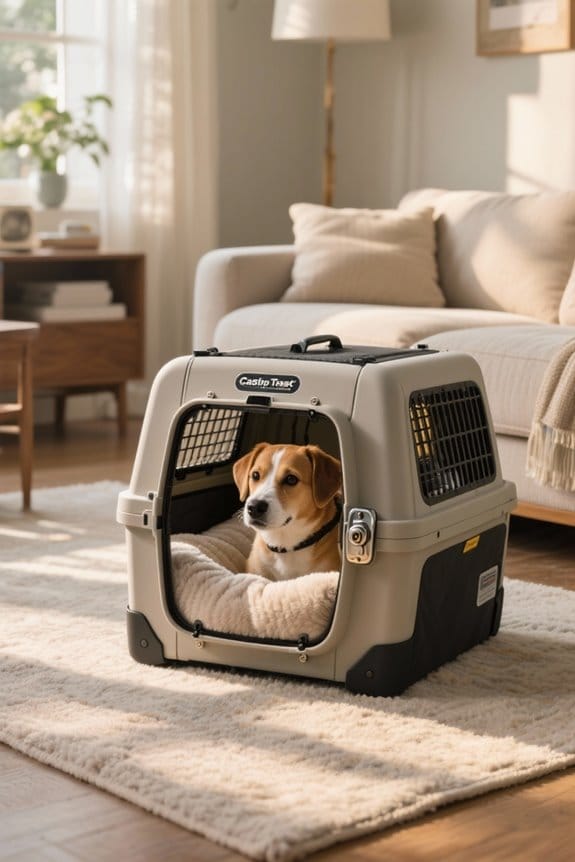
Crash tested crates play an essential role in ensuring the safety of pets during travel, providing a protective barrier in case of an automobile accident. The Center for Pet Safety (CPS) conducts stringent testing to establish performance requirements for pet safety products, highlighting the need for reliable standards. Anti-slip features and sturdy construction are also important considerations for ensuring pet safety during vehicle travel. Only five crates have received CPS certification, underscoring their importance amid numerous options on the market. Properly secured crates, anchored in the vehicle’s cargo area, meaningfully reduce the risk of injury in the case of an accident. Meanwhile, unrestrained pets can become dangerous projectiles, creating a potential hazard for everyone in the vehicle. To travel with your dog safely, choosing a crash tested crate is a critical decision for responsible pet owners.
The Difference Between Carriers And Crates
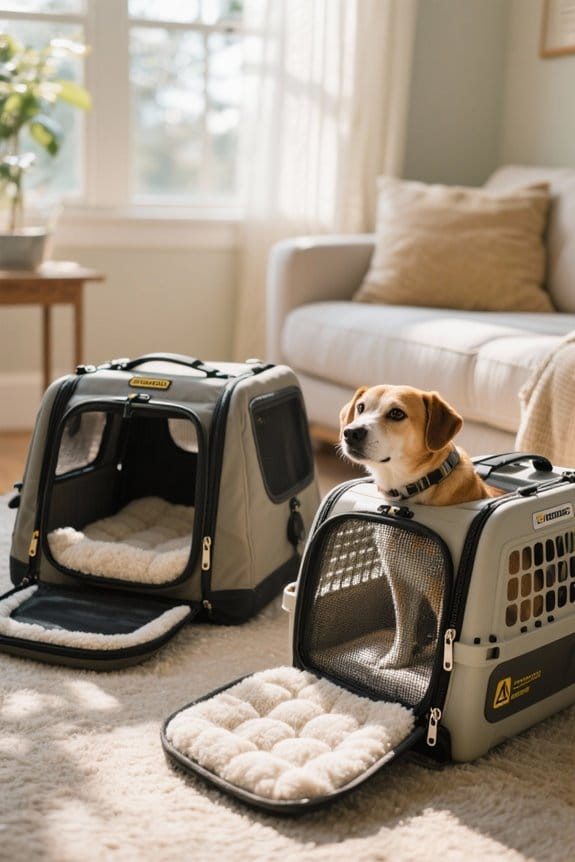
Understanding the difference between carriers and crates is essential for pet owners aiming to transport their furry friends safely.
- Carriers are designed for use in the back seat of vehicles, suitable for smaller pets weighing 30 pounds and under. They often secure with seat belts or latch anchors.
- Crates, on the other hand, reside in the cargo area and accommodate larger breeds. These typically require strength-rated anchor straps for secure attachment.
Both products undergo rigorous testing and receive safety certification from the Center for Pet Safety after ensuring they meet necessary crash-tested pet standards.
Proper labeling and understanding of these distinctions are vital for informed pet transportation decisions. Choosing the right pet product enhances safety and comfort during travel.
When selecting a carrier, it’s crucial to ensure dimensions fit under airline seats and comply with specific airline rules to avoid travel complications.
Recommended Products

Safe car seat carrier for small dogs & cats Compact dog and cat car seat carrier for the front or rear seat of your car, SUV or truck – perfect for small dogs and cats up to 33 lbs. Keeps your pet safely contained instead of roaming or sitting on your lap while driving. TUV tested safety up to 33 lbs Premium car travel crate developed by Swiss engineers and independently tested and certified by TUV for pets up to 33 lbs. Gives you peace of mind on every trip, from quick vet visits to long road adventures.

CRASH-TESTED & TUV CERTIFIED SAFETY — The only dog & cat car seat carrier independently tested and approved by TUV, Europe's most rigorous safety authority. Protects small pets up to 33 lbs on every trip — from quick vet visits to long road adventures. Swiss-engineered for maximum protection.

CRASH-TESTED & TUV CERTIFIED SAFETY — The only dog & cat car seat carrier independently crash-tested and approved by TUV, Europe's most rigorous safety authority. Protects small pets up to 33 lbs on every trip. Box Only — pair with our ISOFIX connector (sold separately) or use the built-in seat belt attachment. Swiss-engineered for maximum protection.
Crash Tested Crates and Carriers
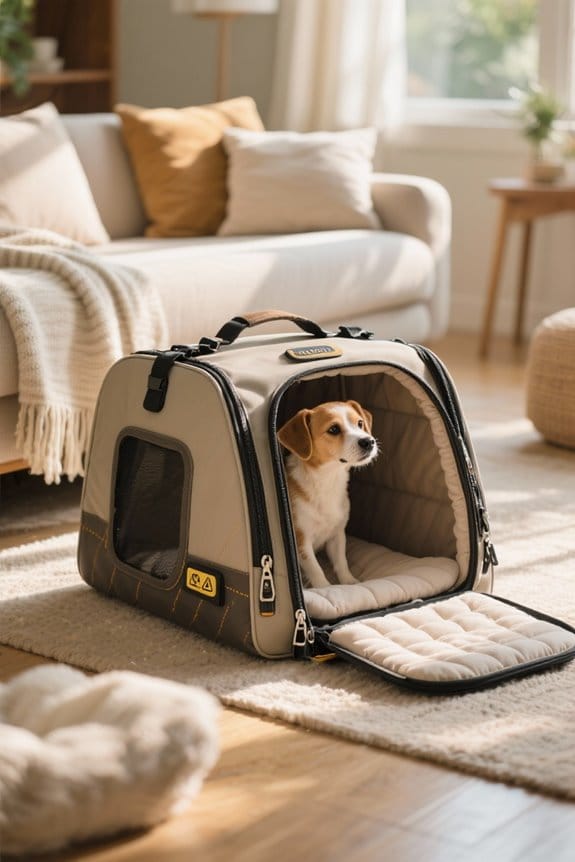
Crates and carriers play a significant role in pet transportation safety, especially during car travel. The Center for Pet Safety (CPS) performs essential crash tests to assess pet crates and carriers, which protect pets from becoming projectiles during accidents. Currently, CPS certification is critical, as there are no standardized crash-test requirements for pet carriers in the U.S.
- Only five crates from three manufacturers have achieved this certification, proving their reliability.
- These models are engineered for different weight limits.
CPS testing simulates crash conditions at around 30 MPH, focusing on structural integrity and occupant containment. Following the manufacturer’s instructions enhances crash protection, ensuring pets stay secure while enjoying the ride. It’s important to consider orthopedic support features when selecting pet travel products, as they may offer additional comfort and safety benefits. Ultimately, CPS certification marks a commitment to higher safety standards in vehicle travel for pets.
Recommended Products

Travel Bag by MOOR NYC a unique luxury made Pet Travel Bag design for dogs or cats

IATA AIRLINE COMPLIANT TRAVEL CRATE: Compliant with the standards specified in the 51st Edition of the IATA Live Animal Regulation for safe, secure air travel—The Kennel features a durable hard-sided exterior plastic shell, steady airflow and visibility built-in, accident moat pulls spills away from your pet’s body, airline-required tie-down holes for added security, reinforced metal hardware, and a strong secure door latch to keep dogs and cats safely contained during air travel.

Travel Carrier: Built-in straps that allow safe connection to a seatbelt; Easy to set up and fold flat in seconds; Pad cover is removable and washable
Help Your Pet Like Their Crash Tested Carrier or Crate
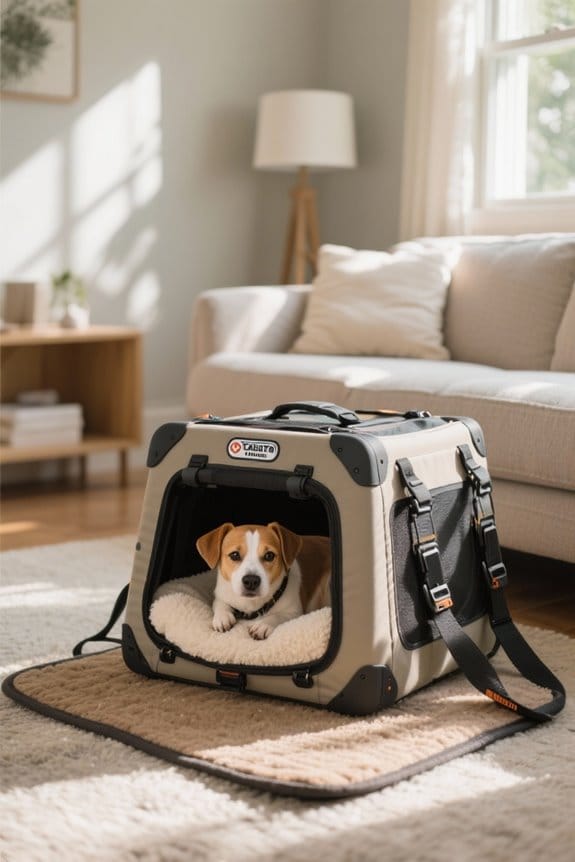
Helping a pet become accustomed to a crash-tested carrier or crate is vital for both comfort and safety during travel. To acclimate your pet effectively:
- Use high-value treats to create a positive association with the carrier.
- Start with brief trips, gradually increasing the time inside.
Secure the crash-tested carrier in the vehicle using seat belts or latch anchors. This prevents your pet from becoming a projectile during an accident. Remember, a 10-pound unrestrained pet can exert an unthinkable force of about 500 pounds.
For ongoing pet safety, regularly review the safety performance of your carrier through the Center for Pet Safety. Many airline approved carriers offer features like breathable mesh and multiple entry points to enhance comfort during travel while maintaining safety. Following these steps guarantees your pet enjoys comfort during travel while remaining safe.
Frequently Asked Questions
What Are the Requirements for an Airline-Approved Pet Carrier?
Airline-approved pet carriers must meet airline regulations on carrier dimensions, ventilation standards, and approved materials. They should include safety certifications, comfort features, secure locking mechanisms, and accommodate baggage fees in compliance with travel requirements for pet safety.
What Crash Test Standards Exist for Dog Harnesses?
Dog harnesses lack standardized crash tests, necessitating independent evaluations for safety certifications. Testing methods assess harness durability and impact resistance, ensuring pet restraint adheres to quality standards and installation guidelines while meeting travel regulations for canine companions.
Are Thule Dog Crates Crash Tested?
Thule dog crates lack verified crash test results, raising concerns about safety ratings. Users should consider carrier durability, design features, and pet comfort, while also exploring alternative brands for ideal pet travel safety based on reviews.
What Size Is a TSA Approved Pet Carrier?
A TSA-approved pet carrier typically measures no more than 18.5 x 8.5 x 13.5 inches, accommodating suitable pet sizes. Airlines enforce pet carrier dimensions, material requirements, and weight limits to guarantee safety and travel comfort.


