
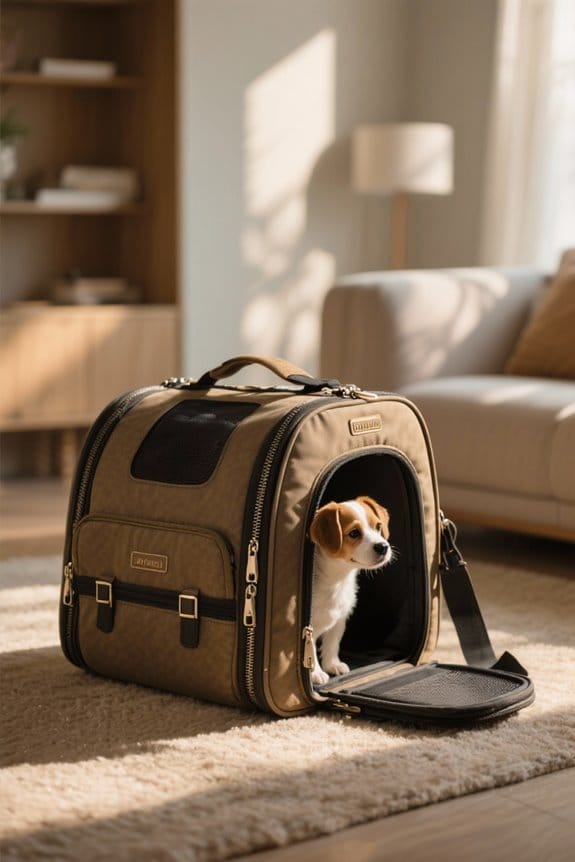

To extend the life of zippers on pet carriers, regular maintenance is key. Owners should inspect zippers for wear and clean them from debris to guarantee smooth functioning. Lubricating with silicone spray enhances performance and prevents jamming. Proper handling is vital; avoid excessive force on the zipper pull. Including a small repair kit with extra pulls and adhesive patches can help manage emergencies during travel. Staying informed can further improve zippers’ longevity and reliability.
Key Takeaways
- Regularly inspect the zipper for wear and damage to catch issues early and extend its lifespan.
- Clean zipper teeth with a soft brush to remove debris that can cause jamming.
- Lubricate zippers with silicone spray to ensure smooth operation and prevent rust.
- Use gentle handling techniques, avoiding excessive force on the zipper pull during use.
- Store pet carriers in cool, dry places to protect zippers from degradation and stiffness.
Importance of Zipper Maintenance
While traveling with pets, the importance of zipper maintenance often goes unnoticed. Proper care for the zippers in pet carriers is essential for their safety and comfort. A malfunctioning zipper can be a serious risk for your furry friend. Key maintenance tips include:
- Regular Inspections: Look for signs of wear or damage to prevent issues.
- Cleaning: Remove dirt and debris to keep the zipper operational.
- Lubrication: Use silicone spray for smooth movement and longevity.
- Gentle Handling: If stuck, avoid forcing it; gently realign or clean first.
- Storage: Keep carriers in cool, dry places to avoid rust.
- Auto-locking zippers prevent escapes during travel, emphasizing their role in ensuring the safety and security of your pet while using a carrier.
Routine Inspection Techniques

Routine inspections are essential for the longevity and functionality of pet carrier zippers. By implementing effective visual inspection techniques, pet owners can identify wear early. Key areas include:
- Seams and Edges: Regularly check for fraying or damage.
- Zipper Test Methods: Operate the zipper multiple times to guarantee smooth function without jamming.
Additionally, wear assessment tips include:
- Cleaning: Remove dirt from zipper teeth using a soft brush.
- Lubrication: Apply zipper wax or silicone spray to enhance glide and reduce friction.
Finally, storing the pet carrier in a cool, dry spot helps prevent material degradation. These inspection techniques help maintain zippers, assuring they remain functional for future adventures with furry companions. Incorporating features like ample ventilation in pet carriers enhances comfort and safety during use, which is crucial for both routine and emergency scenarios.
Cleaning Methods for Zippers

Cleaning the zippers on pet carriers is an essential step in ensuring their longevity and functionality. Regular zipper maintenance frequency can prevent costly replacements. Here are some effective zipper cleaning techniques:
- Soft Brush or Toothbrush: Gently remove dirt and debris to promote smooth movement.
- Mild Soap Solution: Mix soap with water, using a cloth to clean the zipper and surrounding fabric lightly. Avoid excessive moisture.
- Stuck Zipper Solutions: If the zipper becomes stuck, rub a bar of soap or candle along the track to ease functionality.
Always inspect for zipper wear signs, such as fraying or damage. Addressing these issues promptly can extend the zipper’s lifespan and keep the pet carrier usable for years to come. Ensuring secure zippers and clasps is crucial to prevent accidental openings during travel.
Recommended Products

[Dimension]: Overall dimensions: 47.2" L x19.7" W x 23.6" H, Single room dimensions:22.5" L x 19.7" W x 23.6" H, Package size: 25.6" L x 7.9" W x 22.4" H. Note: Please measure the body length and body height of the your pet before purchasing.

Perfect for Indoors & Outdoors: Lesure's waterproof dog bed flaunts a versatile minimalist design, ideal for crates, carriers, outdoor adventure, and travel. Whether it's inside or outside, its neutral aesthetics harmonize perfectly with any decor, offering a stylish yet functional space for your furry friend.

NEW VERSION: Decompression design, upgraded back, increased waist protection design, more comfortable and fit our back, this cat backpack also has shoulder straps, waist, and chest buckle, all help to reduce the burden, even if the long journey does not feel tired, take your pet on a trip now!
Lubrication for Smooth Operation

Zippers on pet carriers perform an essential function, allowing easy access to furry companions. To guarantee they operate smoothly, regular lubrication is vital. The best lubricant types include silicone-based products, which prevent sticking and prolong zipper life. Here are key pointers:
- Cleaning First: Before applying lubricant, clean zipper teeth with a soft brush to remove dirt and debris, guaranteeing peak function.
- Application Techniques: Apply a small amount of silicone lubricant directly onto the zipper track. Use a cloth to spread it evenly.
- Maintenance Frequency: It’s advisable to check and lubricate zippers every few months, or before travel, to maintain smooth operation.
Avoid oil-based lubricants, as they attract grime. Proper alignment during use is essential to prevent wear and guarantee longevity. In addition to lubrication, ensure safety features like anti-escape zippers are checked regularly to maintain a secure travel environment.
Recommended Products

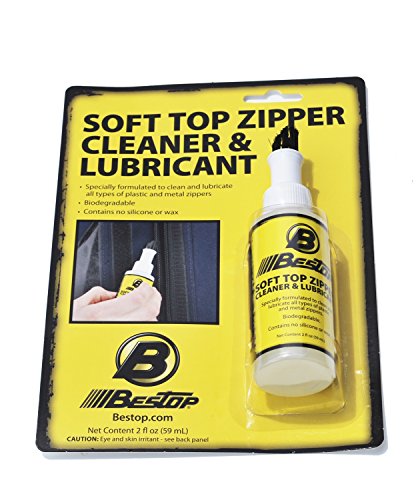
Bestop Zipper Lube is a zippers best friend. Over time, the zippers in any soft top will become sluggish to operate and that's where Zipper Lube saves the day. Lubricates and cleans the zipper for smooth, snag-free operation. Ideal for use on Soft tops and accessories that have zipper closures.
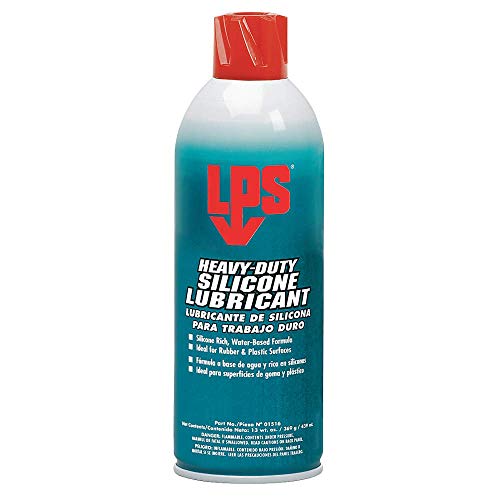
Water-based, silicone rich formula that lubricates and protects rubber, plastic and metal parts
Proper Handling of Zippers

To guarantee zippers on pet carriers last as long as possible, proper handling is essential. Adopting the following practices can prolong the lifespan of zippers:
- Gentle Use: Always use the zipper pull gently to avoid excessive force that can misalign the zipper track.
- Regular Inspections: Check for debris or entanglements, especially before travel, to confirm smooth movement.
- Material Awareness: Be mindful of materials affecting zippers; avoid catching fabric in the teeth when closing.
- Storage: Keep the carrier in a cool, dry place to prevent stiffness from extreme temperatures.
- Lubrication: Consider using a specialized zipper lubricant to maintain functionality and address consumer zipper preferences for ease of use.
- Durability Matters: The material durability impacts the carrier’s longevity and safety, which is crucial for maintaining the quality of zippers over time.
Avoiding Overstuffing the Carrier
Guaranteeing a pet’s comfort and safety in a carrier hinges on avoiding the temptation to overstuff it. Consider the pet carrier dimensions; an L-sized carrier typically measures 19×12×12 inches. Exceeding the maximum weight capacity of 18 lbs can strain the zipper, leading to wear. To prevent this, pet owners should:
- Use weight distribution strategies to balance the load.
- Ascertain pets can sprawl comfortably inside to maintain zipper integrity.
Carefully utilizing the removable plush pad can help reduce friction near the zipper, enhancing its lifespan. Regular inspections of the zipper and avoiding excessive items while traveling are also crucial practices. By prioritizing these pet comfort considerations, the durability of the carrier, especially its zipper, can be greatly extended. For improved joint health, consider using a plush pad similar to those in orthopedic dog beds to further enhance comfort and protect the zipper from strain.
Reinforcing Zipper Pulls
Reinforcing zipper pulls greatly contributes to the overall durability of pet carriers, especially during travel. Strong pulls can prevent accidental openings, essential for securing pets inside. Consider these methods:
- Zipper Types: Opt for self-locking zippers that provide added security.
- Pull Materials: Use heavy-duty materials for pulls, such as nylon or metal, to withstand wear.
- Installation Techniques: Add a keyring or loop to distribute tension evenly, reducing stress on the pull.
Additionally, incorporating a zipper lock or clip can guarantee the zipper remains tightly closed, even if a pet tries to escape. Regular inspection and cleaning of zipper tracks help prevent jams and prolong zipper life, keeping pets safe and secure on the go. Many stylish dog carriers are designed with these features to enhance both their functionality and aesthetic appeal.
Recommended Products

✅VERSATILITY: You can turn the bicycle trailer into a stroller without tools, and experience more adventures with the puppy.

Suitable for large sized dogs (max shoulder height:25 inches and 35 inches of length. PLEASE MEASURE YOUR DOG BEFORE PLACING THE ORDER TO MAKE SURE THE TRAILER CABIN IS LARGE ENOUGH TO FIT YOUR DOG))

Repair Kits for On-the-Go Fixes
A proactive approach to maintaining pet carriers includes being prepared for unexpected issues with zippers. Having a well-stocked repair kit is essential for swift resolutions during travel. As highlighted in the best practices for pet carriers, regularly clean and check the functionality of carriers and seats to maintain their condition.
Recommended Products

REPAIR IN UNDER 30 SECONDS - NO TOOLS OR SEWING REQUIRED: Avoid the cost and hassle of replacing an entire zipper. ZlideOn sliders allow you to repair a broken zipper in less than 30 seconds. Simply select the correct slider, open it, clip it onto your zipper teeth and close, your zipper works instantly. No sewing, no tools and no removing the existing zipper. This fast, DIY solution saves time, money and prevents waste, especially when repairing valuable clothing and travel gear.

3 Black Nickel zipper combo pack: includes 1 size small, 1 size medium and 1 size large
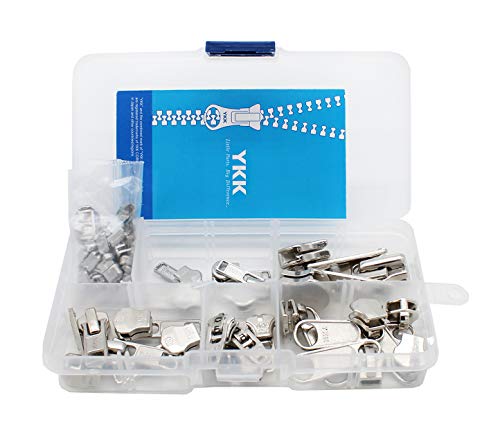
YKK Zipper Repair Kit Solution Metal Assorted Aluminum Slider Easy Container Storage Sets of #3, 4.5, 5, and #10 Include #3, 4.5, 5 and #10 Top - Bottom Stops Both
Repair Kit Essentials
Consider including:
- Extra zipper pulls: Easily replace broken or lost ones.
- Thread and needle: Quick fix solutions for minor rips affecting zipper function.
- Small adhesive patches or fabric glue: Temporarily repair tears to prevent further damage.
Emergency Zipper Tools
Additionally, a pair of pliers may help manage stubborn zippers. A multitool or Swiss Army knife is ideal for adjusting both zippers and the carrier structure. Regular inspections and zipper lubricant application can prolong zipper life. With these tips, any pet owner can confidently tackle zipper mishaps on the go.
Common Zipper Issues and Solutions
Zippers are often the unsung heroes of pet carriers, silently holding everything together. However, common zipper issues such as jamming and unintentional openings can arise, often due to debris or wear over time.
Preventive Measures:
- Regular Cleaning: Guarantee the zipper track is free from dirt and dust.
- Lubrication: Apply a silicone-based lubricant for smooth operation.
Zipper Types:
– Self-Locking Zippers: These reduce the risk of accidental openings, securing tightly when closed.
Design Features:
– Reinforcement: Adding a fabric flap around the zipper enhances durability against wear.
Pet carriers often incorporate non-slip bottoms to prevent unwanted movement, much like the stability features found in castle pet beds. Considering carrier materials and design can help improve zipper longevity. Additionally, using a leash or harness attached to the carrier can prevent escapes during travel moments.
Recommended Products
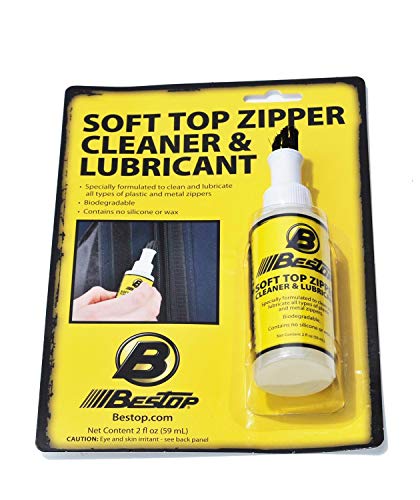
Designed to keep your soft top and accessory zippers in top notch shape

Specially formulated soft top zipper cleaner and lubricant

Mustang YKK Waterproof Zipper Lubricant [MA0094-0-0-101]
Tips for Travelling With Pets
When traveling with pets, several key considerations can secure a smoother journey for both humans and their furry companions.
Carrier Selection Tips
- Choose an appropriate carrier: Verify it complies with travel regulations and is spacious enough for your pet to sit, stand, and turn around comfortably.
- Opt for self-locking zippers: This boosts pet travel safety by preventing accidental openings.
- Ensure the carrier is airline-approved: This compliance not only avoids additional fees but also enhances the travel experience by ensuring the carrier fits under the seat and meets all necessary regulations.
Pet Comfort Consideration
- Regularly inspect the zipper: Look for signs of wear; prevention can save you from unexpected issues.
- Avoid overstuffing: Help maintain zipper functionality and guarantee your pet’s comfort.
Benefits of a Durable Carrier Zipper
Durable zippers are essential components of pet carriers, playing a crucial role in ensuring safety and reliability during travel. High-quality zipper material durability prevents unintentional openings, securing pets and reducing stress.
Key benefits include:
- Self-locking mechanisms: These prevent escapes, providing peace of mind in crowded or unfamiliar settings.
- Zipper size variation: Larger zippers may better withstand aggressive use from anxious pets, making them ideal for active animals.
- Zipper color options: A variety of colors allows pet owners to select carriers that match their style while ensuring functionality is not compromised.
Frequently Asked Questions
Should I Buckle My Cat Carrier?
Buckle the cat carrier for enhanced safety, ensuring secure closure during travel. Choosing carriers with reliable buckles supports zipper maintenance, helping prevent accidental openings and ensuring both pet and owner feel confident throughout their journey.
How Long Can a Dog Stay in a Backpack Carrier?
A dog can typically stay in a backpack carrier for 4-6 hours, depending on dog comfort levels and backpack carrier types. Travel duration limits should consider the individual dog’s health, age, and anxiety for best safety.
What Is a TSA Approved Pet Carrier?
A TSA-approved pet carrier is a secure haven, crafted with robust materials, designed to meet traveling regulations. Featuring self-locking zippers, ventilation mesh, and plush bedding, it guarantees pet comfort while adhering to airline requirements.
Where Is the Safest Place for a Cat Carrier in the Car?
The safest place for a cat carrier in a car is secured in the back seat, adhering to vehicle safety standards. Carrier placement tips prioritize minimized movement while ensuring cat comfort considerations are met away from direct sunlight.


