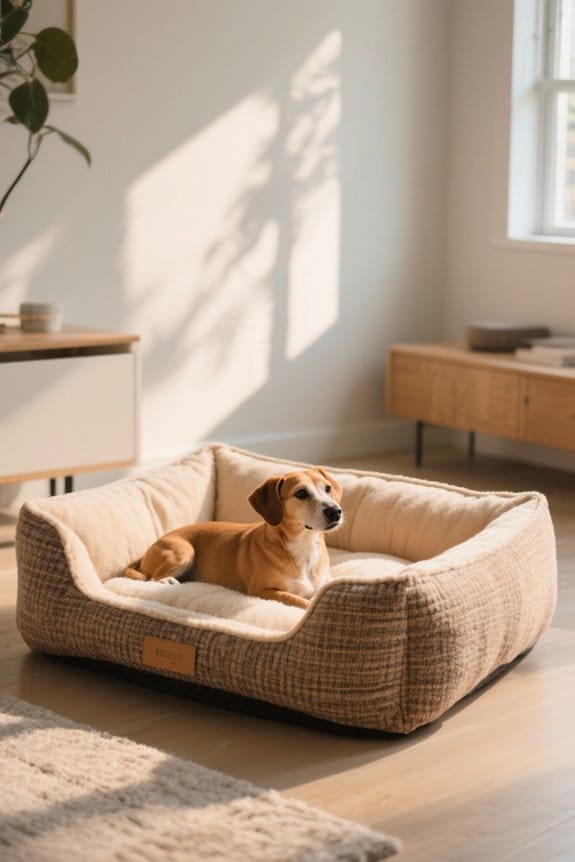
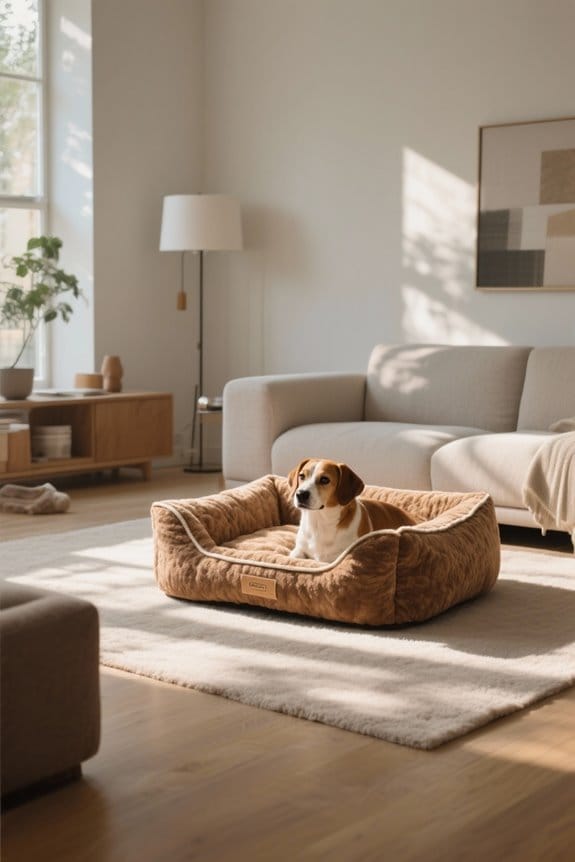
When buying a puppy bed, consider growth patterns to guarantee comfort and support. Puppies gain weight rapidly, so choosing an adjustable bed is wise. Measure from nose to tail base, adding 6-12 inches for growth. Look for materials like memory foam, which adapts to a puppy’s size, while breathable, non-toxic fabrics secure safety. Quality beds may cost more but reduce the need for frequent replacements. Keep exploring to discover more essential tips for selecting the best puppy bed.
Key Takeaways
- Measure your puppy’s nose to tail base, then add 6-12 inches for appropriate bed size to accommodate growth.
- Choose adjustable beds that can grow with your puppy, offering continued comfort through different growth stages.
- Opt for memory foam beds that relieve joint stress and adapt to your puppy’s developing body.
- Select durable, non-toxic materials that withstand accidents and explorative chewing while ensuring safety and comfort.
- Replace beds when they show wear, odors, or fail to provide adequate support as your puppy grows.
Understanding Puppy Growth Patterns
The dynamic nature of puppy growth reveals much about their needs, particularly when it comes to selecting a suitable bed. Puppies grow rapidly, gaining 5-10% of their body weight weekly during the first six months. This requires careful consideration of bed size. For large breeds, oversized beds guarantee comfort as they shift to adulthood. Measure from the tip of the nose to the base of the tail and add 6-12 inches for proper sizing. Different breeds exhibit varying growth rates. Small breeds mature faster than larger ones, so the bed should reflect their eventual adult size. Monitoring growth is vital; improper sizing can lead to joint stress and poor sleep quality. Orthopedic designs are especially beneficial for growing puppies, as they help in easing joint stress and improving sleep quality. Ultimately, an appropriately sized bed for your dog is essential for comfort and health.
Importance of Adjustability in Puppy Beds

When selecting a dog bed, the benefits of adjustability are clear, especially for growing puppies. Adjustable puppy beds provide continued comfort and support as a puppy grows. Their expandable features allow the bed to accommodate size increases without frequent replacements. Key benefits include:
- Removable Panels: Many beds feature removable panels that facilitate size adjustments.
- Prevent Discomfort: These designs help prevent discomfort related to size limitations.
- Better Sleep Quality: By aligning with changing sleep habits, these beds promote better sleep quality.
Investing in an adjustable bed is not just economical; it’s a smart way to guarantee that a puppy evolves smoothly into adulthood. With the right bed, a puppy can enjoy restful sleep through all its growth stages. Additionally, selecting a bed with machine-washable covers ensures easy maintenance and longevity, keeping the bed clean and in good condition as the puppy matures.
Recommended Products
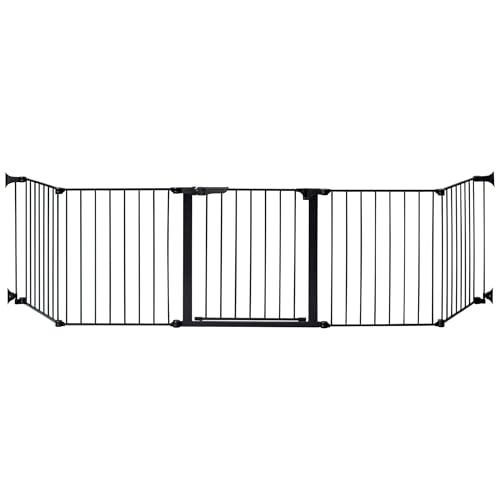
CUSTOMIZABLE FIRE PROTECTION: This unique gate adjusts to fit standard fireplaces & most grills (up to 128" wide) with rotating joints. Keeps your child safe from flames & hot surfaces.

Addressing Joint Pain Through Bed Selection
As an affiliate, we earn on qualifying purchases.

BUILT FOR GIANT BREEDS: Measures 54 x 37 x 45 inches - perfect for the largest of dogs, such as Great Danes, Mastiffs, St. Bernard's & similar breeds. Divider panel not included, so select based on adult size.

Removable mesh dome reveals an everyday pet bed, crash-tested car seat, and carrier that's perfect for travel!
Selecting the Right Material for Comfort

Selecting the right material for a puppy bed can considerably impact a puppy’s comfort and overall well-being. Memory foam is an excellent choice, providing support that adapts to a puppy’s growing body and alleviates joint stress.
In addition, opt for:
- Non-toxic, breathable fabrics: These guarantee safety while helping regulate temperature.
- Water-resistant materials: Perfect for dealing with accidents and easy cleaning.
- Chew-resistant options: Heavy-duty nylon or ripstop fabrics can withstand a puppy’s exploratory nature.
- Soft padding: Creates a cozy space, promoting rest and aiding growth.

Determining Optimal Bed Thickness for Pet Weight
Consider choosing a puppy bed with OEKO-TEX certification to ensure the materials used are safe and non-toxic for your pet’s health.
Recommended Products

Premium Orthopedic Support: One-piece CertiPUR-US memory foam provides therapeutic pressure relief for joints, hips, and spine. Ideal for senior dogs and IVDD-prone large breeds that need arthritis pain relief. The plush, fluffy bolster, filled with a blend of feather silk cotton and PP cotton, gently cushions the neck and head without sagging.

ORGANIC COMFORT AND SUPPORT: Featuring GOLS and FSC certified shredded latex for premium support and 100% organic herringbone cotton, the Organic Dog Bed/Pet Bed is the perfect spot for your furry friend to curl up and nap.

Pressure-relieving memory foam and durable support foam to create a bed that loves Fido back
Choosing Bed Size for Current and Future Needs

Choosing the right bed size for a puppy is crucial, not just for immediate comfort but also for accommodating future growth. To guarantee a fit, measure your dog’s length from the tip of the nose to the base of the tail, then add 6 to 12 inches. A premium dog bed often includes hypoallergenic materials to ensure pet safety and comfort.
- Bed Size Recommendations:
- Standard Small Beds: Suitable for dogs under 20 pounds.
- Medium Beds: Ideal for puppies weighing 20 to 60 pounds.
- Larger Breeds: Opt for slightly bigger beds to prevent frequent upgrades.
A larger bed allows for comfort and a cozy environment. Layering blankets can help puppies feel secure as they adjust to their size, enriching their living space as they grow.
Recommended Products

Waterproof Liner: The bed has a waterproof liner for easy cleaning and protection from spills or accidents.

Size: Alaskan King Comforter - 120"W x 120"L, (4) King Shams - 20" x 36" - Weight approx. 43 lbs

GOTS ORGANIC HEMP, HYPOALLERGENIC KING DUVET: The Delilah Home King Duvet Cover is crafted from 100% organic hemp holding GOTS and Vegan.org credentials, proudly made in Portugal. No harsh chemicals touch this soft duvet cover, making it a resort-quality, naturally hypoallergenic king size bedding option.
Supporting Healthy Sleep Habits

A supportive bed plays a significant role in fostering healthy sleep habits for puppies. By providing a comfortable environment, it guarantees they can rest adequately during critical growth stages. Puppies need 18 to 20 hours of sleep daily; hence, a cozy and inviting puppy’s bed is essential. Orthopedic Features: An orthopedic bed reduces pressure points, enhancing sleep quality. Comfort Matters: A supportive bed allows puppies to stretch out comfortably, promoting better posture. Eco-friendly materials promote sustainability while enhancing comfort, making them an excellent choice for growing puppies. Hygiene Considerations: Choosing clean materials is important for minimizing allergens and promoting overall health. Ultimately, investing in the right bed contributes to a puppy’s physical and mental development, paving the way for a well-adjusted adulthood. Sleep tight, little ones!
Evaluating Orthopedic Features for Joint Support
Evaluating the orthopedic features of puppy beds is essential for ensuring joint support during critical growth periods. Orthopedic dog beds utilize high-density memory foam or quality foam to offer ideal support for a puppy’s developing joints. This helps alleviate pressure points while promoting a healthy posture. When selecting an orthopedic bed, consider:
- Firmness: A balance between comfort and support is important.
- Quality of Foam: Certified quality foam maintains shape and support over time, offering long-term benefits.
- Weight Distribution: Proper weight distribution reduces the risk of musculoskeletal problems later in life.
Puppies sleeping on supportive beds often experience less discomfort and better mobility, contributing positively to their overall health. Investing in an orthopedic bed can be a wise decision for growing pups.
Recommended Products

Durable Memory Foam Construction: Made with high-density memory foam for comfort and support.

Clinically proven benefits: In a University of Pennsylvania School of Veterinary Medicine study, large dogs showed reduced joint pain and improved mobility after sleeping on a Big Barke
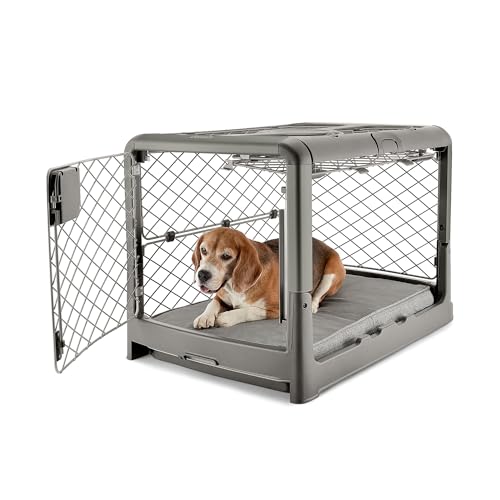
AWARD-WINNING PREMIUM CRATE: Revol is our ultimate collapsible dog crate offering superior design with uncompromising safety and functionality. Built to baby industry safety standards with premium materials, Revol transforms from functional training tool to stylish home furniture that actually enhances your decor.
Common Sleep Positions and Their Implications
Understanding how puppies sleep can offer valuable insights into their needs for comfort and security. Different sleeping styles indicate specific preferences for bed shapes and support.
- Cuddler/Nester: These puppies curl up tightly, favoring cozy, donut-shaped beds.
- Stretcher/Sprawler: Such puppies sleep flat on their sides or backs, needing larger, flat beds to fully stretch.
- Leaner/Lounger: With a tendency to rest their heads on supportive edges, they benefit from beds with elevated sides.
Choosing a bed that aligns with a puppy’s sleeping style is essential. A bed that accommodates growth spurts, slightly larger than their current size, is ideal. After all, comfort and support today will lead to sounder sleep for years to come. Additionally, consider the orthopedic features of the bed, which can provide enhanced support, particularly beneficial as puppies grow into adulthood.
Safety Considerations for Puppy Beds
Guaranteeing the safety of puppy beds is essential for the well-being of energetic and curious pups. When selecting a bed, focus on these key features:
- Materials: Choose beds made from non-toxic materials to prevent ingestion or allergic reactions.
- Design: Opt for beds with rounded edges or bolstered sides to protect against accidental injuries during playful moments.
- Stability: A non-slip bottom helps keep the bed securely in place, reducing slips and falls.
- Maintenance: Look for machine-washable options with removable covers to maintain hygiene and reduce allergens.
- Safety: Avoid beds with small parts that can be swallowed, as puppies often chew and explore their surroundings.
For additional comfort, consider beds that feature high-density foam, which provides ultimate support and is beneficial for joint health, especially for older dogs. These considerations guarantee a safe haven for your lively pup to rest and recharge.
Maintenance and Cleaning for Longevity
Maintaining the cleanliness and integrity of puppy beds is as important as their safety features. Regular cleaning not only helps eliminate odors and allergens but also guarantees the bed lasts longer. Aim to clean the bed at least once a week, especially if the puppy is messier. Key Tips: – Removable Covers: Choose beds with removable, machine-washable covers for easy maintenance. – Stain-Resistant Fabrics: Opt for materials that resist stains and odors to minimize cleaning hassle. – Spot-Cleaning: For minor accidents, use mild detergents to spot-clean effectively. – Inspection: Regularly check for wear and tear. A well-maintained bed can last 1 to 5 years, providing support without compromising hygiene. Consider using waterproof liners to protect foam from accidents and prolong bed life. Ultimately, proper maintenance contributes greatly to the bed’s longevity.
Signs Your Puppy Bed Needs Replacement
Puppy beds, like many pet products, often require periodic replacement to guarantee ongoing comfort and support. Recognizing when to replace the bed enhances your dog’s sleep and overall well-being. Consider the following signs:
- Visible Wear: Holes or flattened areas indicate a lack of support.
- Odor: A lingering smell suggests bacteria buildup, necessitating a new bed for hygiene.
- Size Constraints: If your puppy struggles to fit comfortably, upgrade to accommodate their growth.
- Signs of Discomfort: Observe for restlessness or difficulty sleeping; these could mean the bed lacks necessary support and comfort.
- Material Resiliency: If the bed’s padding is flattened, replacing it is essential to avoid potential joint issues as your puppy grows.
- Consider beds made from military-grade materials for durability, especially if your puppy is an aggressive chewer.
In these situations, it’s time to replace the bed.
Cost vs. Value: Investing in Quality
When it comes to selecting the right bed for a growing puppy, understanding the concept of cost versus value is key.
- Investment in Quality: Choosing a bed made of durable materials, like orthopedic foam, can greatly enhance comfort and support.
- Joint Pain Prevention: A quality bed reduces the risk of joint pain as puppies grow, contributing to long-term health.
- Long-Term Costs: While a cheaper bed may seem attractive initially, it often lacks durability and requires replacements, ultimately increasing long-term costs.
The value of a premium bed becomes evident when considering warranties that reflect confidence in product quality. By prioritizing value over upfront cost, pet owners make a wise investment in their puppy’s well-being and comfort—one that pays off in the long run.
Recommended Products

Clinically proven benefits: In a University of Pennsylvania School of Veterinary Medicine study, large dogs showed reduced joint pain and improved mobility after sleeping on a Big Barker orthopedic dog bed.

Durable Ripstop Ballistic Cover: The heavy-duty cover will withstand scratching, digging, and occasional mouthing or chewing. Great for dogs that like to get a little rough with their beds! Please note that this is not a chew proof bed and it is not recommended for dogs that chew heavily or constantly on their bedding.

Clinically proven benefits: In a University of Pennsylvania School of Veterinary Medicine study, large dogs showed reduced joint pain and improved mobility after sleeping on a Big Barker orthopedic dog bed.
Tips for Testing Puppy Beds Before Purchase
Selecting the perfect bed for a puppy demands careful consideration and hands-on testing to guarantee a comfortable choice.
- Determine Bed Size: Measure the puppy from nose to tail base, then add 6-12 inches for future growth.
- Test Firmness and Support: Press down on the bed to assess its thickness and firmness. An orthopedic or memory foam bed can provide essential support as the puppy matures.
- Evaluate Cushioning: Look for beds with ample cushioning for comfort, especially for active puppies.
- Consider Types of Beds: Determine if the puppy prefers a donut-shaped bed for coziness.
- Cleaning Ease: Choose beds with removable covers for easy cleaning, as puppies are known for their messiness.
Frequently Asked Questions
What to Consider When Buying a Dog Bed?
When buying a dog bed, one should consider puppy comfort, bed materials, hypoallergenic options, orthopedic support, washability factors, durability standards, and budget considerations, ensuring appropriate size adjustments for future growth and individual sleeping preferences.
What Size Bed Should I Get for My Puppy?
To guarantee comfort during puppy growth, one should choose a bed larger than necessary, accounting for breed size and sleeping habits. Consider ideal bed dimensions, material options, and future adjustments, assuring ample space for relaxation.
What Type of Dog Bed Do Vets Recommend?
Veterinarians recommend orthopedic dog beds with support levels that enhance puppy comfort, featuring chew resistance and temperature regulation. Washable materials and size adjustment are essential for maintaining hygiene and accommodating growth throughout the puppy’s development.
What Type of Bed Is Best for a Puppy?
A puppy’s ideal bed resembles a soft cloud, providing comfort with memory foam and orthopedic support. Durable fabrics, washable materials, and portable designs guarantee practicality, while elevated beds and heated options cater to diverse needs.