


Heated beds provide essential warmth for pets during winter months, featuring important safety mechanisms. Key components include low-voltage heating elements to avoid overheating and automatic shut-off features to reduce fire risks. Chew-resistant cords protect against electrical hazards and guarantee durability. Proper temperature regulation further prevents burns and discomfort. Selecting high-quality heated beds with these safety features is vital for pet well-being. For pet owners and community members, understanding these elements guarantees safe and effective heating solutions for furry friends. Continue on to learn more about heated bed options and tips.
Key Takeaways
- Low-voltage heating elements prevent overheating, ensuring a safe temperature for pets during winter months.
- Automatic shut-off mechanisms minimize fire hazards by turning off the bed after a certain period.
- Chew-resistant cords reduce the risk of electrical issues caused by pet chewing or pulling.
- Thermostatic controls maintain safe and comfortable temperatures for pets, preventing burns or discomfort.
- Safety certifications indicate compliance with established safety standards, ensuring reliability and peace of mind.
Importance of Heated Beds for Pets
As winter approaches, pet owners need to remember that keeping their furry friends warm is vital for their health and comfort. Heated pet beds play an essential role in making certain pets stay cozy during colder months, particularly in regions like Sydney where temperatures can drop considerably. These beds offer relief for pets with joint pain or arthritis, promoting better sleep and overall well-being. Key benefits of heated pet beds include:
- Enhanced circulation for senior pets and small breeds.
- A comforting environment for recovery from surgery or illness.
Additionally, heated beds are designed with important safety features such as low-voltage heating elements and chew-resistant cords. These features guarantee that pets enjoy warmth without compromising their safety during winter nights. Furthermore, UL-certified products ensure additional safety with their protective structures and auto shut-off timers, making them a reliable choice for pet owners seeking peace of mind.
Understanding How Heated Beds Work
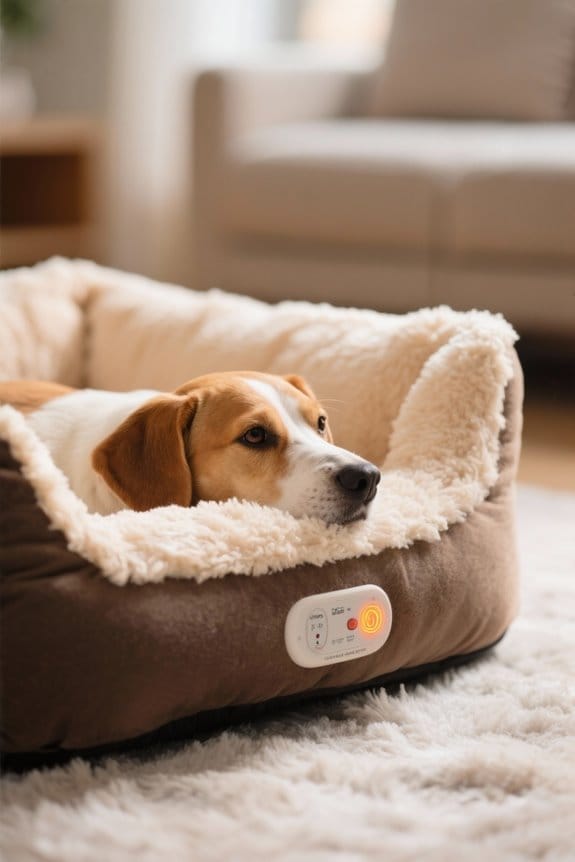
Heated beds are designed to provide warmth and comfort for pets, utilizing various techniques to achieve their cozy effects. These beds typically feature a built-in heating element or pad powered by electricity or incorporate thermal insulation.
- Electric Heated Beds: These beds come with adjustable temperature controls and safety features like auto-shutoff to prevent overheating.
- Self-Warming Beds: These heated cat beds use thermal materials to reflect a pet’s body heat, creating warmth without electricity.
High-quality options often include chew-resistant cords and thermostatic controls for safe operation. Chew-resistant cords are crucial to prevent accidents and ensure the safety of pets using heated beds. Regular maintenance, such as inspecting cords for wear, is essential. By understanding how these heated beds function, pet owners can keep their furry friends warm while ensuring their safety.
Essential Safety Features of Heated Beds
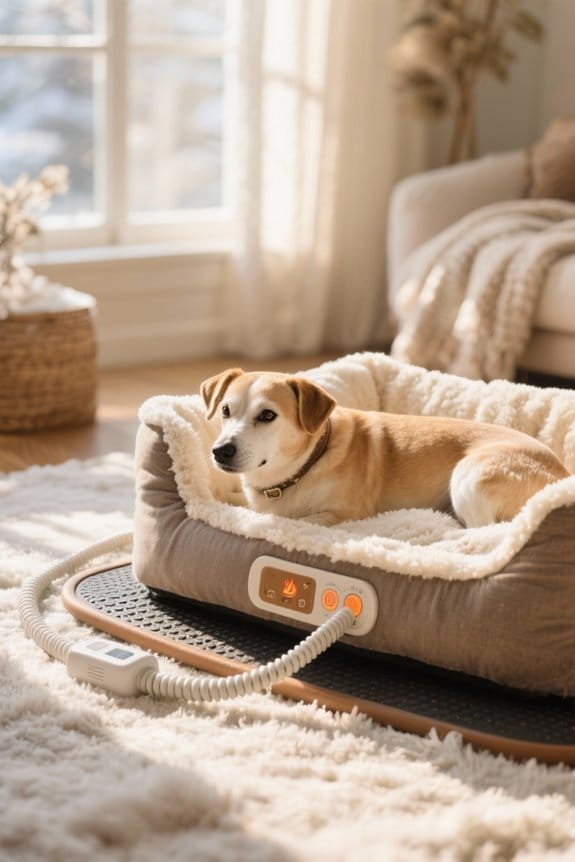
When considering pet comfort and safety, understanding the crucial safety features of heated beds is important. These products are designed with specific features to guarantee heated beds are safe for use.
- Low-Voltage Heating Elements: These prevent overheating, making it safer for pets.
- Automatic Shut-Off: This feature deactivates the heat after a set period, reducing fire hazards.
- Chew-Resistant Cords: Standard in most models, they minimize the risk of electrical issues from curious pets.
- Safe Temperature Regulation: Systems maintain comfortable surface temperatures without burn risks.
- Safety Certifications: Look for models that meet or exceed UL requirements, ensuring reliability and quality.
- Consider heated beds with adjustable temperature settings as they enhance comfort while maintaining safety standards.
These essential features help assure that heated beds contribute to a cozy and safe environment for pets during cold months.
Recommended Products

4 Motors Flexible Adjustment: Boasts ultra-adjustable design for unrestricted user positioning, featuring 24-35.4 in height adjustment, 0-90° angle adjustment and 15°/5° forward & backward tilt; supports 0-180° full rotation (90° left & 90° right) for all-directional flexibility, plus built-in ambient lighting to elevate the spa experience

[Unbeatable Power & Productivity] With a powerful 40W (40,000mW) laser, this advanced laser cutter and engraver machine slices through 18mm cherry wood as easily as butter in a single pass. Engrave at blazing speeds up to 600mm/s on a spacious 23.93" x 15.16" bed—perfect for large projects like door signs or up to 119 dog tags in one go.

[Unbeatable Power & Productivity] With a powerful 40W (40,000mW) laser, this advanced laser cutter and engraver machine slices through 18mm cherry wood as easily as butter in a single pass. Engrave at blazing speeds up to 600mm/s on a spacious 23.93" x 15.16" bed—perfect for large projects like door signs or up to 119 dog tags in one go.
Safe Temperature Regulation Methods
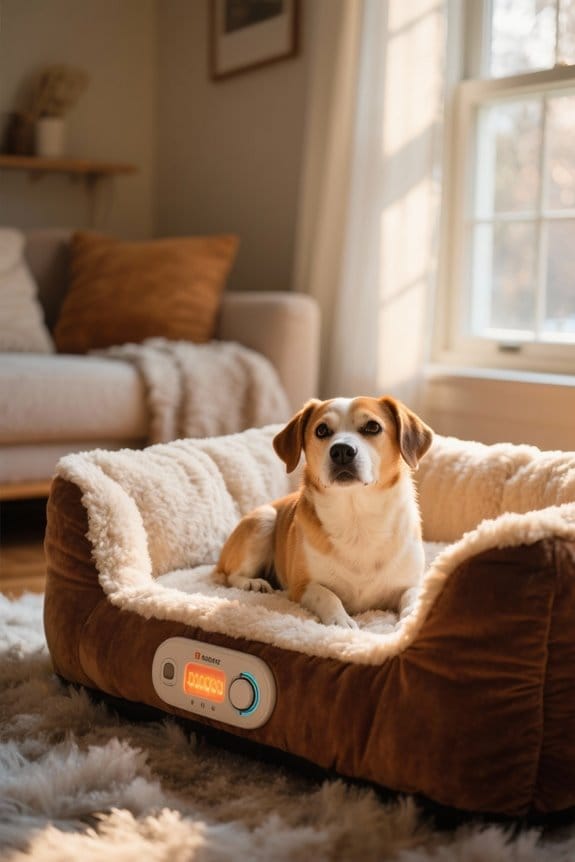
What methods guarantee safe temperature regulation in heated pet beds? Several essential features secure ideal comfort without compromising safety.
- Thermostatic Controls: These regulate the temperature, aiming for around 102°F, which is perfect for pets.
- Automatic Shut-Off Mechanisms: This feature prevents continuous heating, reducing fire risks dramatically.
- Chew-Resistant Cords: Protects against electrical hazards, especially crucial with curious pets around.
- Regular Monitoring: Confirming the bed functions correctly is important, especially during the colder winter months.
- Safety certifications: Products that are UL or MET certified guarantee compliance with safety standards, providing peace of mind for pet owners.
These temperature regulation methods work in harmony to maintain a safe, heated environment for pets. Employing these features allows pet owners to relax while their furry friends enjoy warmth and comfort. Keeping pets safe can be easy and straightforward with the right heated bed options.
Recommended Products

HEATIT warm mat was used underneath of many popular flooring material such as ceramic tiles, natural stones, wood, and so on. One piece 100 sq. ft. mat consists of a heating cable secured with double-sided tape onto a fiber-glass mesh.

Convenient to Set and Easy to Read LED Digital Temperature Control with On/Off Button is accurate to 1/8 degree of set point
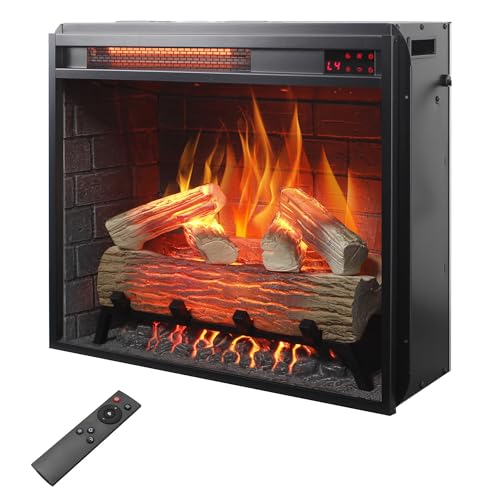
Electric Fairplace with CSA/UL certification ensures long time services and user's safety,can be sold in the U.S. and Canadian markets
Selecting High-Quality Heated Beds
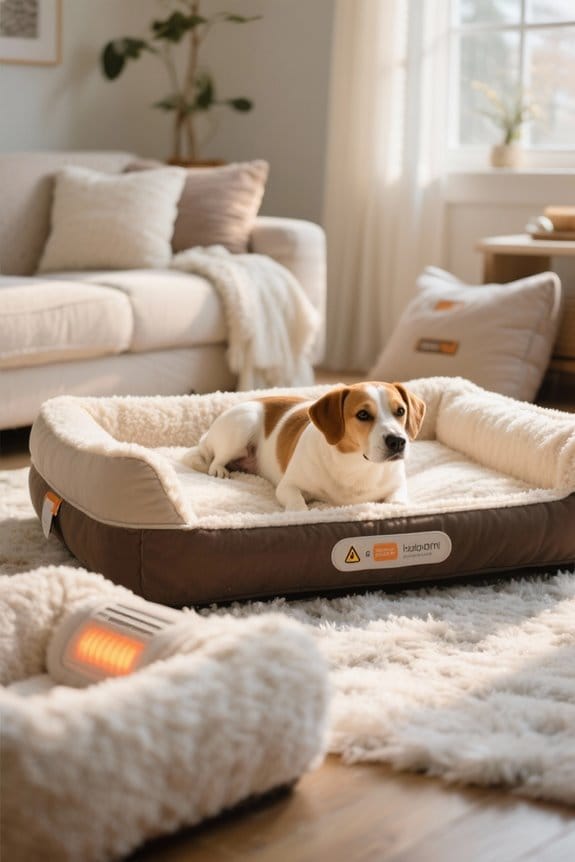
Selecting a high-quality heated bed for pets requires careful consideration of several key factors.
- Auto-Shutoff Features: Prioritize models with auto-shutoff functions to prevent overheating, safeguarding pet safety during use.
- Chew-Resistant Cords: Look for beds that incorporate chew-resistant cords, minimizing electrical hazards for curious pets prone to chewing.
- Thermostatic Controls: Opt for heated beds with thermostatic controls, which maintain safe temperatures around 102°F when occupied.
- High-Quality Materials: Choose beds made from durable materials offering insulation, preventing heat loss and enhancing comfort.
- Pet-Specific Design: Confirm the heated bed is designed specifically for pets, as human beds lack essential safety features to avoid burns or shocks.
- For a cozy winter experience, consider self-heating beds that utilize insulation materials to reflect body heat, eliminating the need for electricity while ensuring warmth and safety.
Recommended Products

【Year-Round Ambiance with Flame-Only Mode & Full Remote Control】Enjoy ultra-realistic 3D flame effects with or without heat – perfect for year-round ambiance. The included remote control lets you adjust flame brightness (5 levels) and choose from 15 vibrant LED colors (plus 12 flame modes). Perfect for living rooms, bedrooms, and home offices.

VERSATILE INSTALLATION & REALISTIC AMBIANCE:Supports both recessed and wall-mounted installation, no complicated renovation needed—perfect for living rooms, bedrooms, or media walls. Features ultra-realistic flame effects that mimic real wood-burning fires, paired with included crystal and small charcoal accessories to enhance visual appeal, creating a cozy atmosphere year-round.

Consistent Infrared Warmth for Large Rooms — 1500 watts of EdenPURE CopperPLUS infrared power delivers comfortable warmth for spaces up to 1000 sq ft, ideal for living rooms, bedrooms, and home offices.
Proper Bed Placement for Safety
Proper placement of heated beds is just as important as selecting high-quality models for ensuring the safety and comfort of pets. Pet owners should consider the following guidelines for proper bed placement:
- Choose Dry Locations: Place beds in sheltered areas to protect from moisture, which can damage electrical components.
- Avoid High-Traffic Zones: Set beds away from busy areas to prevent accidental damage and provide pets with a peaceful space.
- Use Waterproof Cords: Route electrical connections safely to limit exposure to elements and reduce short-circuit risks.
- Regular Inspections: Keep the area clear of debris to avoid damage to cords and enhance safety.
- Ease of Exit: Position beds where pets can easily leave if they get too warm, allowing them to regulate their comfort.
- Consider using self-warming designs as a non-electric option to enhance safety by minimizing electrical hazards.
Monitoring and Inspecting Heated Beds
When pets settle into their heated beds, it’s crucial to monitor their environment for safety and comfort. This includes regular inspections and careful monitoring to prevent potential hazards. Key Monitoring Steps: – Inspect Cords and Heating Elements: Look for fraying or damage that could cause overheating. – Temperature Checks: Regularly monitor the heated bed’s temperature during initial use to verify it remains safe. – Automatic Shut-off Feature: Periodically test this feature to confirm it functions correctly, minimizing fire risks. – Watch Your Pet: Keep an eye on their behavior for signs of discomfort or overheating. Remember: A heated bed should be placed in a dry area to avoid electrical malfunctions. Regular monitoring creates a safer, cozier environment for pets. When selecting a heated bed for travel, consider options that are lightweight and foldable, ensuring they are easy to transport and store.
Risks of Using Unsafe Heating Products
Using unsafe heating products can expose pets to dangerous risks, especially if these items aren’t designed with animal safety in mind.
- Human Electric Blankets: These can overheat, leading to burns or overheating in furry friends.
- Heating Pads: If pets chew on cords, the risk of electric shock could arise, which is a serious concern.
- Non-Pet-Specific Products: Without safety features like automatic shut-off, these items can become hazardous.
Selecting heated products with CertiPUR-US certified materials can ensure that they are safe and free from harmful chemicals. Choosing heated products for pets that are energy efficient can greatly reduce these risks. Regular inspections of cords and heating elements help prevent accidents. Remember, safety first for those curious critters!
Recommended Products
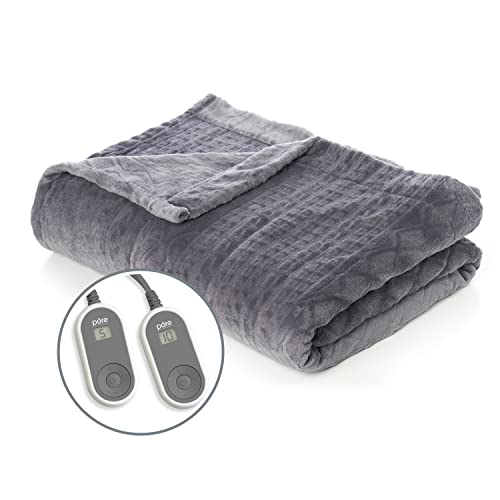
Luxurious Micromink Velvet: Our buttery soft textured pattern feels warm and cozy while adding a stylish touch to your bedroom décor

INFRARED DEEP HEAT FOR COLD DAYS: This heated blanket uses advanced infrared technology to provide soothing, deep warmth. The plush blanket is the perfect everyday companion for cozy moments and cold winter days.

FAST & EVEN HEATING - This electric blanket features advanced heating technology to quickly warm your bed. Equipped with evenly distributed wires, it ensures consistent, uniform heat and top safety for your peace of mind
Recommendations for Outdoor Heated Beds
How can pet owners make sure their furry friends stay warm and safe outdoors during cold weather? Choosing the right heated beds is essential. Here are some recommendations for pet parents:
- Safety Features: Opt for heated beds with chew-proof cords and automatic shut-off to prevent overheating.
- Waterproof Construction: Select models that can withstand moisture to maintain warmth during harsh conditions.
- Energy Efficiency: Look for energy-efficient options to minimize operating costs while guaranteeing consistent warmth.
- Regular Inspections: Check heated beds regularly for frayed cords and assess temperature control for safe usage.
- Added Insulation: Incorporating straw bedding into the heated beds can boost warmth and comfort.
- Consider non-electric heating technology for added safety and to eliminate electrical hazards.
These features guarantee outdoor heated beds meet the needs of pets while providing warmth and safety when it matters most.
Recommended Products

MATERIAL: Performance cotton-polyester blend canvas, using BCI cotton and recycled pet bottle poly fiber

Realistic Artificial Grass: Grass Height about 1.38" in length, high-density artificial grass. With 4-tone Color, soft and lush and the thatch looks & feels like real natural grass. Providing you with Year round Green and turf enjoyment, perfect for all indoor and outdoor projects.

Crafted using drop stitch and double point Wilton weaving for fine detail, soft texture, and rich visual depth with 0.393" pile height that offers soft luxury underfoot—comfortable, resilient, and refined for indoor living spaces.
Tips for Introducing Heated Beds to Pets
Introducing a heated bed to a pet can be a smooth process, provided the pet owner approaches it with care and consideration. Here are some effective tips to guarantee comfort:
- Familiar Bedding: Place your pet’s current bedding on the heated bed. This creates a sense of safety and familiarity.
- Pace Matters: Allow pets to explore the heated bed on their own terms. Forcing them may cause resistance.
- Positive Reinforcement: Use treats or favorite toys around the bed. This technique fosters positive associations and can encourage usage.
- Observe and Adjust: Monitor how your pet interacts with the heated bed. Assure they are comfortable with the heat and adjust settings if needed.
Consider options like the K&H Thermo-Kitty Bed which is not only safe but also energy efficient, operating at only 4 watts.
Sensitive pets may quickly seek the soothing warmth, especially in colder months, enhancing their overall comfort.
Community Efforts for Feral Cat Safety
What steps can communities take to enhance the safety of feral cats during cold weather? One effective strategy is to provide heated beds, which can maintain temperatures 10 to 15 degrees warmer than the surrounding air. This is particularly beneficial for senior and recovering feral cats, reducing risks of hypothermia.
Key features for these heated beds include:
- Chew-proof cords for durability
- Automatic shut-off mechanisms for safety
Additionally, regular monitoring of heated beds allows caretakers to observe cats more closely. This can lead to early intervention for health issues.
Communities can also improve TNR (Trap, Neuter, Return) efforts by offering warm trapping areas. These enhanced conditions make feral cats more likely to participate, contributing to healthier feline populations.
Frequently Asked Questions
How to Make Your Bed Warmer in Winter?
To make a bed warmer in winter, one can enhance bed insulation with thermal blankets, ensuring a cozy, snug environment. Layering soft bedding and using flannel sheets can also contribute to maintaining warmth throughout cold nights.
Are Heated Beds Safe for Dogs?
Heated beds are generally safe for dogs, emphasizing heated bed safety and dog comfort. These beds feature low-voltage heating elements, automatic shut-offs, and chew-resistant cords, ensuring warmth without overheating or posing electrical hazards. Regular inspection is advised.
How to Use an Electric Blanket on Bed in Winter?
To use an electric blanket safely, always lay it flat, check its materials for wear, and follow the manufacturer’s guidelines. Emphasizing electrical safety, individuals should prioritize the blanket’s condition and adhere to recommended practices for ideal warmth.
How Do Self-Warming Beds Work?
Self-warming beds utilize self-heating technology that reflects a pet’s body heat, facilitating natural temperature regulation. By creating a warmer microclimate without electricity, these beds guarantee comfort while minimizing risks associated with electric heating options.


