Oxford cloth and nylon each have unique traits that make them suitable for different types of carriers. Oxford cloth is known for its comfort and moderate water resistance, making it ideal for daily casual use. In contrast, nylon is lightweight, incredibly strong, and naturally water-resistant, excelling in demanding situations. This makes nylon the go-to choice for tactical applications or rugged environments. Understanding these differences can help one select the right material for their carrying needs, leading to better choices ahead.
Key Takeaways
- Oxford cloth offers moderate water resistance and comfort, making it ideal for everyday use and casual carriers.
- Nylon is lightweight, abrasion-resistant, and excels in demanding environments, providing superior durability for tactical applications.
- While Oxford cloth is cost-effective for standard bags, nylon’s higher tensile strength makes it last longer in rugged conditions.
- Oxford cloth is comfortable with a soft texture, enhancing user experience during travel, while nylon focuses on extreme performance.
- Choosing between materials depends on user needs; Oxford cloth suits casual use, while nylon is better for harsher conditions.
What Is Oxford Cloth?
Oxford cloth grabs attention with its distinctive basketweave pattern, creating a fabric known for both durability and comfort. This versatile material is commonly made from nylon, polyester, or cotton, offering strength for a range of applications. Oxford cloth is especially favored for casual clothing, shirts, and outdoor gear. Some key points about Oxford cloth include:
- Durability: The basketweave structure combines multiple threads, enhancing toughness.
- Water Resistance: When treated with polyurethane coatings, it can resist water, making it suitable for carriers.
- Versatility: Available in various specifications like 210D and 420D, it can be adapted for different uses.
Eco-friendly materials like organic cotton and recycled fabrics promote sustainability and can also be used in the production of Oxford cloth, aligning with environmentally responsible practices.
Characteristics of Oxford Cloth

The characteristic features of oxford cloth make it a popular choice for various applications. Oxford fabric is known for its unique basketweave pattern and good durability, making it comfortable yet resilient. Key characteristics include: – Breathability: Guarantees comfort in various climates. – Good waterproof performance: Often treated with polyurethane for enhanced water resistance, ideal for outdoor gear. – Abrasion resistance: Stands up to daily wear and tear better than many fabrics. Oxford cloth is also utilized in well-ventilated carriers to enhance comfort during travel. Though the nylon vs polyester debate continues, oxford cloth often emerges as a cost-effective option for mass-market products. It is versatile, available in blends of materials like polyester and nylon, balancing performance and affordability in everyday items such as shirts and backpacks.
Recommended Products

[All-in-One Solar Backpack Power Station] - The all-in-one backpack power system includes a 512Wh power station, a 60L backpack and a 100W solar panel, enabling you to replenish this backpack power station from 0-80% in 4.1 hrs.

【PARTY FAVORITES】This Unique 18ftx15ftx15ft Inflatable Nightclub Is Perfect,CAPACITIES: About 15-20 people For All Kinds Of Events—Celebrations, Including Celebrations, Christmas Parties, Birthday Parties, Private Events, Weddings, Charity Events, Baptisms, Corporate Functions, And More! It Provides Guests With A Comfortable And Stylish Space To Enjoy The Party Fully!
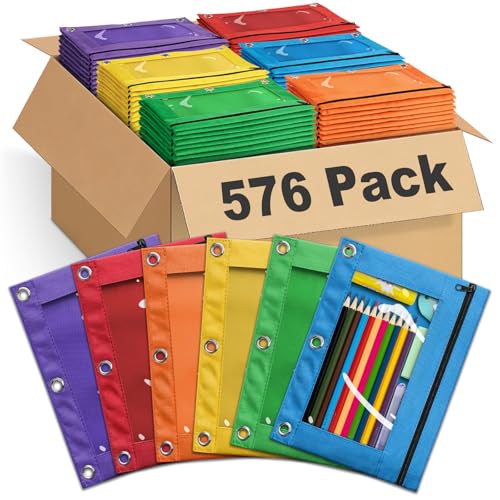
Great Value Pack - The package contains 576 colorful pencil pouches in 6 colors(with 48 pouches each of purple, orange, red, yellow, sky blue, and green), which can meet your needs for the office supplies.
What Is Nylon Fabric?
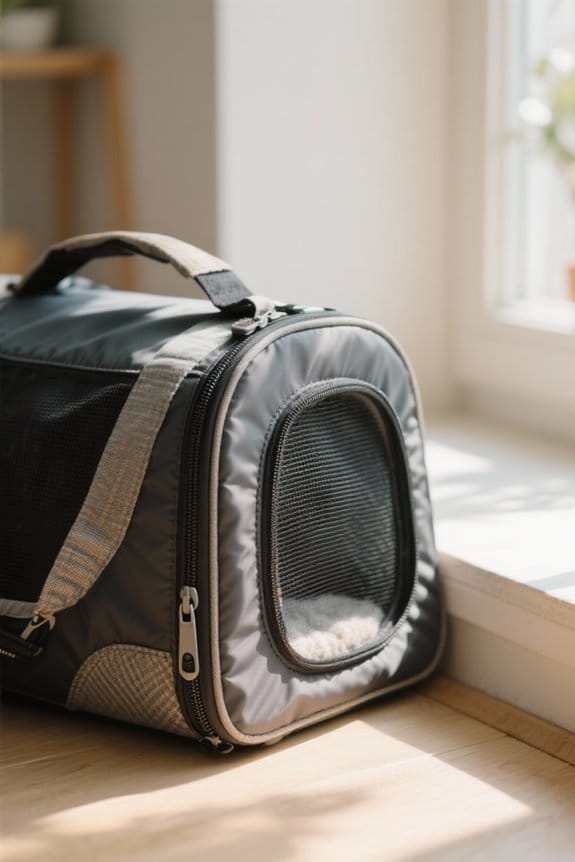
Nylon fabric stands out as a synthetic polymer that revolutionized the textile industry when it was introduced in 1935. Known for its high strength and strong drapability, nylon allows for versatile applications. Its lightweight nature contributes to an impressive strength-to-weight ratio, making it ideal for outdoor gear and accessories. Key characteristics include:
- Durability: Available in various thicknesses like 20D to 1680D, higher denier provides more strength.
- Water Resistance: Nylon’s molecular structure offers inherent water resistance, although moisture absorption requires specialized coatings.
- Versatility: Used in clothing, outdoor apparel, industrial ropes, and luggage.
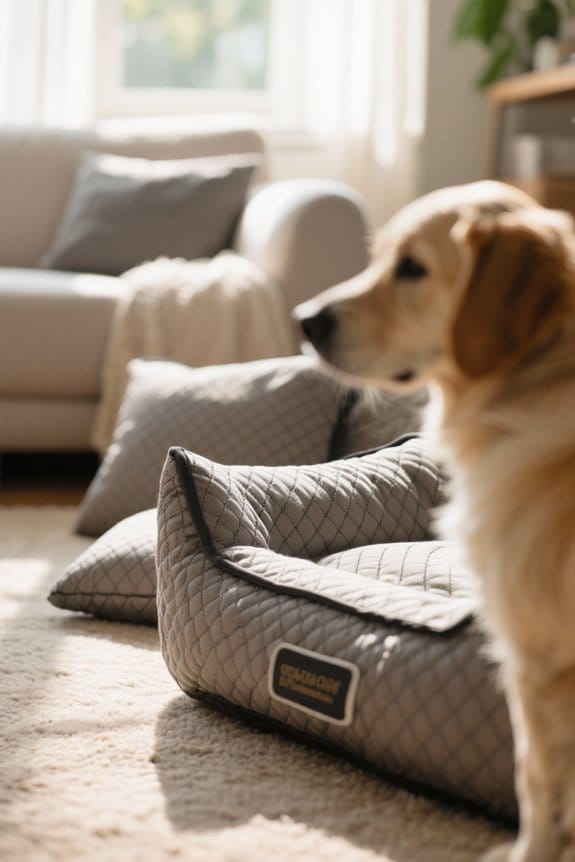
Due to these features, nylon fabric remains a preferred choice across various industries, merging practicality with performance. Additionally, CertiPUR-US certified materials used in pet beds highlight the importance of non-toxic options for consumer safety and comfort.
Characteristics of Nylon Fabric
When considering fabrics for carriers, nylon fabric presents a range of characteristics that make it highly desirable. Known for its high tensile strength, nylon is ideal for demanding applications such as outdoor gear. Its lightweight nature means it’s easy to carry, while still providing durability.
Key characteristics of nylon include:
- Abrasion Resistance: Nylon’s tough fibers can withstand wear and tear.
- Water-Resistant: Naturally water-resistant, it keeps contents dry in wet conditions.
- Mildew and Mold Resistance: Perfect for outdoor environments.
Different denier measurements (20D to 1680D) cater to various durability needs. Higher densities offer better strength for heavy-duty applications. Overall, nylon’s blend of resilience and lightness makes it a top choice for portable items.
Recommended Products
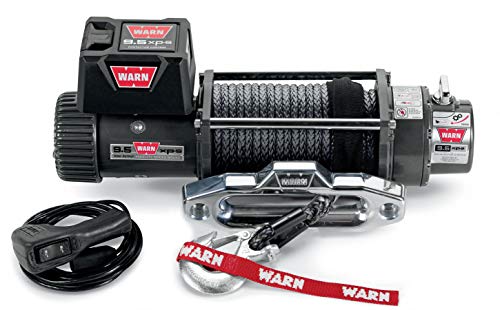
Equipped with 100 feet of Warn Spydura synthetic rope. This product requires a compatible bumper or mounting plate to be properly mounted to your vehicle
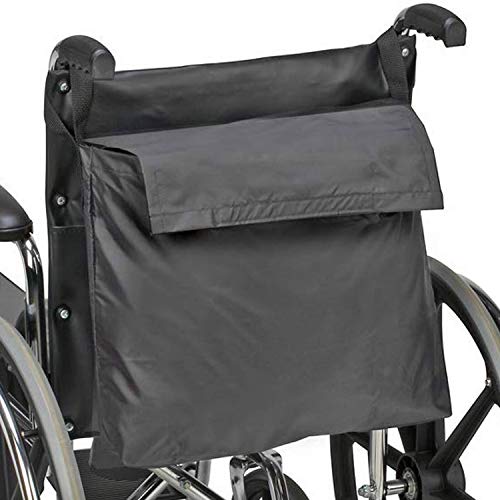
WHEELCHAIR BACKPACK OFFERS NO HANDS storage with hook and loop closure for multiple items both small and large to assist with carrying purses, wallets, glasses, phones, laptops, water bottles, groceries, medical supplies and more

AG412 Fruit Picking Bag, 65-Pound Capacity, offers durable support for commercial-scale fruit harvests.
Durability and Performance Comparison
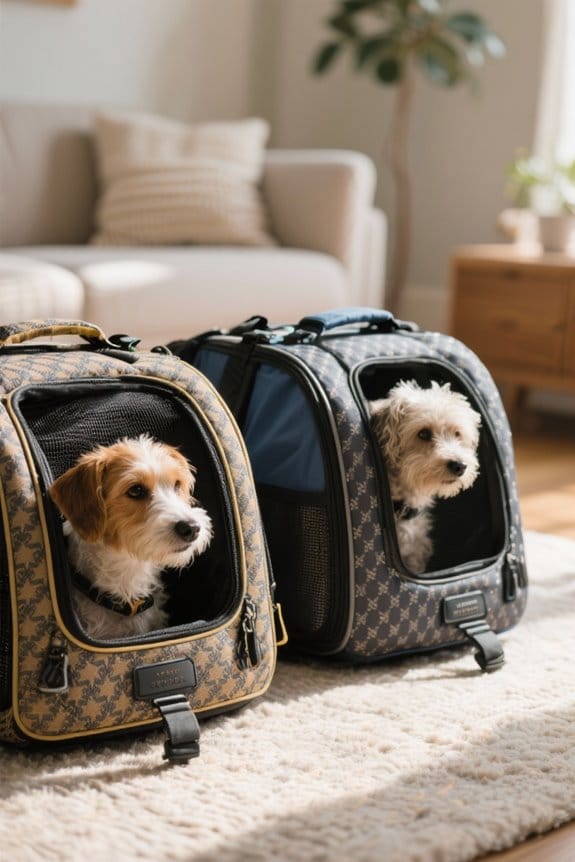
In evaluating the durability and performance of fabric options for carriers, significant differences emerge between nylon and Oxford cloth.
- Nylon, especially in high-denier types, boasts superior abrasion resistance. This makes it a top choice for heavy-duty carriers in demanding environments.
- Oxford cloth, while durable, generally falls short in tensile strength compared to nylon. This difference is vital when considering wear and tear under heavy loads.
- Performance testing consistently shows that nylon carriers outlast their Oxford cloth counterparts in rugged conditions like outdoor adventures.
- Additionally, nylon’s lighter weight allows for nimble portable designs without sacrificing strength.
- Oxford cloth is known for its moisture resistance, which makes it suitable for environments where exposure to moisture is a concern.
Recommended Products

Fitment: Anything with a factory or aftermarket roof rack; Please confirm rack weight capacity prior if you’re unsure
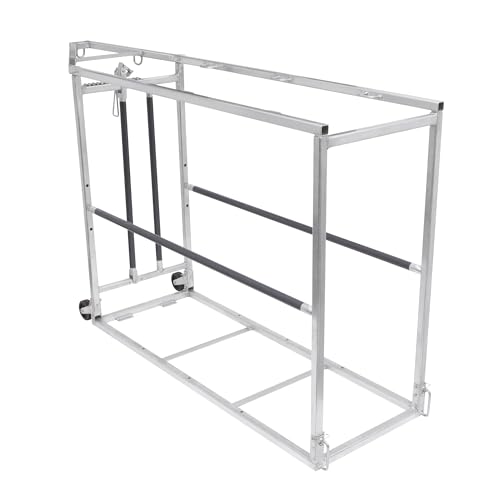
Easy Adjustment & Removal: Spring-loaded short tension rod allows quick setup, positioning, and removal, making livestock handling and grooming faster and more efficient
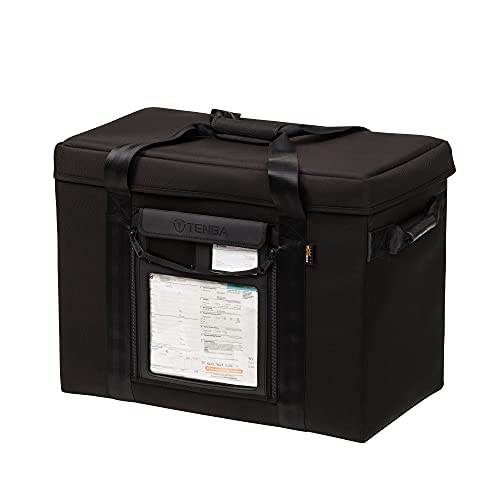
GEAR CAPACITY – EIZO 27-inch ColorEdge or FlexScan Display with monitor hood.
Water Resistance and Care
Evaluating fabric options for carriers also includes the important aspect of water resistance and care.
- Water Resistance: Treated Oxford fabric can achieve notable water resistance, suitable for everyday use. However, nylon inherently offers superior water resistance due to its synthetic properties. Polyester-based Oxford also generally retains moisture better than untreated nylon. Space-saving beds with built-in storage and multi-functional designs also prioritize effective use of materials, similar to considerations for water resistance and durability in fabric choices.
- Care Requirements: Oxford is easier to maintain, allowing gentle machine washing. Air drying is recommended to keep it soft and extend its lifespan. In contrast, nylon requires mild detergent and low heat during drying to preserve its quality.
Both fabrics can be coated for extra water resistance, but they require different care methods to guarantee long-lasting performance. Ultimately, choosing between Oxford and nylon depends on individual needs and applications.
Suitability for Specific Applications
The choice between Oxford cloth and nylon highly depends on the intended use of the carrier.
Oxford Fabrics
- Preferred for casual bags
- Soft texture and breathability offer comfort for daily use
- Generally more economical
Nylon Oxford
- Exhibits superior strength and abrasion resistance
- Ideal for high-performance carriers in extreme conditions
- Lightweight design enhances portability
- Provides better moisture protection, perfect for outdoor gear
When selecting a carrier, it’s important to consider lightweight options that enhance ease of transport, especially when frequent movement is anticipated. In specific applications, nylon’s strength-to-weight ratio makes it a popular choice for specialized carriers. Conversely, Oxford fabrics are easy to care for and suited to mass-market options. Ultimately, the decision hinges on balancing cost, performance, and user needs to facilitate the right fit for activity, whether it’s a day out or an intense adventure.
Recommended Products

Hydration capacity: 100 oz/3 L

LIBERATOR JACKET-STYLE BCD: Features Advanced Weight Loading System III and reliable tilt valve inflator for effortless buoyancy control and secure weight integration.

If you want to discover nature with your child, a reliable children's backpack is a must. This Osprey Poco Child Carrier With Raincover combines the highest level of comfort for you with optimal safety and comfort for your child. Dimensions: 39 x 75 x 38 cm
Choosing the Right Fabric for Your Carrier Needs
Choosing the right fabric for a carrier can greatly impact its functionality and user experience. Two popular options are Oxford cloth and nylon, each suitable for different needs.
- Oxford Cloth:
- Soft texture and breathable
- Ideal for casual use
- More cost-effective than nylon
- Nylon:
- Lightweight yet highly durable
- Perfect for rugged outdoor activities
- Higher price due to specialized production methods
Treated Oxford cloth can also provide water resistance, which is beneficial for carriers exposed to moisture. Oxford cloth is commonly used in durable Oxford fabric carriers, providing comfort and longevity for travel needs. Ultimately, users should consider their intended use. For everyday bags, Oxford cloth may suffice, while tactical or extreme-performance carriers will likely require the durability of nylon. Choose wisely for the best carrier experience!
Recommended Products
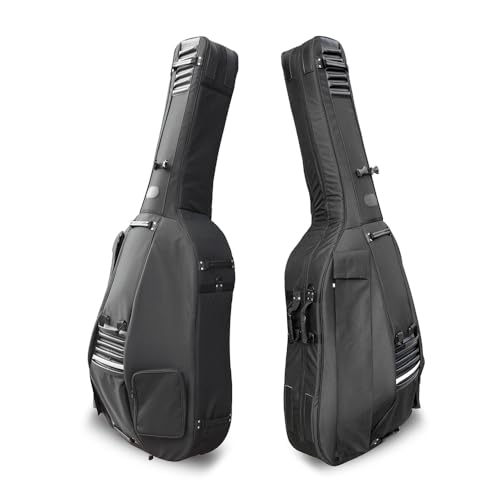
Ultimate protection: The WUQIMUSC Double Bass Bag with wheels is made with high-strength materials and a thickened liner to protect your 3/4 upright bass from damage during transportation.

【Newly Upgraded Sturdy Hexagonal Pipe Frame】 The HOTEEL 10x30 heavy duty pop up canopy features a sturdy hexagonal pipe frame designed for commercial and long-term use. Improved stability and durability come from its hexagonal tubes and large foot pads, which resist deformation better than traditional designs

3 strollers in 1: Infant Car Seat Carrier, Infant Stroller, and Toddler Stroller to stroll from infant to toddler
Frequently Asked Questions
Is Oxford Cloth Better Than Nylon?
In the durability comparison, nylon typically outperforms Oxford cloth, although Oxford offers better breathability and affordability. When considering weight, nylon is lighter, while water resistance varies depending on fabric treatment, affecting overall performance for specific uses.
What Are the Disadvantages of Oxford Fabric?
Oxford fabric presents durability concerns, particularly in extreme conditions. Its water resistance is limited, requiring careful fabric care. Additionally, Oxford’s weight can hinder convenience, while its soft texture differs greatly from more robust materials like nylon.
Is Oxford the Same as Nylon?
Oxford is not the same as nylon; Oxford showcases durability and versatility in fabric applications, while nylon features unique characteristics like strength. Understanding these fabric comparisons guarantees informed choices for specific material applications and performance needs.
Does Oxford Cloth Tear Easily?
Oxford cloth can tear more easily than nylon, particularly under extreme conditions. Durability factors such as tear resistance vary depending on fabric comparisons and usage scenarios; regular maintenance helps mitigate these risks, enhancing longevity and performance.