


Seasonal storage of pet bedding is essential for maintaining cleanliness and comfort. Start by cleaning bedding thoroughly to eliminate pests and odors. Choose a cool, dry location, avoiding high moisture areas. Use breathable storage bags or containers to allow airflow. Keep bedding free from pests using lavender sachets or cedar blocks. Fold bedding neatly and label containers for easy identification. Regularly rotate seasonal bedding to extend its life. Curious about more tips? There’s plenty more to explore.
Key Takeaways
- Store bedding in a cool, dry place, avoiding sunlight and moisture to preserve fabric integrity.
- Utilize breathable storage bags made of cotton or linen for airflow, preventing mildew and odors.
- Inspect bedding for pests before storage, ensuring items are clean to eliminate any attractants.
- Rotate bedding seasonally, switching to lighter fabrics in warm months and heavier materials in colder months.
- Keep bedding in well-ventilated areas, avoiding attics or basements due to high moisture risk.
Clean Before You Store
To guarantee ideal storage of pet bedding, thorough cleaning is essential. Regular washing eliminates unseen oils, dust mites, and allergens, keeping your storage solutions effective. When cleaning, remember to use a gentle detergent. This guarantees the bedding is sanitized without damaging fibers. Consider using pet beds with machine-washable covers for added convenience and ease of maintenance. Avoid fabric softeners on down comforters; they can affect fluffiness. Confirm bedding is completely dry before storage to prevent mold.
After cleaning, proper pet storage is vital. Fold or roll bedding carefully to maintain shape and prevent creases. This not only enhances longevity but also makes retrieval easier later on. By prioritizing cleanliness, pet owners can create a healthy environment, ensuring pets enjoy a fresh sleeping space every season.
Choose the Right Storage Location

Selecting the right storage location for pet bedding is essential for maintaining its quality. To guarantee longevity, opt for a cool, dry, and dark storage area. Avoid attics or basements, as these spaces often have high humidity and temperature fluctuations, which can lead to mildew. Consider using:
- Under-bed storage bins for space efficiency
- Linen closets for easy access
- Dedicated storage chests for organization
Whichever choice is made, ascertain the location is well-ventilated. Proper airflow discourages moisture build-up and unpleasant odors. Regularly check the storage area for pests and clean it. Keeping the space tidy helps prevent infestations that could damage bedding materials, ensuring they stay fresh for your pet’s comfort. For beach outings, consider waterproof features to protect pet bedding from moisture and sand exposure.
Recommended Products


3-in-1 L-Shaped Closet System – This freestanding closet system with corner tower includes three individual units that can be freely arranged to suit your closet layout. Available in two different size configurations, it’s ideal for maximizing space in walk-in or reach-in closet system while offering versatile installation options

Sleek Minimalist Headboard for Every Bedroom Style Clean-lined and upholstered in soft, smooth fabric, this headboard adds a timeless modern touch to any space. Whether you’re styling a cozy studio apartment, a chic master bedroom, or a calm guest room, its neutral black or white finish blends seamlessly with boho, Scandinavian, industrial, and contemporary decor. It’s the perfect backdrop for your bedtime reading, morning coffee, or late-night movie marathons, keeping your pillows propped comfortably in place
Use Breathable Storage Bags or Containers

When it comes to storing pet bedding, choosing breathable bags or containers can greatly improve the lifespan of the fabrics. Breathable storage bags made from cotton or linen allow airflow, preventing mildew and odors. This keeps bedding fresh and clean.
- Vacuum-Sealed Bags: Great for bulky items, but avoid long-term storage to prevent fabric damage.
- Plastic Storage Bins: Loose-fitting lids can work, yet they should only be used in dry areas to avoid moisture buildup.
Using breathable storage options not only protects against dust but also maintains the integrity of the fabric. Regularly checking and cleaning these bags or bins can further guarantee that bedding stays in excellent condition for when it’s needed again. When storing pet bedding, ensure that the materials are frequent washability to maintain hygiene, which is crucial for the health and well-being of your pets.
Recommended Products

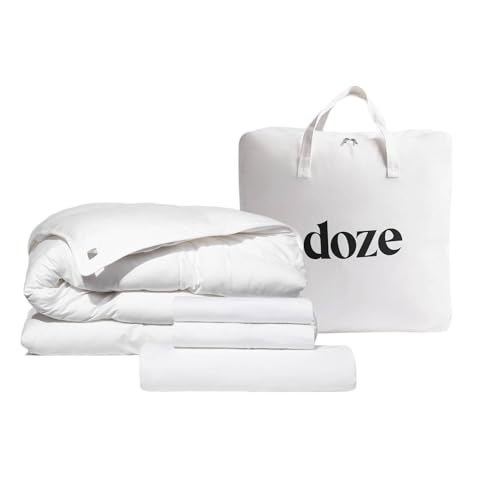
✅ [60-Second Quick-Change Bedding] – Our zipper duvet cover and luxury bedding sets boasts a 3-sided opening and secure snap corners which makes it easy to add or remove the insert for quick washes and enhanced sleep comfort all night long.

Imported - 24 Pack King Size (108"X110") Flat Bed Sheets White T200
Keep Pests Away Naturally

Keeping pests away from pet bedding can be a challenge, but natural methods can provide effective solutions. Here are some practical tips:
- Natural Repellents: Use lavender sachets and cedar blocks in your storage bags to deter pests naturally. These alternatives offer a pleasant scent without harmful chemicals.
- Regular Cleaning: Wash pet beds frequently and verify they’re free from food residues and scents that attract insects.
- Inspection: Regularly check storage areas for signs of pests, like droppings or webs. Early detection can prevent infestations.
- Breathable Storage: Store pet bedding in breathable fabric bags to allow airflow and reduce mildew risks.
- Vacuum-Sealed Bags: Consider vacuum-sealed bags for bulky items. This method keeps pests at bay and saves space, but avoid prolonged compression.
- Material Quality: Ensure pet beds are made with soft faux fur and plush materials that are not only comfortable for your pets but also less likely to retain scents that attract pests.
Recommended Products
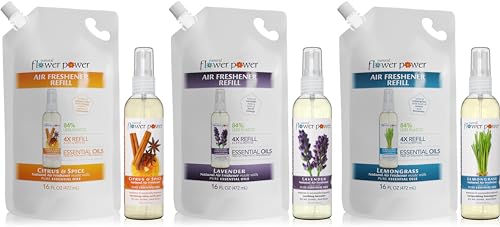
Air fresheners inspired by nature made with plant-derived ingredients and without unwanted chemicals & zero synthetic preservatives

Our Lavender fragrance opens with exuberant notes of wild lavender accompanied by the bright citrus notes of bergamot to create an uplifting, aromatic freshness. At its heart, rosemary, geranium and jasmine blend seamlessly, adding a complex floral layer that enhances the fragrance's depth. Finally, the soothing base of eucalyptus, rich cedar, and musk leave a serene and calming atmosphere to promote relaxation.
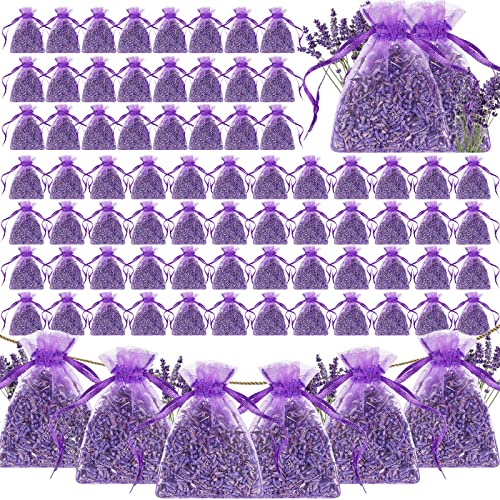
Lavender Sachets Bulk: you will get 160 packs of lavender sachets, packaged in a sturdy and easily resealable bag, sufficient quantity can satisfy your multi purposes, and you can try to crush the flower buds a little with your fingers to enhance the fragrance of lavender
Fold and Store Smartly

Storing pet bedding effectively is crucial for maintaining its quality and longevity. To keep bedding in prime condition, fold items loosely instead of tightly. This allows the material to breathe, preserving its shape.
- Rolling vs. Folding: Consider rolling duvets and comforters. This prevents creases and reduces uneven wear.
- Stack Sensibly: When stacking bedding, place heavier items on the bottom. Lighter ones go on top to maximize storage stability.
- Neat Folds Matter: Maintaining neat, flat folds aids in storage efficiency and makes quick access easy.
- Labeling: Using clear divisions and labels guarantees each pet bed type is easily identifiable, streamlining retrieval during the busy pet care routine.
Adding a waterproof layer to the bedding can protect it from moisture damage during storage, ensuring it remains in excellent condition.
Recommended Products

1.MAXIMIZED STORAGE CAPACITY: Measuring 47.4"L x 20.1"W x 92.8"H, this massive wardrobe offers an large organization solution. It features 2 large drawers, 5 medium-sized shelving compartments, and an oversized top cabinet. Perfectly designed to categorize everything from small items like socks and underwear to bulky bedding and shirts, keeping your room clutter-free.

DOUBLEDUTY COMFORT - Durable and waterproof on the outside, padded and insulated on the inside
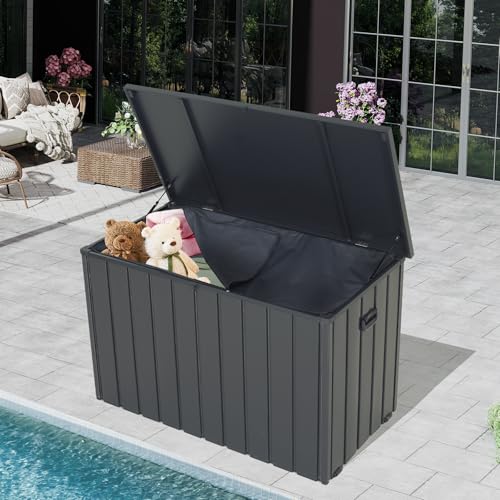
UPGRATED METAL OUTDOOR STORAGE BOX - Our poolside deck box is more durable and stronger than other resin/rattan/wood deck box. With exclusive corrosion and oxidation resistant tech make it more long-lasting and looks like new after long time using
Air It Out Before Use
Air out pet bedding before use to enhance its freshness and comfort. Before pets enjoy their bedding, it’s essential to air it out for several hours. This process helps eliminate musty odors and allows moisture to evaporate. Machine washable materials are ideal for pet bedding as they enable hassle-free cleaning and maintain durability.
- Choose the Right Spot: An outdoor space or a well-ventilated area indoors works best. Avoid direct sunlight to prevent fading and material degradation.
- Fluff It Up: While airing out, shake or lightly beat the bedding to restore its original shape.
This simple practice promotes hygiene and reduces allergens, ensuring a cozy environment for pets. Regularly airing out bedding not only keeps it fresh but also prolongs the lifespan of the materials, making it a smart storage habit.
Rotate Seasonal Bedding Regularly
Rotating seasonal bedding is a practical way to maintain a clean and comfortable space for pets. Regular changes every three months not only keep bedding fresh but also help reduce odor and dirt buildup.
Switching to lighter fabrics in warmer months and heavier materials in colder months enhances comfort. Different materials also minimize the risk of skin irritations or allergies for furry friends.
Proper pet storage is vital; regular inspections for pests like moths and mites during these rotations keep the environment safe. Utilizing this rotation method guarantees even wear, extending the life of each bedding piece. Ultimately, it’s about creating a cozy, healthy habitat for pets throughout the year. A well-rotated bed is more than a luxury; it’s indispensable.
Additionally, using breathable fabric in elevated dog beds promotes airflow, keeping pets cool and comfortable during warmer seasons.
Organize With Clear Labels
Organizing pet bedding effectively can make changes between seasons seamless. Clearly labeling storage containers is essential for easy identification and access.
- Color-Coded Labels: Use different colors for winter blankets and summer comforters to streamline storage and boost efficiency.
- Specific Descriptions: Include size and material type on labels to avoid confusion when choosing bedding for different pets.
- Durability Matters: Guarantee labels are waterproof and durable; they must withstand moisture or spills.
- Routine Updates: Regularly check and update labels as bedding items rotate through the seasons.
- For added comfort, consider using high-density foam bedding that provides joint relief and restful sleep for pets.
Recommended Products

All-Season Outdoor Cat House with Thermal Insulation: Features built-in Thermal-Ply insulation in walls, roof, and floor to retain warmth in freezing weather and reduce heat in summer.
![McKesson Underpads Disposable Bed Pads 30" x 36" [500 Count], Heavy Absorbency, Ultra Incontinence Chux Pads for Adults, Elderly, and Baby, Pee Pads](https://m.media-amazon.com/images/I/51eImAwB5FL._SL500_.jpg)
Highly Absorbent Bed Pads: McKesson Ultra disposable underpads offer heavy-duty protection for severe urinary incontinence, keeping bedding, seat cushions, floors, and furniture dry and protected

Sturdy and Durable:Our dog house are made of PP (polypropylene), a material that is not only waterproof, but also has excellent resistance to fading. Whether it's a hot sun or a torrential downpour, the dog house will maintain its bright colors and solid structure. In addition, it is able to withstand the bites of your beloved pet without warping or breaking, extending the life of the dog house.
Frequently Asked Questions
How to Store Seasonal Bedding?
Like a treasure map, proper bedding organization reveals serene storage secrets. Consider climate considerations—choose a cool, dry place, wrap in breathable fabrics, and stack thoughtfully to preserve the comfort and beauty of seasonal treasures.
How to Store Dog Beds When Not in Use?
To store dog beds when not in use, one should guarantee proper maintenance by cleaning and drying them thoroughly. Effective storage solutions include breathable containers in a cool, dry location, avoiding moisture and UV exposure.
How to Store Animal Bedding?
To store animal bedding, thoroughly clean the bedding materials, then place them in breathable storage containers. Keep them in a cool, dry environment, adding natural pest deterrents if necessary, and avoid tightly folded arrangements.
What Is the Best Bedding for Outdoor Animals in Winter?
“Warmth is the best blanket.” For outdoor animals in winter, effective bedding combines straw or shredded paper for insulation types and thick fleece or thermal materials, ensuring pets remain sheltered from cold and moisture.


