


Pets may show discomfort from their beds by scratching, licking, or coughing. Common signs include:
- Inflamed skin or hot spots
- Reluctance to use their bed
- Ear infections
These symptoms can stem from allergens like dust mites found in old bedding. Additionally, bad odors or sagging padding indicate it’s time for a change. Regular maintenance, such as washing the bed every two weeks, can make a significant difference. Discover more ways to enhance your pet’s sleeping environment.
Key Takeaways
- Constant scratching or licking indicates potential skin irritation from allergens in the pet bed.
- Visible wear, sagging, or persistent odors suggest the bed may harbor harmful bacteria.
- Reluctance to use the bed may point to discomfort caused by trapped allergens.
- Respiratory issues like sneezing or coughing can be related to dust mites in old bedding.
- Ear infections may indicate deeper allergy-related problems linked to the sleeping environment.
Identifying Common Symptoms of Allergies in Pets
How can pet owners quickly spot if their furry friends are suffering from allergies? Recognizing allergy symptoms is key to ensuring a pet’s well-being.
Common indicators include:
- Constant scratching or biting at the skin, often caused by irritants in the pet’s bed.
- Excessive licking, which can lead to inflamed patches or hot spots.
- Respiratory issues like sneezing or coughing, possibly linked to dust mites in older bedding.
- Reluctance to use the bed, indicating discomfort from allergens trapped in the material.
- Ear infections can occur in allergic pets, suggesting a deeper issue with impacts from allergens.
Regularly checking and properly cleaning the pet’s bed can prevent these problems. Some cooling cat beds are machine washable, ensuring hygiene and longevity. After all, a clean bed is a happy bed for your furry friend!
Understanding the Role of Pet Beds in Allergy Development

Understanding the interconnectedness of a pet’s sleeping environment and their health is vital, especially when it comes to allergies. Pet beds can create a breeding ground for dust mites and pet dander. Over time, this buildup can trigger allergic reactions in both pets and their owners. It’s important to ensure that breathable mesh enhances airflow, which can help reduce allergens in pet carriers and, by extension, pet beds. Key points to weigh include:
- Older dog beds with polyester or foam can harbor allergens, necessitating replacement.
- Hypoallergenic dog beds, made from tightly woven fabrics like 100% cotton or hemp, can effectively reduce dust mites.
- Regular washing of pet beds is essential to minimize harmful bacteria and allergens.
Signs of an unhealthy pet bed include unpleasant odors, visible damage, and your pet’s reluctance to use it. Prioritizing a clean sleeping environment can help mitigate allergy symptoms.
Recommended Products

RUGS OF QUALITY: Allen Home Wool Area Rug is crafted with utmost care and precision. The Handcrafted Wool Rugs are made from 100% Wool Pile and are Yarn-dyed and washed which provides you with a layer of exceptional softness and immaculate quality. In addition, the back of the rugs is made from 100% Cotton with Natural Latex/Latex adhesive backing helping your rugs maintain their shape and also giving off a vibrant, lasting color to your area rugs.

Content: 100% GOTS Certified Raw Cotton Fiber

Premium 100% Cotton Matelassé: Made from high-quality 100% cotton with a richly textured matelassé weave that delivers a soft, quilted look and an elevated hand feel without heavy weight.
The Impact of Dust Mites and Allergens in Dog Beds

The presence of dust mites and allergens in dog beds can greatly affect a pet’s health, often without immediate detection. Dust mites thrive, especially in older beds. Just one gram of dust can harbor up to 2,000 of these tiny creatures.
Key points include:
- Dog beds accumulate skin cells and moisture, creating a perfect breeding ground for dust mites.
- The waste products from dust mites can trigger allergy symptoms, including skin irritations and respiratory issues.
- Regular washing of removable, machine-washable covers can help reduce the presence of dust mites and allergens, ensuring a clean and cozy home for your pet.
To mitigate these risks:
- Regularly replace dog beds—ideally once a year—to reduce allergens.
- Consider hypoallergenic dog beds made from tightly woven fabrics to limit dust mite penetration.
A clean dog bed can contribute to a healthier, happier pup.
Recommended Products

Waterproof Liner: The bed has a waterproof liner for easy cleaning and protection from spills or accidents.

Premium Quality Design: Extra thick seven inch orthopedic foam provides superior joint support; Headrest feature offers additional comfort for your large dog; Soft microsuede cover feels luxurious while standing up to daily use by big dogs

Premium Comfort: Extra thick orthopedic foam dog bed designed for large dogs; Soft microsuede cover creates a cozy sleeping surface; Seven inch therapeutic cushion supports joints and provides relief for senior dogs with arthritis
Choosing Hypoallergenic Materials for Your Dog’s Bed

When it comes to your pet’s comfort and health, what materials are best for their bed? Choosing hypoallergenic materials for a dog bed can profoundly impact their well-being. Here are some key considerations:
- Materials: Look for beds made from 100% cotton, hemp, or tightly woven microfiber. These fabrics greatly reduce allergens and dust mites.
- Foam Density: Hypoallergenic dog beds often feature denser foam, effectively discouraging dust mite proliferation.
- Cover Design: Opt for tight weave covers that prevent allergens from penetrating the bed.
- Chemical Treatment: Non-chemically treated fabrics help minimize irritants in your pet’s sleeping environment.
- Consideration of eco-friendly materials can enhance sleep breathability for your pet.
Investing in a hypoallergenic dog bed not only enhances comfort but also promotes a healthier resting space for allergy-prone pets.
Recommended Products

PRESSURE RELIEF: Experience a health-enhancing slumber. By alleviating pressure on sensitive body areas, the topper ensures a tranquil sleep environment. Bid farewell to discomfort and welcome restful nights.

Experience Unparalleled Opulence with Thread Spread's 1500 Series Egyptian Cotton Sheet Set Pack of 2: Discover the epitome of luxury with our meticulously crafted 1500 Series Egyptian Cotton Sheets King Size, elevating your sleep experience to a realm of unmatched comfort and sophistication. Sourced from the finest extra-long staple cotton, renowned for its superior softness and exquisite quality, these Egyptian cotton bed sheets king size redefine indulgence

ALL-NATURAL & NON-TOXIC: Made from 100% cotton canvas and filled with raw, untreated natural cotton. No foam, no polyester, no synthetic fillers. A plastic-free, low-toxin choice for eco-conscious pet parents.
Importance of Regularly Cleaning and Replacing Pet Beds

Maintaining a clean and healthy sleeping environment for pets is just as important as selecting the right materials for their beds. Health experts recommend washing dog beds every two weeks to reduce allergens and bacteria. Unfortunately, only 25% of pet owners follow this guidance, leaving many beds unclean. Key practices to take into account:
- Regular Cleaning: Frequent washing can minimize dust mites and allergens.
- Watch for Wear: Beds older than one year are more prone to harbor allergens, highlighting the importance of timely replacement.
Visible signs such as sagging padding or persistent odors indicate a bed is due for retirement. Orthopedic support features in dog beds can alleviate joint pain, which emphasizes the importance of selecting the right bed. Regular cleaning and replacement can greatly enhance your pet’s quality of life.
Recommended Products

Dog-Friendly Modular Seat: Our boneless cloud couch includes a fully detachable dog seat module with a waterproof inner liner to help keep pet stains away from the main sofa. It attaches to the couch as a dedicated spot for your furry friends, or works as a standalone dog bed on the floor.
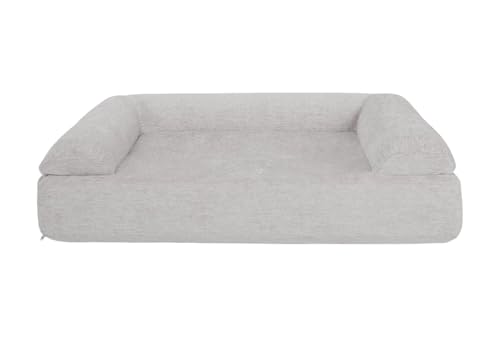
Clinically proven benefits: In a University of Pennsylvania School of Veterinary Medicine study, large dogs showed reduced joint pain and improved mobility after sleeping on a Big Barker orthopedic dog bed.

?Indoor and outdoor dog bed/dog hats/dog blankets for small dogs and cats.
The Dangers of Harmful Chemicals in Dog Beds
Harmful chemicals lurking in some dog beds can pose serious risks to pets’ health, making it essential to choose beds wisely. Common culprits include:
- Bromine: This flammable retardant can cause stomach irritation and lethargy. In severe cases, it may lead to tremors.
- Heavy metals: Lead, often used in bed weights, can harm kidneys and cause anxiety if absorbed.
- Polybrominated diphenyl ethers (PBDE): Found in low-cost dog beds, these neurotoxins can disrupt thyroid hormones and hinder brain development.
- Phthalates: Present in cheap plastics, they can off-gas harmful toxins linked to reproductive harm.
- Arsenic: This carcinogen may result in severe health issues, including vomiting and liver disease.
Opting for dog beds with CertiPUR-US certification ensures they are free from harmful chemicals and safe for your furry friend’s well-being. Choosing a safe dog bed is crucial for your furry friend’s well-being.
Signs Your Pet’s Bed Needs Immediate Attention
Selecting a safe dog bed is just the beginning of guaranteeing a pet’s comfort and health. Dog beds may need immediate attention if:
- Padding Issues: A bed showing signs of flattening, sagging, or lumps lacks support, risking your pet’s comfort.
- Visible Damage: Holes or tears could compromise safety; replacing such beds is essential.
- Persistent Odors: Unpleasant smells that persist after washing may indicate harmful bacteria or allergens.
- Change in Behavior: Increased restlessness or refusal to use the bed often points to discomfort.
- Cleaning Challenges: If cleaning the bed is difficult, it might be a breeding ground for allergens.
Consider bed dimensions in relation to available space to ensure the bed fits well and remains comfortable for your pet. Addressing these signs promptly guarantees your pet enjoys a safe and healthy sleeping environment.
Steps to Create a Healthier Sleeping Environment for Your Pet
Creating a healthier sleeping environment for pets can seem challenging, but it doesn’t have to be. Here are some effective steps to guarantee your pet enjoys better rest:
- Regular Evaluations: Check your pet’s bed regularly for sagging or damage, which can attract allergens.
- Hypoallergenic Options: Consider a memory foam dog bed made from tightly woven materials—like 100% cotton or hemp—to reduce dust mites.
- Use Protection: Cover existing beds with a PetProtector® Blanket, which keeps harmful microorganisms at bay.
- Cleanliness is Key: Wash your pet’s bed every two weeks to combat bacteria, though only 25% of owners do this.
- Replacement Schedule: Swap out beds yearly or sooner if odors persist.
- For active pets, selecting a dog bed with non-slip designs is crucial to ensure stability and prevent accidents.
Following these guidelines will foster a healthier sleep for your furry friend.
Recommended Products

Premium Quality Design: Extra thick seven inch orthopedic foam provides superior joint support; Headrest feature offers additional comfort for your large dog; Soft microsuede cover feels luxurious while standing up to daily use by big dogs

【Luxurious Cloud-Like Comfort, Naturally Cool for Every Sleeper】Enjoy a more indulgent sleep with the Grbsy memory foam mattress hybrid design, engineered to combine plush comfort, balanced support, and breathable bamboo cooling. Its multi-layer construction creates a cloud-like feel that helps your body relax more deeply throughout the night. Ideal for side, back, stomach, and combination sleepers, this medium firm mattress offers refreshingly cool, pressure-free rest and fits most standard bed frames with ease

MADE WITH: CertiPUR-US certified orthopedic memory foam for dogs of all sizes! Finally, a dog bed that you can trust and will last for years: the foam has gone through a rigorous process to ensure that it is made without heavy metals like mercury, toxic chemicals like formaldehyde and phthalates
Frequently Asked Questions
How Often Should You Replace Your Pet Bed?
A dog named Max enjoyed his plush polyester bed for two years before it sagged. Frequency guidelines suggest replacing polyester-filled beds every 1-2 years and orthopedic beds every 2-5 years, depending on the bed material’s quality.
Can Dog Beds Be Toxic?
Yes, dog beds can be toxic due to chemical exposure from harmful substances like flame retardants and phthalates. Choosing beds made from hypoallergenic materials can help minimize risks to a pet’s health and overall well-being.
What Is the Silent Killer Disease in Dogs?
“An ounce of prevention is worth a pound of cure.” Silent killer diseases in dogs, often chronic illnesses like bloat or heart disease, underline the significance of early detection and regular veterinary check-ups for effective prevention.
What Are the 5 Signs of Good Health Pedigree?
Five signs of a good health pedigree include documented health clearances, regular veterinary check-ups, consistent growth patterns, genetic disorder screenings, and championship achievements, all contributing to overall pet wellness and strong pedigree health.


