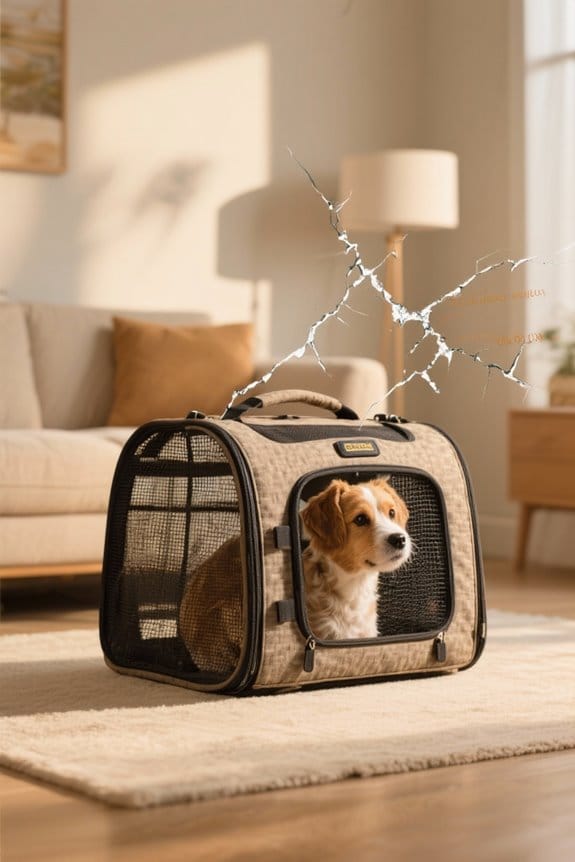

Tear resistance testing evaluates the durability of carrier mesh panels, essential for logistics. Two main tests are the Elmendorf and Trouser Tear Tests. These methods measure the force required to begin a tear. Higher values indicate stronger, more resilient materials. Compliance with standards like ISO 13937-1 guarantees accuracy. Factors like material type and yarn density can affect strength. Interested readers can discover a deeper understanding of testing methods and their significance in industry applications.
Key Takeaways
- Tear resistance testing evaluates the durability of carrier mesh panels using methods like the Elmendorf and Trouser Tear Tests.
- Compliance with ISO 13937-1 guidelines ensures accurate material dimensions and cutting shapes for reliable testing results.
- Higher tear strength values indicate better resistance to stress and reduce the risk of structural failures in transportation.
- Material type, thickness, and weave pattern significantly influence tear strength, with nylon and tighter weaves providing better resistance.
- Regular calibration and maintenance of testing equipment are essential for obtaining accurate and reliable tear strength measurements.
Understanding Tear Resistance Testing
When considering the durability of carrier mesh panels, one might wonder how manufacturers determine their strength against tearing forces. Tear testing is essential for evaluating tear strength, ensuring that these materials meet high-performance standards. Key methods include:
- Elmendorf Tear Test: A widely recognized approach that quantifies how much force (in Newtons) is needed to propagate a tear.
- Trouser Tear Test: Specifically designed for mesh fabrics, providing reliable data on tear resistance.
Standard material dimensions and specific shape cutting are fundamental, often following ISO 13937-1 guidelines. Higher tear strength values indicate better resistance during use, especially in demanding situations like safety gear or outdoor equipment. Understanding filament type and weave density also plays a significant role in selecting the right mesh material. The importance of choosing the right dog bed for your pet’s comfort and health is similar to selecting durable mesh panels, as both require careful consideration of material quality and performance standards.
Importance of Tear Resistance in Carrier Mesh Panels

Tear resistance stands as a crucial factor in the performance of carrier mesh panels, ensuring they can withstand significant stress without failure. Durable panels are essential in logistics and transportation, as they prevent structural failures during heavy loads. Key points include:
- Strength Tests: High tear strength, typically measured in grams per square meter (GSM), directly enhances durability.
- Material Influence: Stronger yarns in the material composition improve tear resistance due to enhanced tensile strength.
- Standards: Employing standardized tear testing methods, such as the Elmendorf Tear Test, confirms compliance with industry testing standards.
Using non-toxic materials in carrier mesh panels ensures safety and stability in various applications. Inadequate tear resistance can lead to catastrophic failures, particularly in military or outdoor applications. Hence, rigorous testing is crucial to ensuring optimum panel performance in demanding environments.
Methods of Tear Testing for Mesh Fabrics

Various methods exist for testing the tear resistance of mesh fabrics, guaranteeing they meet demanding performance criteria. Key methods include:
- Elmendorf Tear Test: Measures the force needed to propagate a tear, using a pendulum mechanism.
- Trouser Tear Test: Utilizes a standard tensile test setup to measure tear strength by applying a pulling force on a pre-cut rectangular sample.

Benefits of Bamboo Fiber in Eco-Friendly Pet Beds
Among other factors, high-density foam in dog beds enhances comfort and support, which can be analogous to how higher fabric density indicates better tear resistance. These testing procedures comply with established standards like ASTM D1004 and ISO 13937-1. The outcome of tear testing provides vital data on fabric strength, influenced by factors like yarn type and weave design. Higher fabric density usually indicates better tear resistance. These methods collectively guarantee that carrier mesh panels can withstand real-world conditions effectively.
Recommended Products

Heavy Duty and Durable: 10x30 heavy duty pop up canopy with sidewalls comes with a heavy duty frame with a full truss structure and a 32mm tube diameter The frame is powder-coated for rust-proofing, making it durable. The 10x30 screen tents middle support pole can bear up to 1100 pounds.(NOTE: take it down when there is strong wind or heavy rain)
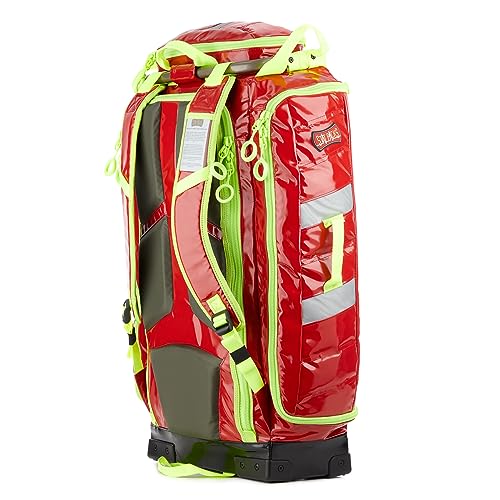
✅ NEW State of the art fabric technology – Stronger, easier to clean, water-resistant with a “high shine” finish for enhanced day/night visibility with the goal to “Be seen on scene."

EXCLUSIVE AWAY x TOY STORY 5 COLLECTION: This exclusive Away Carry-On features limited-edition graphics inspired by Buzz, Woody, Jessie, Little Green Men, and more Toy Story 5 characters. Measures 15.4"L x 9.6"W x 22.7"H; interior 15" x 7.9" x 20.9"

Chew-Resistant Materials for Destructive Pets
As an affiliate, we earn on qualifying purchases.
Sample Preparation for Tear Testing

Preparing samples for tear testing in carrier mesh panels is an essential step that secures reliable results. Effective sample preparation involves several key actions:
- Cutting to Specifications: Samples must be cut into specific dimensions, either rectangular or trapezoidal, according to the chosen tear test method.
- Initial Cuts: An initial cut should be made at one end to aid in tearing.
- Uniformity Matters: It’s vital to guarantee a consistent thickness and width, as these directly influence the calculated average force during testing.
- Orientation Awareness: The orientation of the mesh can affect tear properties; consequently, this must be taken into account.
- Labeling: Properly labeled samples help maintain repeatability and guarantee accurate data collection in tear testing.
Many pyramid pet beds feature machine washable covers, which also contribute to material durability and ease of maintenance.
With careful preparation, tear testing helps provide meaningful insights into material performance.
Conducting Tear Tests Using Universal Testing Machines

Once samples are properly prepared, conducting tear tests using Universal Testing Machines (UTMs) becomes the next logical step in evaluating the performance of carrier mesh panels. Tear testing is vital for understanding the strength of the fabric. The procedure involves securing the specimen in UTM clamps. A controlled tensile force is applied until a tear propagates, allowing for the maximum force to be recorded. It is important to note that material safety certifications such as OEKO-TEX or CertiPUR-US can play a significant role in ensuring the non-toxicity of the materials being tested. This maximum force helps in calculating tear strength by dividing it by the panel’s dimensions. Accurate measurement depends on proper calibration and alignment of the UTM. Misalignment can lead to erroneous results, making it essential for measuring tear resistance effectively. Consequently, when done correctly, these tests guarantee results are accurate and reliable for evaluating material performance.
Recommended Products

Premium Direct Pedal Drive with Machined Aluminum Design

【2-Stroke 18HP Outboard Engine】Air Cooling Technology To Improve The Reliability Of The Whole Machine. Features 360 degree steering rotation for reverse without gear shifting. Convenient Use and Easy Operation, Travel Safer, More Reliable, More Corrosion Resistant, More Beautiful, More Durable, More Energy Efficient, More Environmentally Friendly.

WHEEL ALIGNMENT AT HOME: Skip the alignment shop and dial in camber and caster yourself. Mount the ASWL470 on the tire, drop a magnetic gauge on the adapter plate, and pull readings in your own garage. Get within OEM tolerances, no machine needed.
Analyzing Tear Test Results
Analyzing tear test results is a critical step in understanding the performance of carrier mesh panels. The primary focus is on measuring tear strength, calculated by dividing the force recorded by the material’s thickness. For accurate comparisons, results are typically expressed in pounds or Newtons.
- Testing machines, like those following ASTM D1004-13 standards, guarantee reliability.
- Methods such as the Tongue Tear and Elmendorf tests help illustrate the varying performance capabilities of different mesh materials.
Additionally, multiple mesh panels contribute to optimal ventilation in mesh pet carriers, ensuring proper airflow and comfort for pets during travel. It is crucial to take into account environmental factors too. Temperature and humidity can considerably affect a material’s ability to perform as expected. As a result, consistent testing under controlled conditions is essential for meaningful results, influencing design and manufacturing choices effectively.
Standards and Regulations for Tear Testing
Standards and regulations play an essential role in guaranteeing the quality and safety of tear resistance testing for carrier mesh panels. Compliance with international standards, such as ASTM D1424, guarantees that manufacturers meet recognized benchmarks in quality control.
Key aspects of these regulations include:
- Tear Testing Methods: Common methods like the Elmendorf method provide objective measures of tear strength.
- Sample Preparation: Accurate dimensions are vital. Proper sample preparation aligns with set standards, leading to reliable results.
- Calibration and Compliance: Manufacturers are encouraged to consistently calibrate their equipment to guarantee precise readings.
In addition to these guidelines, ensuring materials have high-density foam can enhance durability, particularly in products like dog beds where additional support is crucial. Adhering to these standards not only validates the materials but also assures clients about the durability and performance of carrier mesh panels in real-world applications.
Applications of Tear Testing in the Industry
Tear resistance testing serves as a cornerstone in various industries that rely on carrier mesh panels for their durability and performance. This testing guarantees materials maintain high standards under demanding conditions. Key methodologies, like the Elmendorf Tear Test and Trouser Tear Test, utilize a tear tester to measure the tearing force necessary for breaking the mesh. – These tests follow established test standards such as ASTM D1424 and ISO 13937-1. – High tear strength directly impacts applications, like cargo nets and protective clothing, preventing failures. Additionally, orthopedic designs are crucial in ensuring that materials used in police dog beds provide optimal joint support and pressure relief, enhancing both comfort and durability for active duty environments.
Recommended Products

BladePortTM (holds player sticks on side of bag)

【Comfortable Space】:Sresk motorcycle dog carrier crate overall size: 20" L x 13" W x 15" H. Perfect pet carrier for dogs, cats, rabbits or other small pets under 25 lbs.

GUARANTEES COMFORT: This bird backpack features a hemp rope wooden perch to keep your pet comfortable and calm during long trips. All of the materials used in making this bird backpack carrier promote ventilation to prevent your bird from overheating while inside. It uses breathable stainless steel mesh to give your pet a better view of their surroundings.
Factors Influencing Tear Strength in Mesh Panels
When evaluating the tear strength of mesh panels, several key factors come into play.
- Material Type: The materials’ ability to resist tearing depends greatly on the fibers used. Nylon or polyester often perform better due to their higher tensile strength.
- Thickness: Greater thickness, often measured in denier, enhances tear resistance; panels with 1000 denier fabric are more robust.
- Weave Patterns: Tighter weaves offer more resistance to tears compared to their looser counterparts, where tears can spread more easily.
- Reinforcements: Heavy-duty panels frequently feature reinforced edges to withstand stress and environmental wear effectively.
- Environmental Factors: Exposure to UV light, humidity, and temperature changes can weaken fibers, affecting their ability to sustain force over time.
- Ventilation Features: Mesh panels with robust ventilation and airflow ensure not only comfort but also contribute to the structural integrity by preventing excessive stretching and stress.
Understanding these factors is essential for ideal panel selection.
Recommended Products

[Elevated Rooftop Tent Hardshell for Versatile Camping] - HEYFUN roof top tent RTT, directly from the industry-leading manufacturer, are standout options with 40% extra space, skyview window, multi-port USB outlet and full-circle LED light strip with various brightness, perfect choice for camping enthusiasts and seasoned adventurers of all levels valuing quality and affordability.

16FT DUAL LANE SLIDE & SPLASH POOL: Measuring 16’ H x 12’ W x 24’ L, this towering side-by-side inflatable features dual 24-foot racing lanes ending in a shared splash pool. Engineered for kids and adults (ages 3+) to race simultaneously for ultimate backyard competition.

(Qty. 1)2” diameter x 30’ long, 131,000 lbs break strength. The kinetic rope is double braided nylon 66 with a 12-strand core and a 32-strand, highly visible sheath for max strength and kinetic stretch
Maintaining Testing Equipment for Accurate Results
Testing equipment plays an essential role in accurately measuring the tear strength of mesh panels. Regular calibration of devices, such as digital Elmendorf testers and mechanical tear test apparatus, guarantees reliable results. Look for orthopedic support when selecting testing equipment, as this ensures more precise outcomes when dealing with mesh panels.
Key Maintenance Steps:
- Adhere to manufacturer guidelines for routine cleaning.
- Check for wear and damage on clamps and load cells.
- Use standardized test specimens to align with international standards like ISO 13937-1.
Maintaining a thorough record of maintenance, adjustments, and calibration is critical for quality assurance.
Continuous Improvement:
Periodically revisiting testing protocols based on technological advancements enhances accuracy. Staying current not only guarantees more reliable measurements but also contributes to better performance evaluation of carrier mesh panels. Remember, a well-cared-for load cell is a happy load cell!
Recommended Products
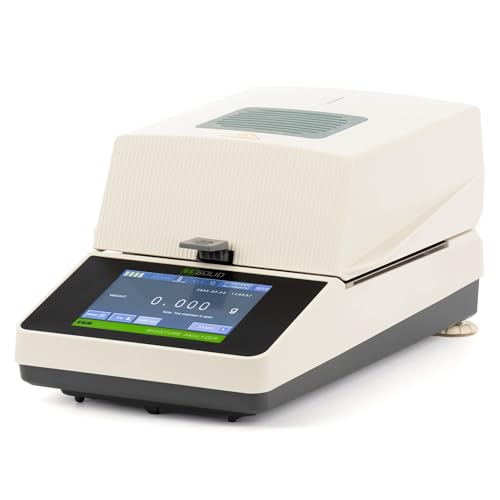
110 g CAPACITY, 0.001 g READABILITY: A halogen moisture analyzer weighs to 0.001 g and measures moisture to 0.01% using a strain gauge, drying and weighing at once for fast, accurate moisture content

Revolutionize Potency Testing at Home: Experience cutting-edge tCheck 3 Potency Tester with new UV Spectrometer Technology, providing faster and more accurate results for activated hemp and herbal infused oils and tinctures. Say goodbye to guesswork and dial in the exact strength of your homemade edibles effortlessly.

ACCURATE WIDE-RANGE GEM TESTING (1.000–3.000 RI | Measure refractive index across a broader range than traditional refractometers, allowing accurate testing of diamonds, moissanite, zircon, and a wide variety of colored gemstones.
Frequently Asked Questions
What Materials Are Typically Used for Carrier Mesh Panels?
Carrier mesh panels are often crafted from robust materials like polyester fibers, nylon mesh, Kevlar blends, and polypropylene sheets, forming a lattice of strength akin to a spider’s web, designed for durability and resilience in various applications.
How Often Should Tear Resistance Testing Be Conducted?
Frequency recommendations suggest conducting tear resistance testing annually or semi-annually. Adhering to testing standards and industry guidelines guarantees safety implications are adequately addressed, helping maintain the structural integrity of materials used in various applications.
What Other Tests Complement Tear Resistance Testing?
Complementing tear resistance testing, flexibility and tensile strength assessments enhance insights. Remarkably, 70% of material failure links to molecular structure issues under varying environmental factors. Incorporating load capacity evaluations and diverse testing methods guarantees thorough performance understanding.
Can Tear Resistance Testing Predict Product Lifespan?
Tear resistance testing can enhance product durability analysis, but it alone cannot accurately predict lifespan. A thorough testing methodologies comparison is necessary, as the impact of tear resistance on lifespan prediction accuracy varies among different materials and designs.
Who Performs Tear Resistance Testing in the Industry?
Leading laboratories and certified organizations, equipped with rigorous test standards, analyze materials for tear resistance. They evaluate impact factors and conduct thorough material comparisons, ensuring industry certification that guarantees quality and performance in demanding environments.