


Washing temperatures vary by fabric type and are essential for maintaining garment quality. Here are some guidelines:
- Wool: Use cold water to prevent shrinkage.
- Linen: Opt for a gentle cycle with cool water.
- Cotton: Warm water (90°F – 110°F) is effective for normal cycles.
- Silk: Hand wash in cold water for best results.
- Microfiber: Wash separately in warm or cold water.
Understanding these specifics can prolong the life of clothes. More insights are ahead.
Key Takeaways
- Wool should be washed in cold water to prevent shrinkage; use a gentle cycle and mild detergent designed for wool.
- Linen requires a gentle cycle with cool water, avoiding bleach and fabric softeners for preservation.
- Cotton can be washed effectively in warm water (90°F – 110°F) with a normal cycle, monitoring care labels for specific instructions.
- Delicate fabrics, such as silk and rayon, should be hand washed in cold water to avoid damage; air drying is recommended.
- Acrylic and synthetic fabrics like nylon should be washed in cool water; low-spin cycles preserve fiber integrity and shape.
Understanding Water Temperatures for Laundry
When it comes to laundry, understanding water temperatures can noticeably improve cleaning outcomes.
- Cold Water (60°F – 80°F): Ideal for delicate items and colors that may bleed, preventing shrinkage and fabric damage.
- Warm Water (90°F – 110°F): Best for lightly soiled fabrics, particularly cotton and synthetic blends, allowing detergent to work effectively while minimizing fading.
- Hot Water (130°F and higher): Effective for sanitizing and cleaning heavily stained items like whites and linens. However, it can cause shrinkage or damage to certain fabrics.
Eco-friendly materials like organic cotton and recycled fabrics promote sustainability by minimizing environmental impact. Always check the care label before washing. This guarantees that the selected water temperature maintains the integrity of fabrics and extends the life of clothes. A little attention here can save outfits from an early retirement.
How to Wash Wool

Wool garments require specific care to keep them looking and feeling great. To wash wool effectively:
- Use cold water to prevent shrinkage and damage.
- Choose a gentle cycle, like a Delicate or Wool cycle.
- Select a mild detergent designed specifically for wool to maintain integrity.
Before washing, it’s important to turn wool items inside out. This protects the outer surface and helps preserve their appearance.

Care Instructions for Heated Bed Electrical Components
After washing, always air dry wool garments flat. This prevents misshaping and keeps their original structure intact.
Additionally, avoid using bleach and fabric softeners on wool. These can degrade the fibers and harm the natural qualities of the fabric. Following these guidelines will guarantee the longevity of your beloved wool items.
For those caring for pets, selecting a durable dog bed is crucial to withstand wear and tear and maintain hygiene.
Recommended Products

PAINT CHIP DESIGN: Inspired by a painter's palette, our much-loved Paint Chip Hand Micro-Hooked Wool Custom Rug adds pops of color, from subtle to bright, to any room. Made from 100% wool, this beautiful rug is perfect for high-traffic areas such as living rooms, kids' rooms, staircases, and hallways. It's durable, low maintenance, and soft underfoot.

PILE MATERIAL: 100% Wool; CONSTRUCTION: Hand Woven in India

Disinfecting Carriers Between Travel Sessions
As an affiliate, we earn on qualifying purchases.

Material: Available in premium New Zealand wool, viscose, silk, or Wool blends
How to Wash Linen

Linen, a popular fabric known for its breathability and natural texture, requires careful washing to maintain its quality. To wash linen effectively, follow these guidelines:
- Use a gentle cycle with cool water. Always check the care label for specific instructions.
- Avoid chlorine bleach and fabric softeners, as these can damage fibers and reduce durability.
- Expect about 4% shrinkage if linen has not been pre-washed, so washing items separately initially is advisable.
- After washing, linen can be tumble-dried on low heat or air-dried to maintain its shape. Air drying is preferred for avoiding heat-related damage.
- To treat stains, gently agitate the fabric by hand with a mild detergent before washing for best cleaning.
- Consider using OEKO-TEX STANDARD 100 certified fabrics for linen items to ensure a healthy environment and reduce the risk of allergens.
Recommended Products

【100% PURE MULBERRY SILK】THXSILK 25-momme 100% mulberry silk sheets are constructed with natural protein fibers. 25-momme silk outshines 19/22-momme alternatives with its denser weave, delivering richer luster, superior durability against snags and wear, and a luxuriously fluid drape that retains shape beautifully—making it the premium choice for timeless quality that feels as exceptional as it looks. Through OEKO Tex certification, ensure that fabrics are made from healthy and natural material.
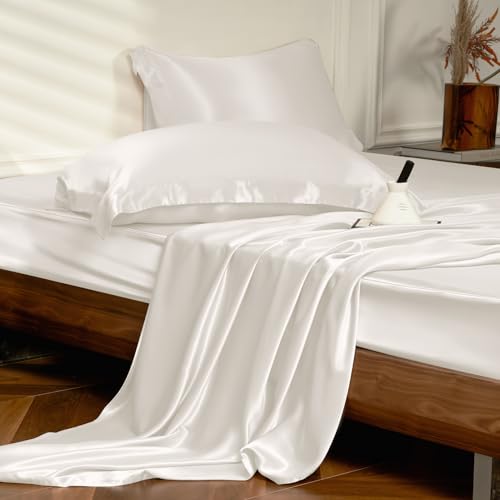
100% Pure Mulberry Silk 25 Momme - Compared to 19 Momme, 25 Momme silk has almost 30% more silk per square inch. That results in a more durable, longer lasting silk. Silk's natural properties help to keep skin moisturized and hair smooth
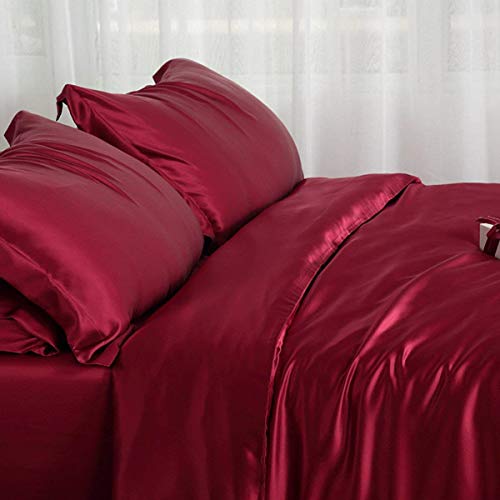
Fabric: 100% 22 Momme pure Mulberry silk. Thread Count: 600 .100% naturally hypoallergenic long-fiber silk, free of harmful chemicals and artificial colorants.
How to Wash Cotton

Cotton fabric is a versatile and widely-used material found in countless garments and household items. To effectively wash cotton, use a Normal Cycle with warm water (90°F – 110°F). Here’s a quick guide for ideal results:
- Pre-treat stains: This step helps maintain fabric integrity and appearance.
- Care labels matter: Always check them for specific instructions.
- Watch for shrinkage: Expect about 5% shrinkage in hot water, so avoid high temperatures when possible.
When drying, cotton items can be tumble dried on medium or low heat. Also, turning cotton garments inside out before washing reduces fading and wear on decorative elements. By adhering to these practices, the longevity and vibrancy of cotton items can be greatly enhanced. Non-slip bases are essential to prevent accidental slips and ensure safety when using furniture.
Recommended Products

ALL-IN-ONE WASHER + DRYER: AI Laundry Combo washes and dries clothes in one machine without transferring loads. Easy installation with a 120V standard outlet. No dryer vent exhaust system needed.

EXTERNAL SIZE: 5 x 5 x 3.5m /16.4 x 16.4 x 11.5 ft/ 196.8 x 196.8 x 138 inches(Length x Width x Height); Material: Durable oxford cloth; Fabric color: White; One door with two windows

How to Wash Silk

Silk is another beloved fabric that requires careful handling to maintain its luxurious look and feel. To wash silk properly, follow these washing instructions:
- Hand wash silk garments in cold water with a mild detergent, as this protects fabric integrity.
- For machine washing, select the delicate wash cycle using cold settings.
- Always place silk items in a laundry bag for extra protection against snags.
When cleaning, gently agitate the fabric and avoid vigorous scrubbing to prevent abrasion. Be sure to avoid bleach and fabric softeners, which can compromise silk’s softness and color. After washing, air dry silk items away from direct sunlight to prevent fading and distortions. Following these simple steps guarantees that silk remains vibrant and beautiful for years to come. Additionally, for those who travel with pets, consider using machine washable materials in pet carrier backpacks for easy cleaning and maintenance.
Recommended Products

These durable and long lasting laundry bags made of 12oz heavy canvas are quite easy to carry. They have web shoulder straps which are self-fabric handles.
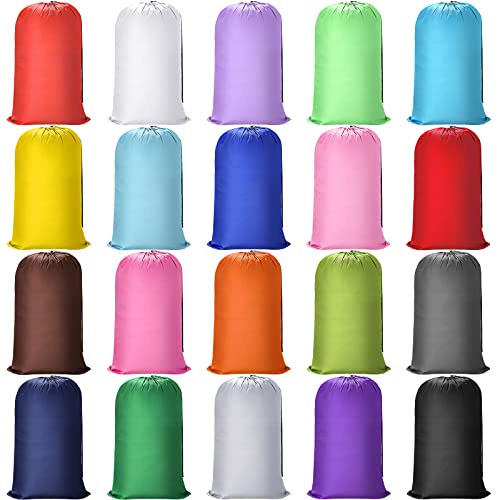
20 Different Colors: the package contains 20 pieces of drawstring laundry bags in different colors, including red, orange, yellow, green, purple and blue, etc., sufficient quantity and diverse colors to meet your various needs

COLOR-CODED SORTING SYSTEM – 12 mixed colors so everyone in the family or dorm gets their own. No more guessing which bag belongs to who. Perfect for separating lights from darks, or keeping each person's laundry separate.
How to Wash Polyester
Polyester, a popular synthetic fabric, is cherished for its durability and resistance to wrinkles. Washing polyester requires attention to a few key details. It is best washed in warm water, ideally between 90°F to 110°F (30°C to 40°C), to help preserve its color and reduce wrinkling. Always check care labels for specific washing instructions. Use a mild detergent designed for synthetic fabrics to protect the fibers. Avoid bleach and fabric softeners, as these can damage polyester. After washing, polyester can be tumbled dried on low heat, but air drying is recommended to prevent shrinkage. Following these simple steps will help maintain the quality and longevity of this versatile fabric type. An elevated design promotes airflow, which is beneficial for keeping fabrics dry and reducing moisture buildup.
Recommended Products

【GOOD HOUSEKEEPING BEDDING AWARDS 2026 WINNER】 PROMEED 100% PURE MULBERRY SILK sheets were recognized in this award program. Praised by sleep testers for exceptional smoothness and receiving high marks for moisture-wicking performance, the set offers a versatile range of sizes and configurations to suit different needs.

NOA DESIGN: Softly striped and quietly modern, the Noa Modern Striped Washable Rug brings its warm, blended hues to life with a gentle, painterly elegance. Multicolor bands in soft shades of pink—ranging from rose to clay to blush—drift across a calm neutral base, creating a look that feels relaxed, modern, and beautifully understated. Crafted from durable synthetics, its flat pile offers a smooth, refined feel underfoot, resists everyday wear, and slips easily beneath the sweep of a door for seamless placement. Fully washable, Noa refreshes effortlessly after life’s little mishaps, preserving its warm, contemporary charm day after day.
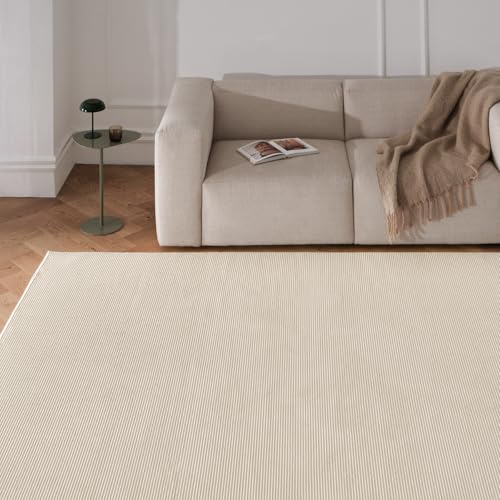
WASHING GUIDE: For 8' x 10' we recommend a 100lb (13.5cu ft) commercial washing machine. Please call your local laundromat ahead of time to determine if the right washer size is available. When it's time for a deeper clean, machine wash your rug with like colors on delicate with 1 TBSP of gentle detergent. Preferably line dry. Alternatively, tumble dry on no or low heat setting.
How to Wash Fleece
Fleece is a cozy fabric often used in jackets and blankets, cherished for its warmth and softness. To wash fleece effectively, follow these guidelines:
- Water Temperature: Use cold water (30°C to 40°C) to preserve softness and prevent shrinkage.
- Detergent: Opt for a gentle detergent to protect the fibers. Harsh ingredients can degrade fleece.
- Washing Method: Turn fleece garments inside out to minimize pilling and maintain their appearance.
- Avoid Certain Products: Do not use fabric softeners or bleach; these can damage fleece’s insulating properties.
- Drying: Tumble dry on low heat or air dry to prevent overheating, which can alter texture and elasticity.
For hypoallergenic options, consider using detergents free of dyes and fragrances to prevent irritation in sensitive users. Following these simple steps guarantees fleece remains soft and durable for years to come!
How to Wash Rayon
Rayon, a delicate fabric often favored for its luxurious feel and drape, requires special care when washing.
- Washing Instructions: Hand wash rayon items in cold water to prevent damage. If machine washing is necessary, check if the label allows it.
- Detergent Choice: Use a mild detergent free from harsh chemicals or bleach to maintain color and texture.
- Stain Treatment: Gently treat stains by rubbing them with your fingers, avoiding vigorous scrubbing that could damage the fibers.
- Drying Method: After washing, air dry rayon items flat or hang them, keeping them away from direct sunlight to prevent shrinking and fading.
Following these fabric care guidelines will help keep rayon looking beautiful and prolong its lifespan.
How to Wash Acrylic
Acrylic, celebrated for its softness and warmth, is gaining popularity as an affordable alternative to wool in many wardrobes. Proper care of acrylic fabric is essential to maintain its quality and lifespan. To wash acrylic items:
- Use cool water: This helps preserve the fabric’s integrity.
- Select a low-spin cycle: This reduces stress on the fibers.
- Avoid bleach and fabric softeners: These can weaken acrylic fibers.
After washing, consider drying:
- Tumble dry on low heat, ensuring the shape and texture are maintained.
- Separate acrylic from other fabrics: This prevents lint attraction, ensuring a cleaner wash.
Consider materials with safety certifications such as OEKO-TEX and CertiPUR-US to ensure the absence of harmful chemicals, as this is crucial for maintaining the integrity of the fabric.
How to Wash Nylon or Lycra
Nylon and Lycra are commonly used in activewear and swimwear due to their durability and elasticity. When washing these fabrics, it’s advisable to:
- Use cold water: This helps prevent damage and keeps the material’s shape intact.
- Choose a low-spin cycle: This gentle approach is ideal for delicate items, promoting fabric integrity.
- Hand wash if possible: This minimizes treatment that could harm the fibers.
- Avoid harsh chemicals: Steer clear of chlorine bleach and fabric softeners, which can weaken nylon and Lycra.
- Consider the importance of using washable covers for easy maintenance and to ensure hygiene.
After washing, garments should be tumble dried on low heat. This prevents shrinkage, maintaining the fit and comfort. Always wash your clothes separately from abrasive fabrics to avoid pilling and snagging. Keeping these guidelines in mind will guarantee your items last.
How to Wash Microfiber or Microsuede
Washing microfiber or microsuede requires a few careful steps to keep these versatile fabrics looking their best. The first step is to wash them separately in warm or cold water. This minimizes lint attraction from other fabrics. Use a mild detergent designed for synthetic fabrics. This helps maintain the softness and integrity of the material. Avoid bleach and fabric softeners, as these can degrade the fabric, reducing its effectiveness. After washing, choose to either tumble dry on low heat or air dry. Both methods help preserve the texture and prevent shrinkage. By following these guidelines, one can guarantee that microfiber and microsuede retain their cleaning power and look fresh for longer. Additionally, breathable materials optimize temperature regulation, which is crucial for maintaining the quality and durability of the fabric over time.
Frequently Asked Questions
How Do You Determine the Appropriate Washing Temperature for Different Fabrics?
To determine appropriate washing temperatures, one considers fabric care, temperature sensitivity, and shrinkage prevention. Choosing the right cycle optimizes detergent impact for stain removal and color preservation, contributing to fabric longevity and supporting eco-friendly practices.
Can You Wash Bedding at 60 if It Says 40?
Washing bedding labeled for 40°C at 60°C may enhance stain removal and hygiene but risks fabric shrinkage and color fading, potentially violating manufacturer guidelines. Adhering to recommended washing temperatures guarantees ideal fabric safety and care.
What Temperature Can You Wash All Clothes At?
For ideal laundry results, cold water maximizes benefits like energy savings and color fading prevention, while hot water raises shrinkage concerns. Understanding fabric care tips guarantees soil removal techniques thrive, enhancing washing machine settings for efficiency.
How to Wash Different Types of Fabrics?
To wash different types of fabrics, one should focus on cotton care, wool washing, and silk cleaning techniques, ensuring proper polyester settings, linen maintenance, and denim treatment for ideal texture and color preservation of delicate fabrics.


