


Weight distribution is essential for effective backpack carrying. The heaviest items should be packed close to the back for better balance, while lighter gear can be placed on the outer edges. Aim for 80% of the weight on the hips to ease shoulder strain. Organize gear by weight and utilize pockets for easy access. Regularly assess and adjust weight placement based on terrain changes. Exploring these principles will enhance overall comfort and stability during hikes. More insights await you.
Key Takeaways
- Position heavy items close to your back to optimize balance and center of gravity.
- Pack heavier gear in the middle, with lighter items toward the bottom and top.
- Distribute 80% of the weight to hips and 20% to shoulders for comfort.
- Use soft items as padding to reduce pressure points and enhance stability.
- Regularly adjust your pack fit and weight distribution based on terrain changes.
Importance of Weight Distribution
When hiking, guaranteeing proper weight distribution in a backpack is more than just a matter of comfort; it is essential for maintaining balance and overall hiking performance. Proper weight distribution optimizes how hikers manage their energy, impacting endurance on the trail.
Key considerations include:
- Center of Gravity: Storing the heaviest items close to the center guarantees better stabilization.
- Weight Limit: Keeping the backpack weight under 20% of total body weight helps avoid fatigue.
- Hips vs. Shoulders: A backpack should distribute approximately 80% of the weight to the hips and only 20% to the shoulders, minimizing strain.
Incorporating a 5-point harness system, as found in some hiking baby carriers, can also enhance security and stability, protecting the child and contributing to more balanced weight distribution. Neglecting these factors can lead to discomfort and even injury, affecting the enjoyment of outdoor adventures.
Packing Organization Strategies
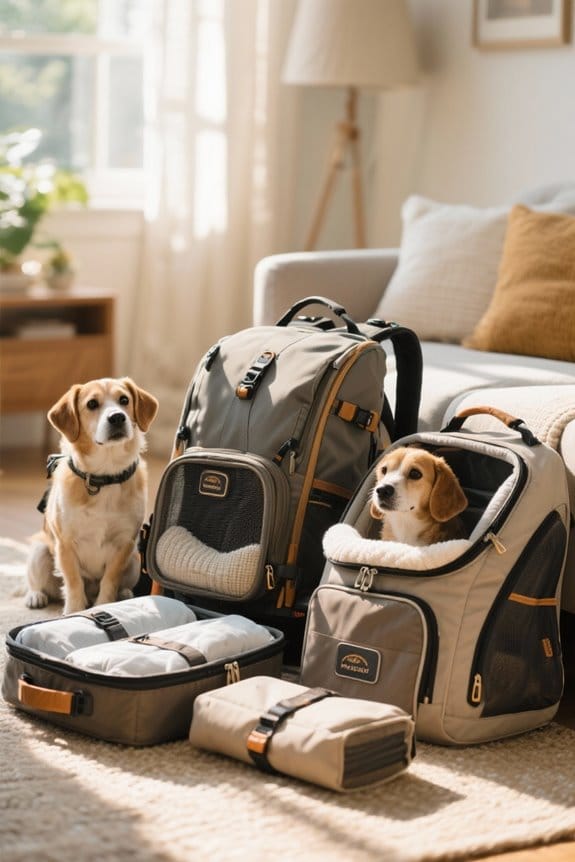
Packing a backpack effectively requires thoughtful organization and strategic planning. A well-packed backpack provides ideal comfort during hikes.
- Organize by Weight: Divide gear into heavy, medium, and light categories. Place heavy items close to your back and at hip height.
- Use Waterproof Solutions: Store items in waterproof bags to protect against the elements.
- Easy Access: Keep frequently used items, such as snacks and maps, in outer pockets.
- Fill Gaps: Prevent gear shifting by filling empty spaces with smaller items.
- Check Fit Regularly: Adjust and check the organization of your pack after breaks to maintain comfort.
- For travel with pets, expandable designs offer relaxation space, which is beneficial for both the pet and the packer during transit.
Using an external frame can also aid in weight distribution, making it easier to manage a solid packing strategy.
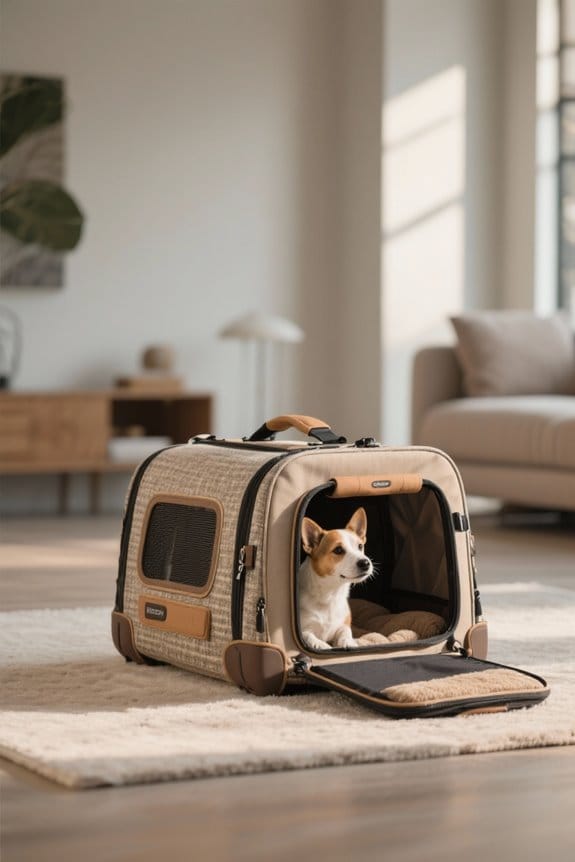
Adapting Travel Carriers for Different Climates
Recommended Products

EXTENDED SELF‑SUFFICIENCY HOME KIT – This Shelter In Place Kit is designed to provide 2+ weeks of sustained survival for you and your family, including food, water, power, and medical supplies. Perfect for emergencies where evacuation is unsafe, giving you peace of mind and complete home preparedness.
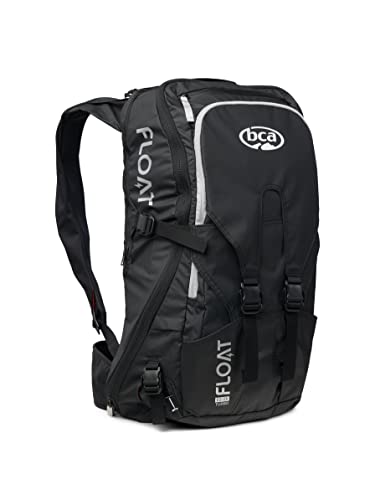
Avalanche Airbag Powered by the Alpride Supercapacitor Engine and 2 AA Batteries
Avalanche Airbag Powered by the Alpride Supercapacitor Engine and 2 AA Batteries
Techniques for Increasing Stability
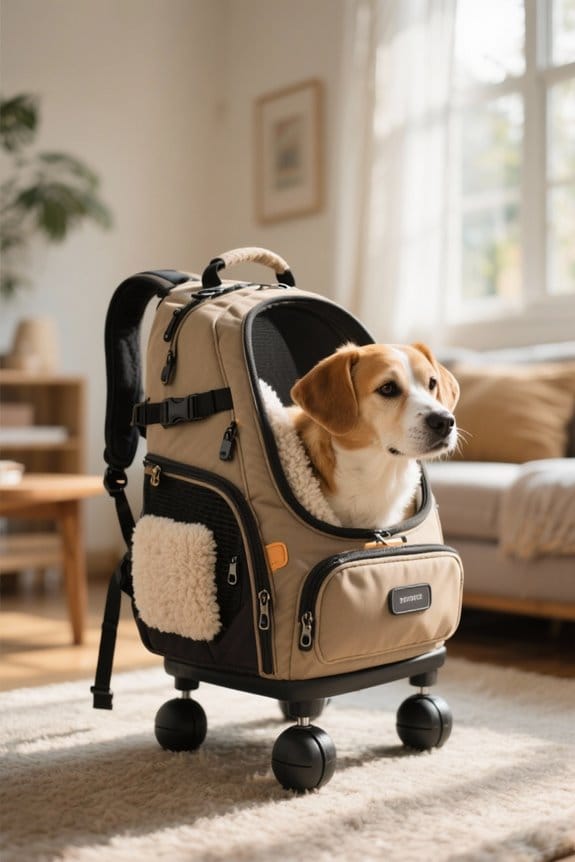

Calculating Under-Seat Airline Carrier Dimensions
Achieving stability in a backpack during hikes is essential for a safe and enjoyable journey. To enhance stability, careful weight distribution is key. Here are some effective techniques:
- Position Heavy Items: Place heavy items at the center of the backpack to improve balance and prevent leaning backward on uphill climbs.
- Use Medium-Weight Support: Surround heavy gear with medium-weight materials to create an even weight distribution, further enhancing stability.
- Prioritize Lower Areas: Pack lighter materials in lower areas to maintain a strong center of gravity and avoid top-heaviness.
- Adjust Regularly: As terrain changes, regularly adjusting weight placement keeps the backpack balanced.
Some dog carrier backpacks, like the PetAmi Adjustable Carrier, are designed with safety and comfort features, ensuring stability and ease for both the pet and the owner during outdoor activities.
These packing tips will help reduce strain and improve overall comfort during any hiking experience.
Recommended Products

[All-in-One Solar Backpack Power Station] - The all-in-one backpack power system includes a 512Wh power station, a 60L backpack and a 100W solar panel, enabling you to replenish this backpack power station from 0-80% in 4.1 hrs.

Open pocket| 2 zip pockets| 4 media pockets| 2 card pockets| Padded tablet pocket| Pen loops| Daisy chain loop system TUMI+ compatible (Sold separately, learn more below)| Key leash| TUMI Tracer

Includes full rain cover, which stows in a pocket on the bottom of the pack.
Balancing the Backpack
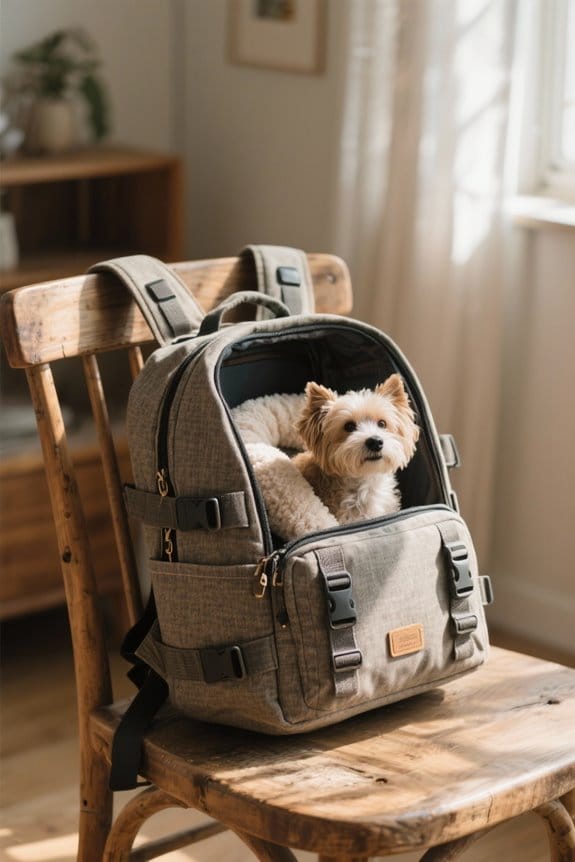
Balancing a backpack effectively depends on how well the contents are arranged within it. Proper weight distribution is essential for maintaining good posture. Here are some key points to take into account:
- Start by packing the sleeping bag at the bottom, optimizing the volume-to-weight ratio.
- Place heavier items in the middle for stability, avoiding top-heavy configurations.
- Divide contents into light, medium, and heavy zones to allow for dynamic weight placement.
Adjusting the shoulder straps and using the sternum strap helps maintain comfort and stability. This guarantees minimal side-to-side motion while walking. Utilizing soft items, like jackets, adds padding and enhances comfort. Remember, a well-balanced backpack can make all the difference in your hike! Consider the importance of breathable materials in your gear, which can promote ventilation and comfort during long travels.
Recommended Products

Durable Modular Design: Injection molded Monprene gel harness is constructed without velcro or zippers and resists UV, chemicals, and abrasion; BCD-4-Life ‒ most components can be replaced without stitching

Elegant and functional design. Piquadro backpack with a contemporary and refined look, designed for professionals and students seeking the right balance between style and practicality.

WHOLESALE BULK BACKPACKS : Available in convenient bulk pack sizes of 12, 24, 48, 60, 120, 240, 480, and 960 backpacks to fit schools, charities, events, and organizations of any size. Perfect for back-to-school drives, nonprofit donations, giveaways, disaster relief, classrooms, camps, and corporate events.
Personalizing Your Packing Approach
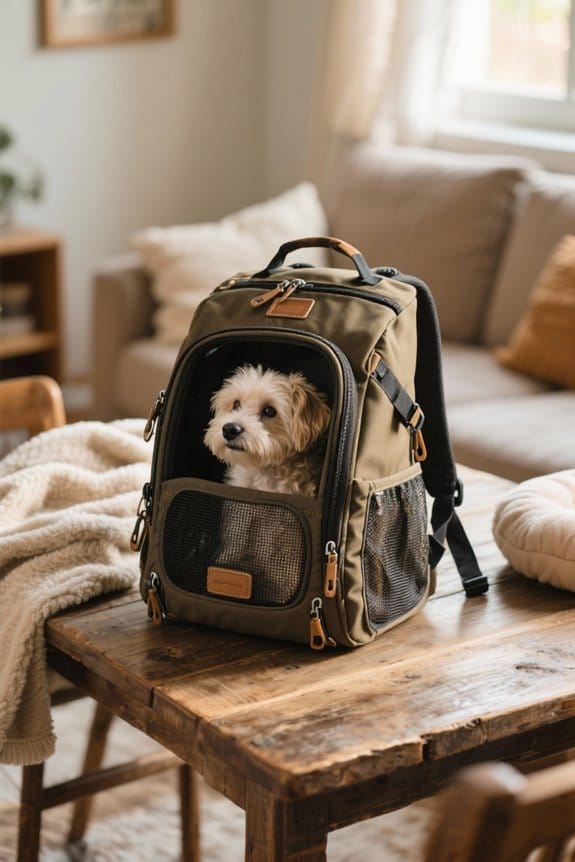
Personalizing a packing approach can greatly enhance the hiking experience. By experimenting with weight distribution methods, hikers can minimize shoulder and back strain while maximizing comfort. A successful strategy involves categorizing gear into three zones: heavy, medium, and light. Heavy items should be placed close to the back. Medium items can sit in the middle. Light items should go at the top or on the outside. Using a mix of flat and soft items adds cushioning, which helps mitigate pressure points. Regularly testing and adjusting this packing strategy in various terrains can reveal what configuration suits an individual’s body movement best. Ultimately, personalization leads to a more tailored fit, enhancing both comfort and the overall adventure. Proper fit for each dog bed model ensures comfort and stability similar to how personalized packing enhances hiking experiences.
Frequently Asked Questions
What Is the Best Weight Distribution for a Backpack?
Effective weight distribution for a backpack involves load balancing, with heavier items placed near the center of gravity. Proper pack organization and regular adjustment techniques greatly enhance comfort factors, reducing strain during extended hikes.
What Is the 20% Rule for Backpacking?
The 20% rule dictates that a backpack’s pack weight should not exceed 20% of an individual’s body weight. This guideline enhances hiking safety, ensuring carrying comfort and improving overall backpack efficiency during outdoor adventures.
How to Distribute Weight When Rucking?
To optimize load balancing during rucking, one-third to one-half of pack weight should be near the back. Effective packing techniques focus on gear positioning, utilizing weight variance for an efficient rucking strategy that minimizes fatigue.
What Is the Rule of Thumb for Backpack Weight?
The rule of thumb for backpack weight is to keep it under 20% of body weight. Effective carrying techniques and adhering to weight limits are essential for safety considerations and thorough trip preparation.


