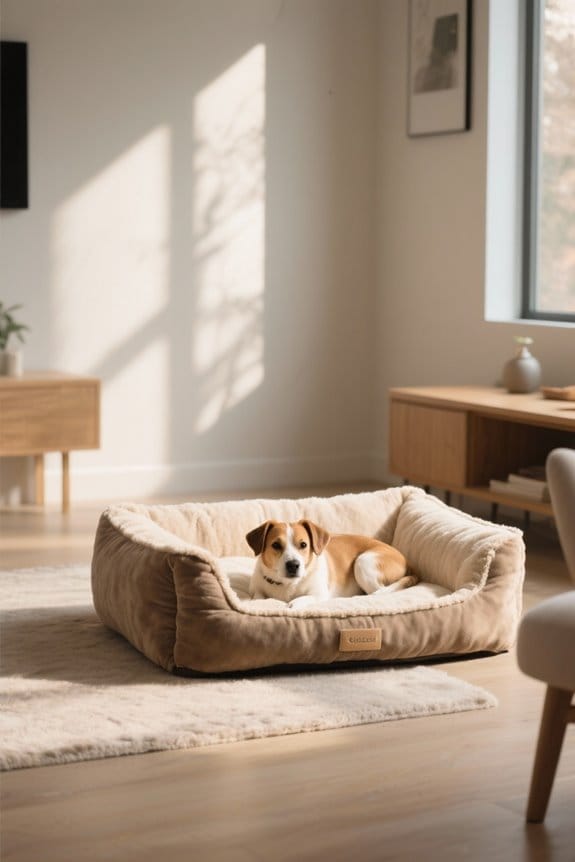
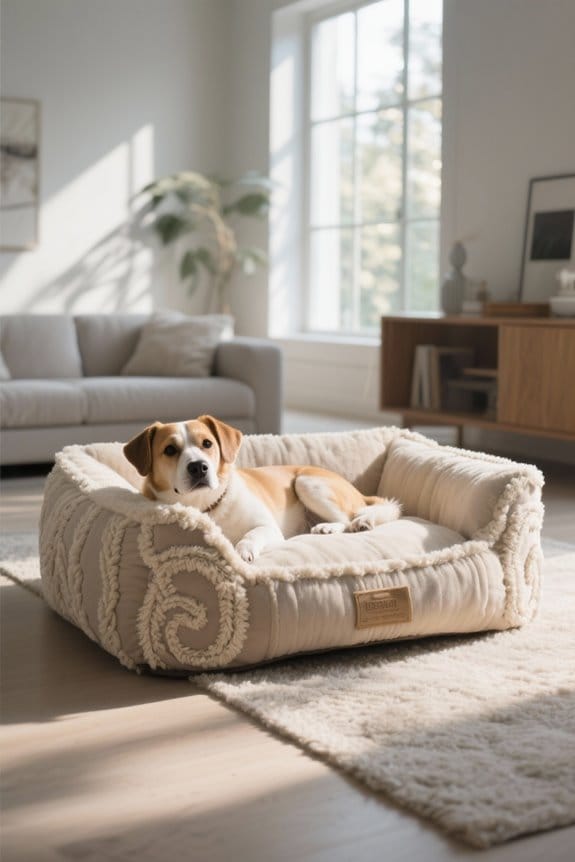
Dogs circle before settling into beds due to instinctual behavior inherited from their wolf ancestors. This circling helps them create a comfortable resting space and check for potential threats. Additionally, it serves as a way to mark their territory with scent. For senior dogs, circling can enhance comfort and signal age-related changes. Understanding this behavior can aid dog owners in managing their pets’ needs effectively. There’s more to explore about how this behavior impacts your dog’s well-being.
Key Takeaways
- Circling behavior originates from ancestral wolves, helping dogs create a safe resting spot and check for predators.
- It prepares the sleeping area, redistributing body weight to enhance comfort and relaxation.
- In multi-pet households, circling establishes territory and signals readiness to settle down.
- Senior dogs may circle more due to joint stiffness; supportive beds can alleviate discomfort.
- Providing a designated quiet space and comfortable bedding fosters a sense of security for resting.
A Glimpse Into the Wild: Instincts That Linger
When observing dogs circling before lying down, one might wonder why this behavior persists in households today. This action originates from their ancestors, primarily wolves. In the wild, dogs circle to create a safe and comfortable resting spot. Instinctual Roots: This ritual is ingrained in their instincts, linking them to survival tactics. Assessing Territory: Circling allows dogs to check for predators and establish their territory by marking it with scent. Even in cushioned beds, the behavior remains significant. It connects dogs to their evolutionary past, which is surprising but comforting. A cozy circular shape in dog beds enhances this instinctual behavior, providing a sense of security that mirrors their natural environment. This fascinating link between the past and present showcases how innate instincts influence modern dog behavior, even within their cozy living rooms.
The Comfort Factor: A Built-In Bed-Making Routine
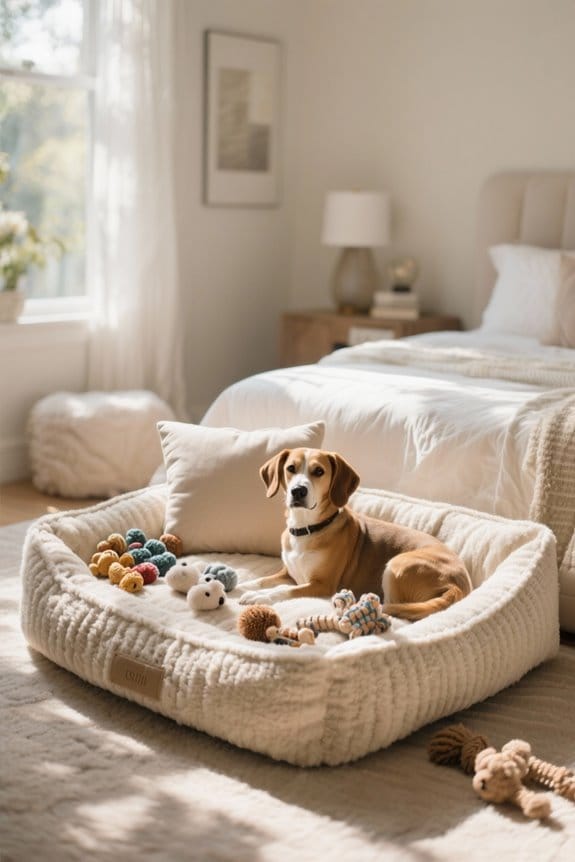
After exploring the wild instincts that shape modern dog behavior, it becomes evident that circling before settling down is not just a relic of the past; it serves a practical purpose.
- Comfort Creation: Dogs engage in circling to prepare their sleeping area. This action helps redistribute their body weight, promoting relaxation and easing muscle tension.
- Age Matters: Senior dogs particularly rely on this instinctual behavior. By circling, they can relieve discomfort often linked to aging, making it easier for them to settle down.
- Enhanced Sleep: This routine not only adjusts the sleeping surface but also improves overall sleep quality, allowing dogs to nest comfortably and feel secure.
- Incorporating features such as high-density foam in dog beds can further enhance comfort and support, aligning with their natural behaviors for optimal relaxation.
Ultimately, circling is a built-in bed-making routine that helps dogs find their ideal resting position, enhancing their comfort and sleep.
Recommended Products

MADE WITH: CertiPUR-US certified orthopedic memory foam for dogs of all sizes! Finally, a dog bed that you can trust and will last for years: the foam has gone through a rigorous process to ensure that it is made without heavy metals like mercury, toxic chemicals like formaldehyde and phthalates

Clinically proven benefits: In a University of Pennsylvania School of Veterinary Medicine study, large dogs showed reduced joint pain and improved mobility after sleeping on a Barker Beds orthopedic bed.

Clinically proven benefits: In a University of Pennsylvania School of Veterinary Medicine study, large dogs showed reduced joint pain and improved mobility after sleeping on a Big Barker orthopedic dog bed.
Circling as a Communication Cue

Circling before settling down serves as a significant communication cue among dogs. This behavior signals their readiness to settle and indicates to other pets that they are preparing for sleep. In multi-pet households, circling acts as a way for dogs to establish their territory, claiming a specific area to rest. Owners should observe this circling behavior to assess their dog’s comfort level. Recognizing the signs may reveal if a dog is anxious or needs reassurance before bedtime. Evaluating individual dogs’ needs can help owners choose the right bedding, enhancing comfort and support during sleep. Understanding these communication cues can enhance the bond between dogs and their owners. By acknowledging and responding to their circling, owners can foster a peaceful sleeping environment, making bedtime more enjoyable for everyone involved.
Recommended Products

Premium Quality Design: Extra thick seven inch orthopedic foam provides superior joint support; Headrest feature offers additional comfort for your large dog; Soft microsuede cover feels luxurious while standing up to daily use by big dogs

SEMI-ENCLOSED DESIGN: create a private atmosphere, enhance comfort and security.
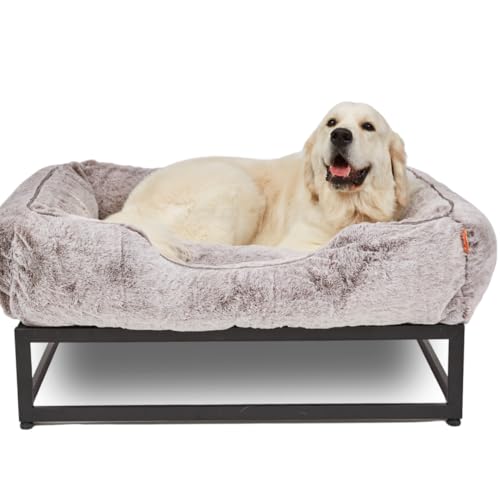
Designed in the USA: The FUZI elevated dog bed features a patented modular dog bed design with a durable metal platform base for long-term comfort and support. Simple assembly required. This raised dog bed keeps dogs elevated off the floor while blending modern style, orthopedic comfort, and functionality for dogs of all sizes.
Senior Pets and the Circling Connection
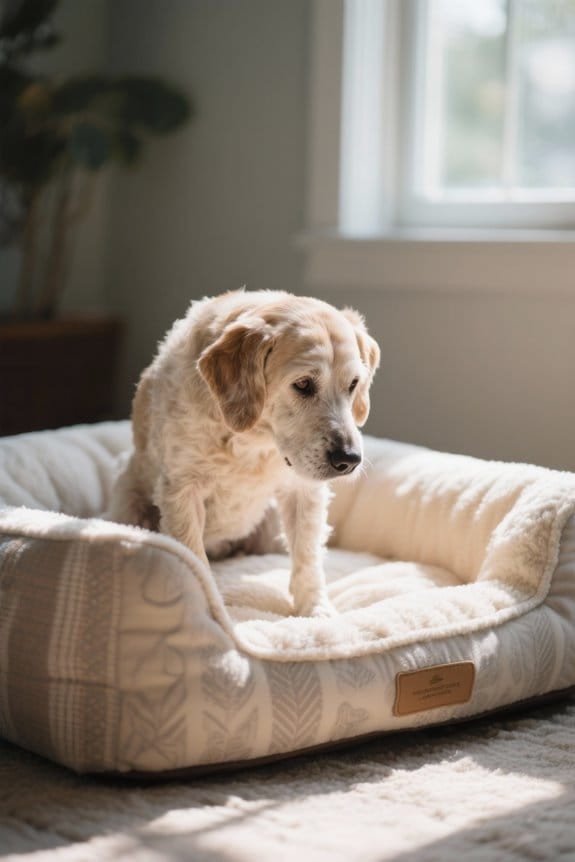
As dogs age, their circling behavior can evolve, reflecting changes in their physical and mental states. Senior dogs may circle more frequently, which can indicate a need for comfort rather than merely instinct. This behavior often emerges due to joint stiffness or discomfort associated with conditions like arthritis. Providing a supportive bed can help ease joint pain, enhancing their comfort. Additionally, many senior dog beds feature orthopedic support to offer relief and improve sleep quality. Recognizing circling behavior can assist in identifying the need for potential pain management strategies. Understanding these patterns in senior dogs’ circling behavior is essential. It can lead to improved care, ultimately enhancing their quality of life. After all, a little extra comfort can go a long way for our older furry friends.
When Circling Signals Trouble
When a dog starts circling excessively before lying down, it may signal deeper issues lurking beneath the surface. This circling behavior can indicate underlying health complications, particularly in older dogs. If a dog seems uncomfortable—whining or struggling to get up—these signs warrant a veterinary assessment. Monitoring changes in a dog’s circling patterns is vital. Variations may reflect both physical and emotional well-being. Factors to reflect upon include:
- Orthopedic or neurological disorders
- Age-related discomfort
- Anxiety or stress
For older dogs, extra care is necessary. Regular wellness checks and supportive bedding can help. Always assess the environment to minimize emotional triggers and guarantee comfort. Recognizing these signals can enhance a dog’s quality of life.
Recommended Products

Medium firm Mattress for Every Sleep Style: Experience unparalleled comfort and support with our expertly crafted all-foam mattress, offering a medium firm feel. Our cooling gel-infused memory foam ensures a restful night's sleep, no matter your preferred sleep position.

Durable Memory Foam Construction: Made with high-density memory foam for comfort and support.

Non-toxic: Our heavy duty dog kennels Made out of STEEL and having all parts welded which means our heavy duty dog cage can prevent even the most aggressive canines from escaping. Sturdy metal frame provides optimal ventilation and visibility which offer your dog a comfortable and reliable environment. It perfect for indoor and outdoor use.Safe and non-hazardous dog cages protect your pet's health, so you don't have to worry when it chews and licks.
Helping Your Dog Settle Comfortably
Dogs frequently engage in circling before finding their perfect spot to sleep, a natural behavior rooted in their instincts. To help them settle comfortably, consider the following recommendations:
- Comfortable Sleeping Area: Create a designated space that is quiet and free from distractions. This will enhance their circling routine and promote relaxation.
- Orthopedic Beds: Providing orthopedic or memory foam beds can greatly reduce joint pressure, especially for senior dogs.
- Regular Exercise: Tailor physical activity to your dog’s age and mobility. This helps ease tension and promotes better sleep quality.
- Nail Maintenance: Keeping nails trimmed enhances comfort during their circling routine, allowing for easier settling.
- Consider high-density foam beds: High-density foam is essential for joint support, particularly for older dogs, ensuring they have a comfortable and supportive resting place.
Recommended Products

Ultimate Comfort Design: Premium orthopedic dog bed large sized for big dogs; Seven inch thick memory foam provides therapeutic support for joints; Microsuede cover feels soft against fur; Perfect for senior dogs or pets needing extra cushioning

DESIGNED FOR LARGE DOGS: 7" of premium memory foam engineered to contour to your pet's body and not flatten. Supports large dogs up to 300 lbs.

DESIGNED FOR LARGE DOGS: 7" of premium memory foam that supports large dogs up to 300 lbs. Dogs sleep 16-20 hours per day - don't let them do that on just any bed. Invest in comfort, quality and longevity.
Embracing the Ritual With Understanding
Understanding a dog’s circling behavior adds an important layer to tailoring their sleep environment. This instinctual behavior, rooted in their ancestry, allows dogs to create a safe and comfortable sleeping area. – Territory Marking: As they circle, dogs leave their scent, establishing ownership of their space. – Optimal Positioning: This ritual helps them find the best sleeping position, redistributing body weight for muscle relaxation. – Temperature Regulation: Circling creates a small nest effect, aiding in controlling body temperature during nights. Additionally, the use of orthopedic dog beds with high-density foam can further enhance comfort by providing joint support, crucial for pets’ rest and relaxation.
Creating a Comfortable Sleep Haven at Home
Creating a comfortable sleep haven at home requires thoughtful consideration of a dog’s needs, especially since they thrive in secure environments. Pet owners should focus on several key elements:
- Orthopedic or Memory Foam Beds: These beds reduce joint pressure, enhancing comfort for older pets.
- Designated Quiet Corners: Creating areas free from distractions promotes restful sleep as dogs feel more secure while settling in.
- Washable Blankets: Not only do these enhance hygiene, but they also provide warmth and comfort.
- Consistent Bedtime Routine: Establishing a regular sleep schedule gives dogs a sense of security, making their sleep space feel inviting.
- Non-toxic materials in pet beds ensure safety and health, providing peace of mind for pet owners.
Recommended Products

Premium Quality Design: Extra thick seven inch orthopedic foam provides superior joint support; Headrest feature offers additional comfort for your large dog; Soft microsuede cover feels luxurious while standing up to daily use by big dogs
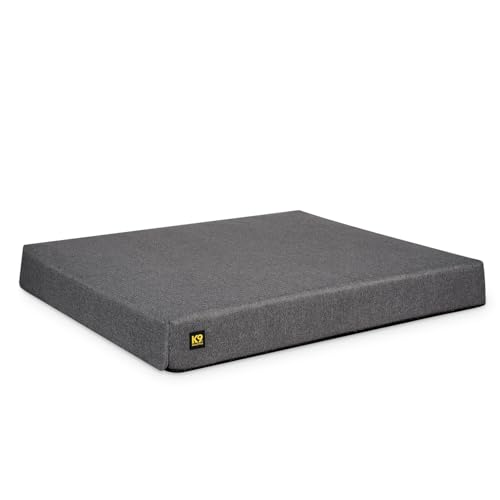
Durable Ripstop Ballistic Cover: The heavy-duty cover withstands scratching, digging, and occasional mouthing or light chewing. Great for dogs that like to get a little rough with their beds! Please note that this is not a chew proof bed and it is not recommended for dogs that chew heavily or constantly on their bedding.

Cooling comfort for large dogs: Ice silk cooling surface helps regulate body temperature and prevent overheating. Ideal for big dogs that run hot, warm climates, and summer months without using gels or electricity.
Frequently Asked Questions
Why Do Dogs Do a Circle Before They Lay Down?
Dogs exhibit circling behavior before lying down as an instinctual action rooted in ancestral traits. This bed preparation guarantees comfort, seeks to mark territory, and eliminates potential threats, creating a secure resting environment.
Why Does a Dog Circle It’s Bed Before Lying Down?
Like a meticulous artist preparing a canvas, a dog circles its bed to fulfill nesting instinct and ancestral habits, ensuring comfort preferences, marking territory, and preparing the environment for restful sleep. This behavior is instinctual and practical.
Why Do Dogs Go Round and Round Before They Poop?
Dogs exhibit instinctive actions, circling before they poop due to ancestral traits. This behavior serves to prepare the ground, mark territory, and enhance bathroom routines, showcasing an innate connection to their wild predecessors and survival instincts.