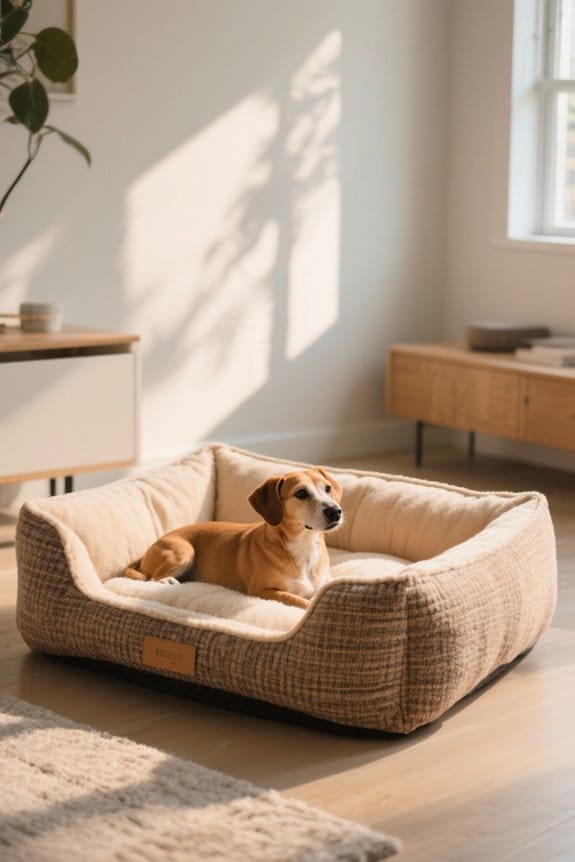
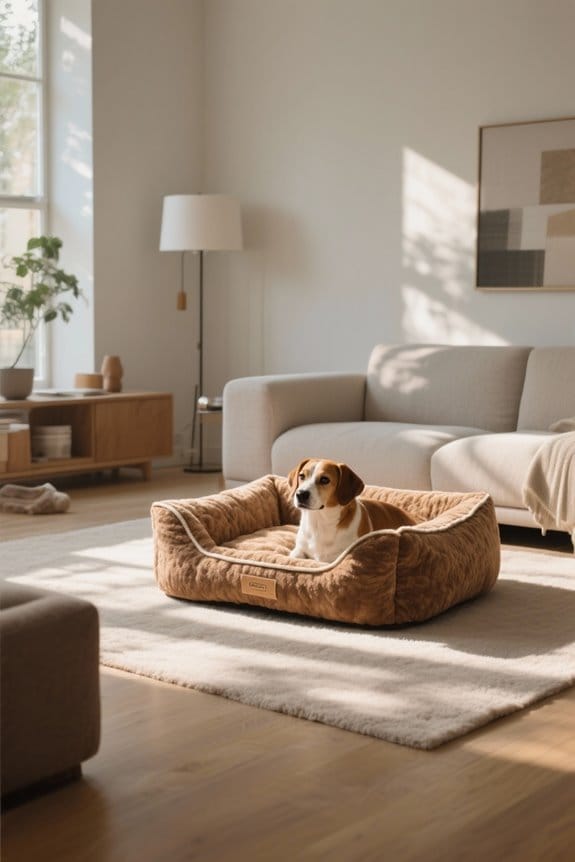
Space requirements for pet comfort during sleep vary by size and breed. Small dogs need about 24-30 inches, while medium dogs require 30-36 inches. Large breeds benefit from 36-48 inches, and extra-large dogs should have 48-60 inches. This allows them to stretch comfortably and feel secure. Proper bedding enhances sleep quality, supporting joints and regulating temperature. Maintaining a clean sleeping area is essential for overall health. Discover more about creating the perfect sleep environment for your pet.
Key Takeaways
- Small dogs need beds that are 24 to 30 inches long for comfortable sleep and movement.
- Medium-sized dogs require sleeping areas that are 30 to 36 inches long to accommodate their size.
- Large dogs benefit from spaces measuring 36 to 48 inches long to stretch and relax adequately.
- Extra-large dogs should have sleeping spaces that are at least 48 to 60 inches long for optimal comfort.
- Providing wider beds promotes better stretching and improves sleep quality for all dog sizes.
Understanding Your Pet’s Sleep Needs
When considering pet comfort, it is essential to recognize that every pet has unique sleep requirements. Dogs need a sleeping space that allows them to stretch comfortably, with appropriate bedding tailored to their age and breed. For example, senior dogs may benefit from orthopedic beds to support their joints. Cats, on the other hand, sleep 13-16 hours daily and prefer quiet, private areas to feel secure. Pet owners should remember: Individual preferences matter; provide separate sleeping spaces in multi-pet households to reduce stress and anxiety. Temperature control is vital, as pets often favor cooler environments for quality sleep. Establishing a consistent bedtime routine can enhance overall well-being, making everyone more comfortable and less grumpy—yes, even pets! A raised rim can provide head support and a sense of security, enhancing a pet’s comfort.
Ideal Sleeping Space for Different Dog Sizes
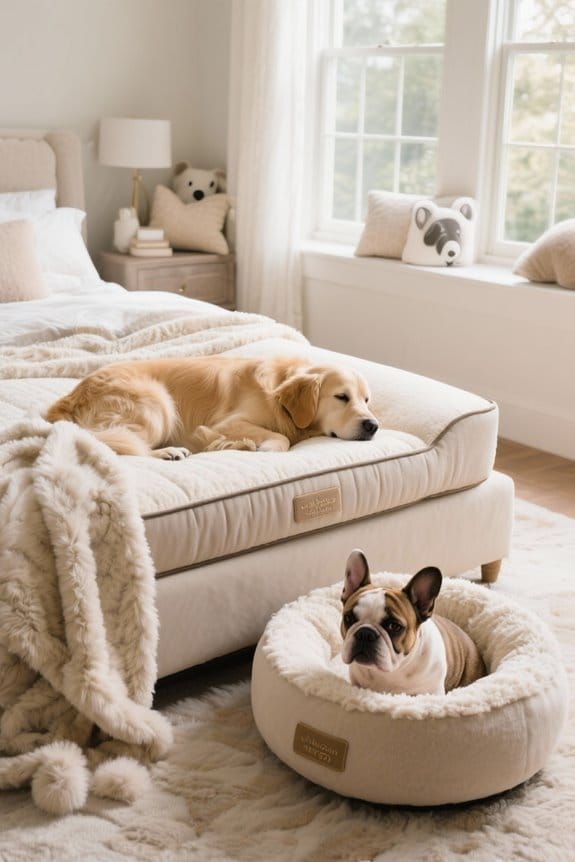
Creating an ideal sleeping space for dogs of varying sizes is essential for their overall comfort and health. Proper sleeping areas enhance sleep quality and prevent joint strain.
- Small Dogs (under 20 pounds): Require spaces of 24 to 30 inches long for comfortable sleeping.
- Medium-Sized Dogs (20 to 50 pounds): Need 30 to 36 inches long to provide comfort and mobility.
- Large Dogs (50 to 90 pounds): Benefit from 36 to 48 inches long for a restful experience.
- Extra-Large Dogs (over 90 pounds): Should have sleeping areas at least 48 to 60 inches long to avoid feeling cramped.
Wider beds allow dogs to stretch and shift positions, promoting better sleep. High-density foam commonly used in orthopedic dog beds can further enhance comfort and support for a happy, well-rested pooch! Choosing the right size is essential for a happy, well-rested pooch!
Recommended Products
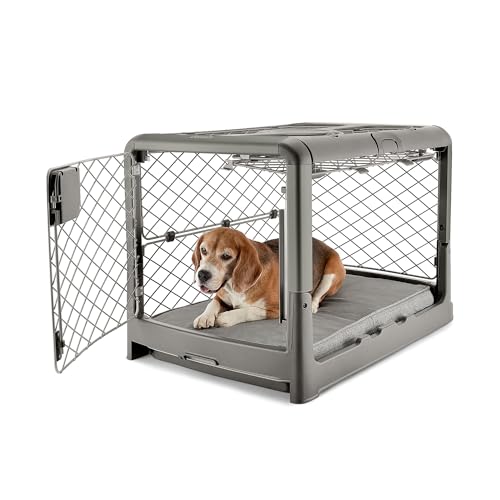
AWARD-WINNING PREMIUM CRATE: Revol is our ultimate collapsible dog crate offering superior design with uncompromising safety and functionality. Built to baby industry safety standards with premium materials, Revol transforms from functional training tool to stylish home furniture that actually enhances your decor.

Clinically proven benefits: In a University of Pennsylvania School of Veterinary Medicine study, large dogs showed reduced joint pain and improved mobility after sleeping on a Big Barker orthopedic dog bed.

MADE WITH: CertiPUR-US certified orthopedic memory foam for dogs of all sizes! Finally, a dog bed that you can trust and will last for years: the foam has gone through a rigorous process to ensure that it is made without heavy metals like mercury, toxic chemicals like formaldehyde and phthalates
Importance of Bedding for Comfort

Bedding plays an important role in a pet’s comfort and overall well-being. High-quality bedding can support joints, especially for aging dogs, enhancing sleep quality. The ideal bed size allows pets to stretch while providing security, reducing anxiety during sleep. Soft, cushioned bedding promotes relaxation, leading to deeper sleep and fewer disturbances. Furthermore, proper bedding materials can regulate temperature, keeping pets comfortable in varying weather conditions. Regular maintenance is critical; washing bedding with hypoallergenic detergents guarantees a clean and healthy sleeping area. Durable fabrics and waterproof bases in many cottage dog beds ensure easy maintenance and longevity. In essence, choosing the right bedding is crucial for maintaining a pet’s comfort and health, as it directly impacts their sleep quality. A well-chosen bed not only supports but also boosts overall pet happiness.
Recommended Products

Dog-Friendly Modular Seat: Our boneless cloud couch includes a fully detachable dog seat module with a waterproof inner liner to help keep pet stains away from the main sofa. It attaches to the couch as a dedicated spot for your furry friends, or works as a standalone dog bed on the floor.

Clinically proven benefits: In a University of Pennsylvania School of Veterinary Medicine study, large dogs showed reduced joint pain and improved mobility after sleeping on a Big Barke

Clinically proven benefits: In a University of Pennsylvania School of Veterinary Medicine study, large dogs showed reduced joint pain and improved mobility after sleeping on a Big Barker orthopedic dog bed.
Creating a Calm Sleeping Environment

How can a calm sleeping environment enhance a pet’s rest and recovery? A well-designed sleeping environment is essential for achieving ideal sleep quality.
Key elements include:
- Spacious Bed: A bed that allows pets to stretch comfortably contributes to a sense of security.
- Calm Atmosphere: Reducing sleep disruptors like noise and light creates a peaceful space.
- Temperature Control: Maintain comfortable temperatures without drafts to support restful sleep.
- Cleanliness: Regular cleaning not only enhances comfort but promotes overall health.
- Consideration of Size and Age: Tailoring the sleeping area to fit your pet’s specific needs guarantees they can access their space easily.
- Quality Materials: Using high-density foam and plush fabrics can provide comfort and support for pets, helping alleviate potential joint pain.
Recommended Products
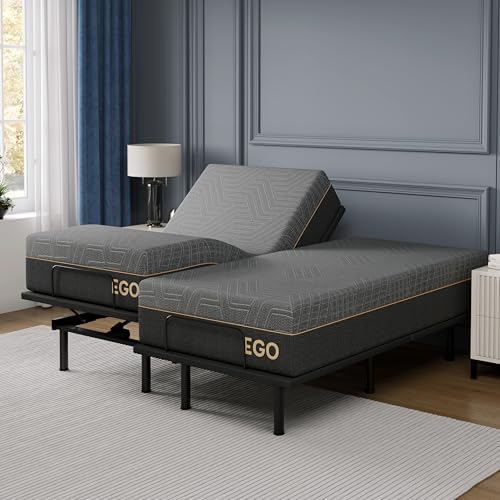
Universal Compatibility with Mattresses: Adjustable bed frame fits seamlessly with all mattress types (8"-14" thickness for memory foam, latex, hybrid).This is a combination with a medium-firm gel-infused mattress, which features graphene-infused cover that stay cooler than other fabric

FLEXIBLE MODULAR COUCH — This sectional couch boasts 6/7/8 generous seats, offering ample space for family and guests. You can freely create a U-shape, L-shape, or even a sofa bed to perfectly fit your living room space.

PLUSH MATTRESS: Rest easy. This California king mattress has all the essentials for a superior night of sleep at an affordable price
Observing Your Pet’s Sleeping Behavior

Observing a pet’s sleeping behavior can provide valuable insights into their overall well-being. Notable sleeping positions indicate comfort levels; curling up suggests a need for security, while stretching out signals relaxation.
- Monitoring changes in sleep patterns, such as increased restlessness, can highlight potential health issues.
- Larger dogs often require more space to avoid discomfort, emphasizing the importance of understanding their space requirements.
Environmental influences, like light and noise, can disrupt peaceful sleep and should be addressed. Additionally, observational factors like a preference for quiet sleeping areas greatly impact a pet’s comfort. Selecting a bed with self-warming capabilities can promote deeper, restorative sleep for senior pets.
Transitioning to New Sleeping Arrangements
Changing pets to new sleeping arrangements can be a delicate process, especially since many animals thrive on routine and familiarity. To ease the adjustment, create a comfortable sleep environment by introducing familiar items, such as blankets or toys, to the new space. This helps pets associate the area with comfort. Establish consistent bedtime routines, incorporating calming activities like quiet playtime or gentle petting. Monitor reactions closely; if signs of stress arise, consider adjusting the setup or returning to previous arrangements temporarily. For multi-pet households, designated sleeping spaces are essential. This strategy helps prevent conflicts and allows each pet to maintain comfort in their own area. With patience and care, pets can adapt successfully to their new sleeping arrangements. Consider selecting orthopedic designs for dog beds to relieve joint pain and provide additional comfort for aging or arthritic pets.
Recommended Products

Durable Memory Foam Construction: Made with high-density memory foam for comfort and support.

Clinically proven benefits: In a University of Pennsylvania School of Veterinary Medicine study, large dogs showed reduced joint pain and improved mobility after sleeping on a Big Barker orthopedic dog bed.

Premium Quality Design: Extra thick seven inch orthopedic foam provides superior joint support; Headrest feature offers additional comfort for your large dog; Soft microsuede cover feels luxurious while standing up to daily use by big dogs
Maintaining Hygiene in Shared Sleeping Spaces
Maintaining hygiene in shared sleeping spaces is essential for both pets and their owners. To create a healthy environment, it is important to regularly wash bedding in hot water. This practice removes allergens and bacteria effectively. Establish a grooming schedule to minimize shedding and dander, reducing potential allergens. Use hypoallergenic detergents for laundry, which decrease risks associated with pet dander. Consider adding air purifiers to improve air quality and eliminate airborne particles. Designating separate bedding for pets can enhance cleanliness while still allowing for closeness. This balance maintains a hygienic atmosphere without sacrificing comfort, making shared sleep spaces more pleasant for everyone. Machine washable covers on pet beds simplify maintenance and contribute to a cleaner environment. After all, a clean pet is a happy pet—and a happy pet means happier humans!
Recommended Products

Spacious & Comfortable Seating: This oversized couch features 11.8'' upholstered 2-layer seat cushions with high-resiliency foam,thick removable armrests, and a 26.5" deep seat, which provides a cloudy seating experience

✅ [60-Second Quick-Change Bedding] – Our zipper duvet cover and luxury bedding sets boasts a 3-sided opening and secure snap corners which makes it easy to add or remove the insert for quick washes and enhanced sleep comfort all night long.

100% Natural Sheepskin Carpet: Made from high quality New Zealand sheepskin wool, this rug is incredibly soft and fluffy, with a dense wool pile. The bottom layer is crafted from suede and has a sponge filling, which adds to its softness and enhances its luxurious feel.
Frequently Asked Questions
How Much Space Does a Dog Need to Sleep?
A dog needs sufficient space to accommodate its sleeping habits, size, and breeds. Ideally, beds should allow for comfortable sleeping positions and personal space, supporting healthy sleep cycles and enhancing overall comfort levels in their sleep environment.
How Long Does 1 Hour Feel to a Dog?
To dogs, one hour feels roughly akin to fifteen minutes due to differing dog time perception. Their sleep cycles, routines, and emotional comfort zones heavily influence their sense of time, impacted further by age and health factors.
Should Dogs Sleep in the Same Room as the Owner?
Sharing a room with dogs fosters companionship, enhances owner bonding, and mitigates canine anxiety, resulting in improved sleep quality. This arrangement promotes nighttime security while stabilizing temperature, and aids in addressing insomnia with crate training techniques.
Where Should Pets Sleep at Night?
Pets should sleep in designated pet beds or cozy corners, considering their sleeping habits, personal space, and safety concerns. Temperature control and noise levels enhance their night routine, while companionship benefits can ease the shift for pets.